BioWorld. Link to homepage.

Clarivate
  • BioWorld
  • BioWorld Science
  • BioWorld Asia
  • Data Snapshots
    • Biopharma
    • Medical technology
    • Infographics: Dynamic digital data analysis
    • Index insights
    • NME Digest
  • Special reports
    • Infographics: Dynamic digital data analysis
    • Trump administration impacts
    • Med-tech outlook 2026
    • Under threat: mRNA vaccine research
    • BioWorld at 35
    • Biopharma M&A scorecard
    • Bioworld 2025 review
    • BioWorld MedTech 2025 review
    • BioWorld Science 2025 review
    • Women's health
    • China's GLP-1 landscape
    • PFA re-energizes afib market
    • China CAR T
    • Alzheimer's disease
    • Coronavirus
    • More reports can be found here

BioWorld. Link to homepage.

  • Sign In
  • Sign Out
  • My Account
Subscribe
BioWorld - Thursday, March 5, 2026
Home » Topics » Science

Science
Science RSS Feed RSS

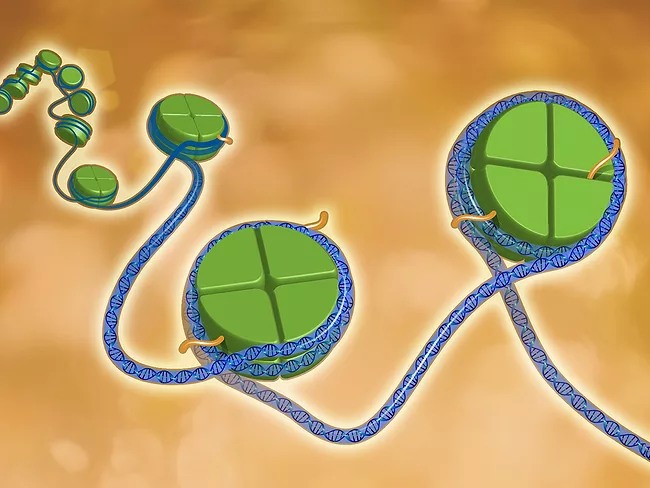
Epigenetics concept art.
Drug Design, Drug Delivery & Technologies

Zinc finger approach mutes the epigenome to reduce cholesterol

Feb. 29, 2024
By Mar de Miguel
An Italian group of researchers has used zinc finger editing to silence the PCSK9 gene and improve blood cholesterol levels in mice by applying a single dose of their modifier. The epigenetic-based method could be an alternative to genome editing.
Read More
Brush scrubbing brain figurine with soap
Neurology/Psychiatric

Studies bring insights into brain’s self-cleaning mechanisms

Feb. 28, 2024
By Anette Breindl
Separate teams of investigators have reported new insights into how the brain disposes of metabolic waste via the glia-based lymphatic system, or glymph system. In two papers published in Nature on Feb. 28, 2024, scientists from Washington University in St. Louis described how in sleeping animals, the synchronized activity of neurons drove ionic gradients that facilitated the movement of fluid through brain tissue. And researchers from the Massachusetts Institute of Technology showed that, in a mouse model of Alzheimer’s disease (AD), the glymphatic system mediated clearance of amyloid-β after sensory stimulation at a 40-Hertz rhythm.
Read More
AI generated illustration of a brain on fire
Immune

Finding the good in autoantibodies could REAP broad benefits

Feb. 20, 2024
By Anette Breindl
Autoantibodies call to mind disease – autoimmune disease, to be exact. But the physiological roles of autoantibodies are, at the very least, more complex than this view accounts for. “The autoantibody reactome is extraordinary,” Aaron Ring told BioWorld. “Nearly everyone has autoantibodies, whether they know it or not.”
Read More
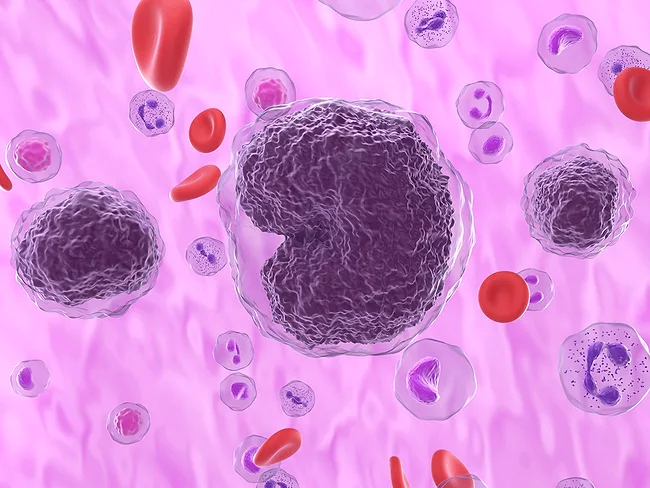
Non-Hodgkin lymphoma cells in the blood flow

Enzyme degrader could avoid drug resistance in B-cell cancers

Feb. 9, 2024
By Mar de Miguel
Bruton tyrosine kinase (BTK) enzyme inhibitors used to treat B-cell cancers, including chronic lymphocytic leukemia and non-Hodgkin lymphoma, also produce resistance by causing mutations in the protein. Now, a study on the BTK degrader NX-2127 showed the compound could be effective in eliminating BTK regardless of its mutations.
Read More
13-lined-ground-squirrel.jpg

Through comparative genomics, becoming tough as nails – or squirrels

Jan. 30, 2024
By Anette Breindl
Humans love to think of our species as unique. But on a genetic level, such uniqueness is surprisingly hard to find. And while that may be a blow to the ego, it also means that an evolutionary lens is one way to search for insights into human diseases. Animals are “adapted to use the same genes that you and I have, but in very different ways,” Ashley Zehnder told BioWorld. Zehnder is co-founder and CEO of Fauna Bio Inc., which uses comparative genomics to identify gene networks that underlie disease resistance in different animal species.
Read More
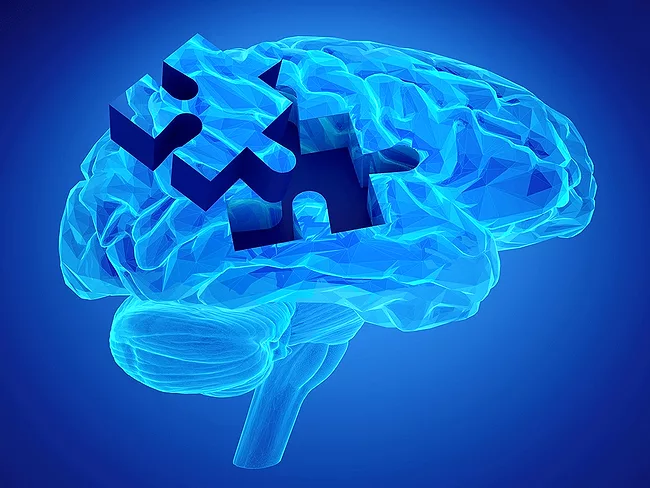
Brain with puzzle piece removed

Ultrarare transmitted Alzheimer’s cases give clues to common forms

Jan. 29, 2024
By Anette Breindl
Investigators have identified five cases of so-called iatrogenic Alzheimer’s disease (AD), that is, AD that was acquired as a result of undergoing medical procedures. A team led by University College London scientists reported their findings online in Nature Medicine on Jan. 29, 2024.
Read More
Illustration of COVID-19 virus cells affecting brain
Infection

Proteomic signature can identify long COVID

Jan. 23, 2024
By Anette Breindl
Researchers at ETH Zurich have identified a proteomic signature that could recognize long COVID six months after acute infection. Biologically, the signature indicated that the complement system remained active in patients with long COVID six months after infection. Translationally, it could lead to a diagnostic test for long COVID, and suggests that targeting the complement system could be a therapeutic approach to prevent or treat the disorder.
Read More
Pill over molecule structures
Endocrine/Metabolic

From viral peptides, small-molecule drugs far beyond infection

Jan. 23, 2024
By Anette Breindl
Using interactions between viral peptides and human proteins as a starting point, researchers from Enyo Pharma Inc., the University of Lyon and other institutions were able to bootstrap themselves to a mitochondria-targeting small molecule that showed activity in a mouse model of nonalcoholic steatohepatitis (NASH) with chronic kidney disease.
Read More
Illustration of COVID-19 virus cells affecting brain
Infection

Proteomic signature can identify long COVID

Jan. 19, 2024
By Anette Breindl
Researchers at ETH Zurich have identified a proteomic signature that could recognize long COVID six months after acute infection. Biologically, the signature indicated that the complement system remained active in patients with long COVID six months after infection. Translationally, it could lead to a diagnostic test for long COVID, and suggests that targeting the complement system could be a therapeutic approach to prevent or treat the disorder.
Read More
Art concept for ancient DNA
Genetic/Congenital

MS? Blame great-great-great-great-great-great-great-great-grandma

Jan. 16, 2024
By Mar de Miguel
Current risk genes for some diseases such as multiple sclerosis (MS) may have emerged in the past as protection against infection by different pathogens. A group of researchers led by scientists from the University of Copenhagen has analyzed the ancient DNA of European populations and has revealed how MS, Alzheimer’s disease (AD) and diabetes arose as populations migrated. This evolution would explain the modern genetic diversity and the incidences of these pathologies observed today in the old continent.

Read More
Previous 1 2 … 36 37 38 39 40 41 42 43 44 … 191 192 Next

Popular Stories

  • Today's news in brief

    BioWorld
    BioWorld briefs for March 5, 2026.
  • Brain and virus with chromosome

    CROI 2026: Neurodegeneration, the challenge of aging with HIV

    BioWorld
    Antiretroviral therapies against HIV have been in use for more than 30 years and have enabled people living with HIV to maintain undetectable viral levels. Many...
  • Depression concept with human, broken brain and heavy rain

    CROI 2026 highlights depression and cognitive vulnerability in HIV

    BioWorld
    The effects of aging pose an additional challenge for people with HIV due to the neurological and psychological consequences that persist despite antiretroviral...
  • News in brief

    BioWorld Asia
    BioWorld Asia briefs for March 3, 2026
  • Concept art for headache

    Slate Medicines launches with focus on headache disorders

    BioWorld Science
    Slate Medicines Inc. has launched with $130 million in series A financing and a focus on advancing next-generation therapeutics for migraine and other headache...
  • BioWorld
    • Today's news
    • Analysis and data insight
    • Clinical
    • Data Snapshots
    • Deals and M&A
    • Financings
    • Medical technology
    • Newco news
    • Opinion
    • Regulatory
  • BioWorld Science
    • Today's news
    • Biomarkers
    • Cancer
    • Conferences
    • Endocrine/metabolic
    • Immune
    • Infection
    • Neurology/psychiatric
    • NME Digest
    • Patents
  • BioWorld Asia
    • Today's news
    • Analysis and data insight
    • Australia
    • China
    • Clinical
    • Deals and M&A
    • Financings
    • Newco news
    • Regulatory
    • Science
  • More
    • About
    • Advertise with BioWorld
    • Archives
    • Article reprints and permissions
    • Contact us
    • Cookie policy
    • Copyright notice
    • Data methodology
    • Infographics: Dynamic digital data analysis
    • Index insights
    • Podcasts
    • Privacy policy
    • Share your news with BioWorld
    • Staff
    • Terms of use
    • Topic alerts
Follow Us

Copyright ©2026. All Rights Reserved. Design, CMS, Hosting & Web Development :: ePublishing