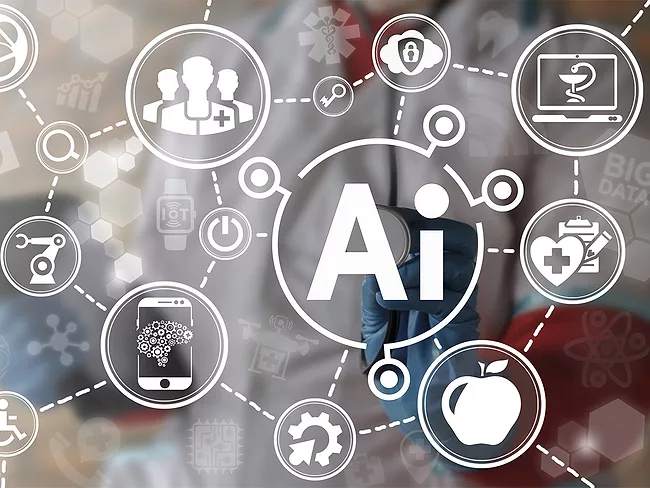
As the average cost of new drug R&D continues to skyrocket, the perception around using artificial intelligence (AI) as a tool to boost drug discovery is changing. “Developing new AI-based drugs is a difficult task, not only for Korea but also for countries with leading AI technology,” Hyeyun Jung, principal researcher of Korea Health Industry Development Institute’s Center for Health Industry Policy, told the audience at the Bio Korea meeting on May 9. “But there is a change in perception; [namely that] applying AI to new drug development is not an option but a necessity.”
Recent advances in artificial intelligence (AI) have generated a tsunami of popular dystopian musings, but the U.S. Patent and Trademark Office (PTO) has its own concerns about AI’s impact on intellectual property.
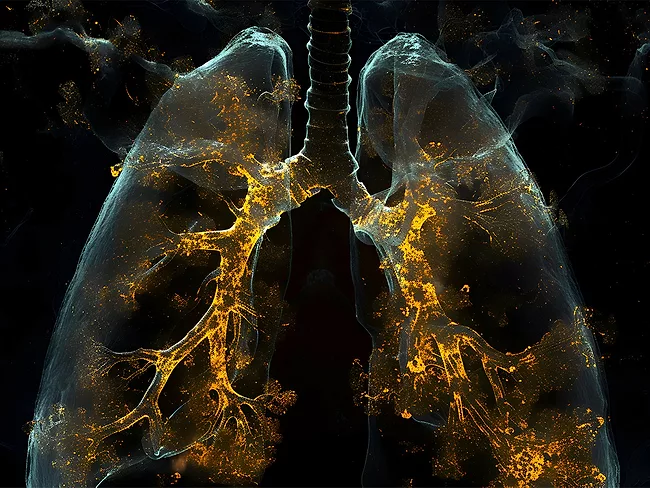
Deep learning algorithms have enabled the discovery of molecular structures of interest in biomedicine to design treatments against aggressive diseases such as idiopathic pulmonary fibrosis (IPF). Scientists at Insilico Medicine Inc. selected a target for IPF using artificial intelligence (AI), then designed an inhibitor to block it, and tested it in vitro, in vivo, and in clinical trials.
The U.S. Patent and Trademark Office (PTO) has released a draft version of patent examiner guidelines to address the increasing use of artificial intelligence (AI) in the inventive process, reflecting the standing U.S. position that AI cannot be an inventor.
The field of peptides is exploding, Perpetual Medicines Corp. co-founder, chairman and CEO Kerry L. Blanchard recently told BioWorld, “with a projected growth rate far surpassing large and small molecules, and gene therapies. The area is underinvested, too, so this is a good opportunity to focus on peptide therapeutics.”
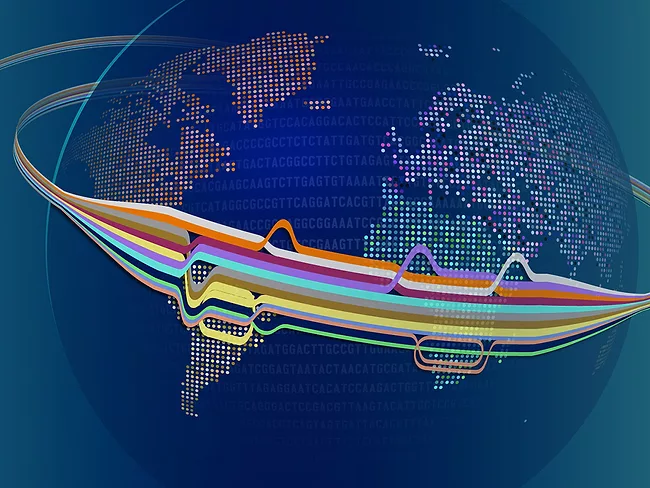
If we unraveled the DNA of the 46 chromosomes of a single human cell, it would barely measure 2 meters. If we did the same with the rest of the body, if we aligned the 3 billion base pairs of its 5 trillion cells, we could travel the distance from the Earth to the Sun more than 100 times. It seems unreachable. However, that is the unit of knowledge of the large sequencing projects achieved in 2023. From the generation of the human pangenome to cell-by-cell maps of the brain and kidneys, scientists this year have completed several omics collaborative projects stored in large international databases. Now, what’s the plan?
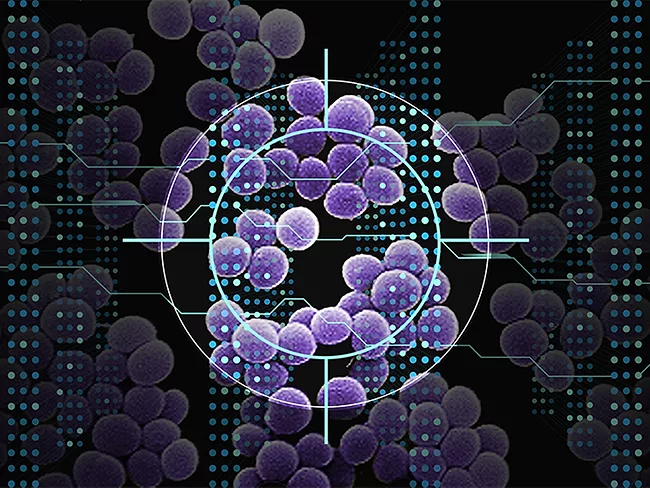
Researchers have used explainable artificial intelligence (explainable AI) to find structurally new antibiotics with minimal toxicity. They reported their findings online in Nature on Dec. 20, 2023. In animal testing, compounds identified via the method showed that they had activity against drug-resistant gram-positive bacteria including methicillin-resistant Staphylococcus aureus (MRSA), one of the most serious bacterial public health threats.
Artificial intelligence has morphed from a buzzword referencing a popular curiosity to a series of national security and competitiveness considerations, which was reflected in the tone of a recent hearing in the U.S. House of Representatives.
A number of recent developments in artificial intelligence (AI) have sent some reassurance that these algorithms will not hit the market completely devoid of regulation, but a Nov. 8 hearing in the U.S. Senate makes clear that Capitol Hill is intent on legislating on AI, even if only belatedly.
As a follow-up to the Biden administration’s executive order for artificial intelligence (AI), the U.S. Office of Management and Budget (OMB) has promulgated a memorandum directing federal government agency use of AI.
 RSS
RSS