The U.S. FDA reported the launch of its in-house generative AI (GenAI) tool, dubbed Elsa, for a variety of purposes. FDA commissioner Marty Makary assuaged industry’s privacy concerns by promising that the algorithm does not train on data submitted by makers of devices and pharmaceuticals.
A research team led by consultant and orthopedic surgeon Glen Liau Zi Qiang from Alexandra Hospital in Singapore developed a new AI algorithm to improve the accuracy and efficiency of robotic total knee arthroplasty (rTKA) surgery.
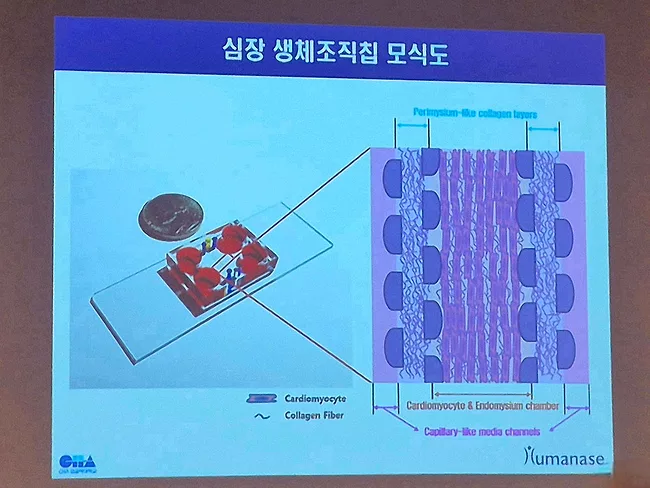
The U.S. FDA’s decision to phase out animal testing for INDs is driving a new market of alternative, nonanimal testing technologies like organoids and organs-on-a-chip, speakers at Bio Korea 2025 said.
Royal Philips NV unveiled its Future Health Index report for 2025, and it reveals the widening trust gap between health care professionals and patients concerning the adoption of AI in health care.
The U.S. Centers for Medicare & Medicaid Services reported a request for information for a modernized digital health ecosystem that would presumably improve beneficiary access to digital health technologies.
The U.S. FDA’s decision to phase out animal testing for INDs is driving a new market of alternative, nonanimal testing technologies like organoids and organs-on-a-chip, speakers at Bio Korea 2025 said.
The Advanced Medical Technology Association released a policy proposal for AI in medical devices that took the U.S, FDA to task for its guidance for predetermined change control protocols for AI, stating that the guidance is “inconsistent with the statutory authority” for PCCPs.
The U.S. FDA’s January 2025 draft guidance for AI-enabled device software functions has not fared well in terms of industry response. Two major trade associations argue that the draft is at least somewhat redundant with existing agency guidance.
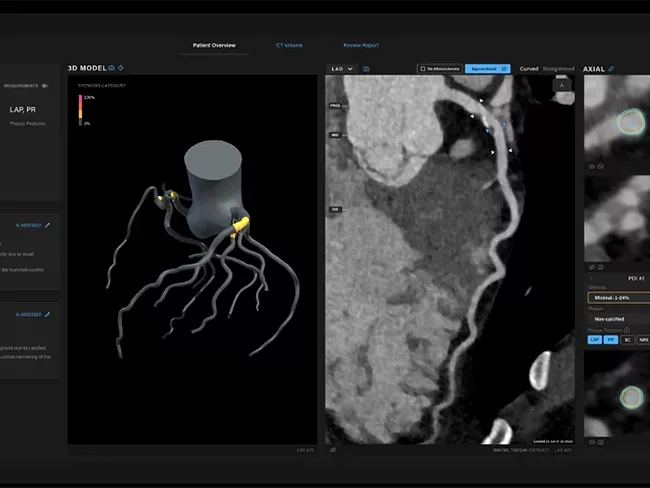
The U.S. FDA cleared Artrya Ltd.’s Salix Coronary Anatomy software that analyzes coronary computed tomography angiogram scans via AI to better diagnose coronary artery disease.
The U.K. Medicines and Healthcare Products Regulatory Agency (MHRA) unveiled the pilot version of its AI Airlock in 2024, and the agency posted a list of the products that are taking part in this version of a regulatory sandbox.
 RSS
RSS