Digital therapeutics coupled with drugs has the potential to transform health care and change the way patients are treated, Anthony Costello, CEO of Medidata Solutions Inc., told BioWorld. Medidata recently strengthened its partnership with Click Therapeutics Inc., following an investment from its parent company Dassault Systèmes SE, which will see the two companies working to develop new therapies to improve the experience of patients.
Scientists in the U.K. have developed a new meta-material, dubbed Roliner, to improve the fitting of wearable devices made from hard materials, such as prosthetic limbs.
The three-dimensional analysis of cell types and their locations by spatial transcriptomics provides key information of their interactions within tissues or organs. Based on this technology, scientists at the Wellcome Sanger Institute have developed an AI tool called Nichecompass, which shows a comprehensive view of the cancer microenvironments, the different cells, their locations, and how they communicate with each other through different molecules inside the tumor.
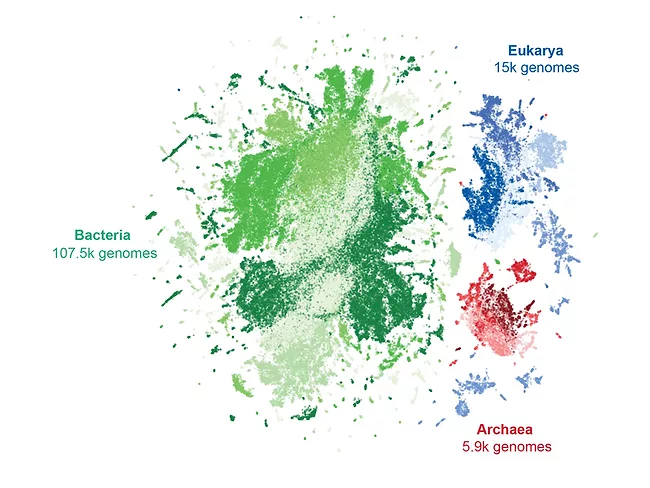
A new version of Evo, the AI developed at the Arc Institute that can be used to design genomes as long as that of a bacterium, has been retrained with the DNA sequences of three domains of life – viruses, bacteria and eukaryotes.
Med-tech companies focusing on cardiovascular diseases or neurological conditions, women’s health or robotic surgery, will find European investors willing to deploy capital into their stories. European venture capital firms are excited about the continuing innovation and opportunities in the sector.
The European Commission’s proposal for an AI-specific liability law seemed destined to pile onto existing EU liability law, but the commission reported it will pull the legislative proposal dubbed the AI Liability Directive.
The European Commission issued a set of guidelines for the use of AI as a supplement to the EU’s Artificial Intelligence Act, a document of which chatbot developers will want to take note.
In what represents the first PCT filing emerging in the name of Ayble Health Inc., protection is sought for a system for adaptive, multi-level processing of health data to be used in the individualized management of immune-mediated inflammatory diseases such as inflammatory bowel disease and irritable bowel syndrome.
South Korea’s Ministry of Food and Drug Safety said it released the world’s first guideline on reviewing and approving generative artificial intelligence-based medical devices Jan. 24, to help establish standards on the technology’s applications in the medical field.
The European Union has implemented legislation governing artificial intelligence (AI) with more on tap, but the U.S. has to date lagged in that area. However, the House of Representatives has assembled a bipartisan task force for AI, one of several developments suggesting that 2025 will be an even more AI-focused year than 2024.
 RSS
RSS