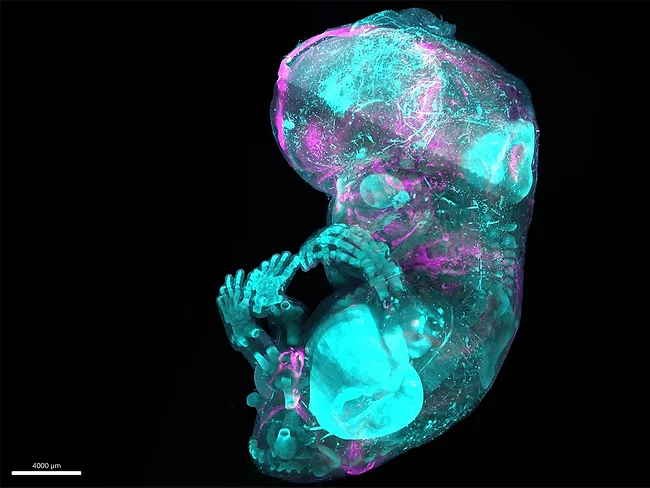
An international consortium of thousands of scientists is creating the Human Cell Atlas, a three-dimensional map of all the cells in the body. The goal is to understand all the cells that make up human tissues, organs and systems, which will enable multiple medical applications. This collection of cell maps is openly available for navigation at single-cell resolution, identified through omics analyses that reveal the tridimensional distribution of each cell.
The development of new machine learning tools like Alphafold and Rfdiffusion has allowed scientists to predict the structure of proteins and design them for drug discovery purposes, among other uses. Now, scientists at the Arc Institute have created Evo, an AI model that generates DNA sequences and estimates their interaction with other molecules at single-nucleotide resolution, scalable to an entire genome.
Many studies have linked the presence of specific bacteria to various diseases. But a general overgrowth of gut bacteria can be a symptom of different conditions, including colorectal cancer and inflammatory bowel disease. A study counting gut microbiome proposes that microbial load, rather than the disease, could explain the presence of certain pathogens.
Device makers are not necessarily fond of the need to acquire Medicare coverage by picking off one Medicare administrative contractor at a time, but Cleerly Labs Inc. worked this path with gusto.
Abstract ideas are not generally eligible for patents in the U.S., but a recent dispute heard by the U.S. Patent Trial and Appeal Board adds a new twist to the question.
The U.S. FDA has had its sights on artificial intelligence (AI) for some time, but an upcoming advisory hearing will review questions such as the regulatory status of a generative AI (GenAI) algorithm. This is just one of several AI-related dilemmas facing the agency in the next few years.
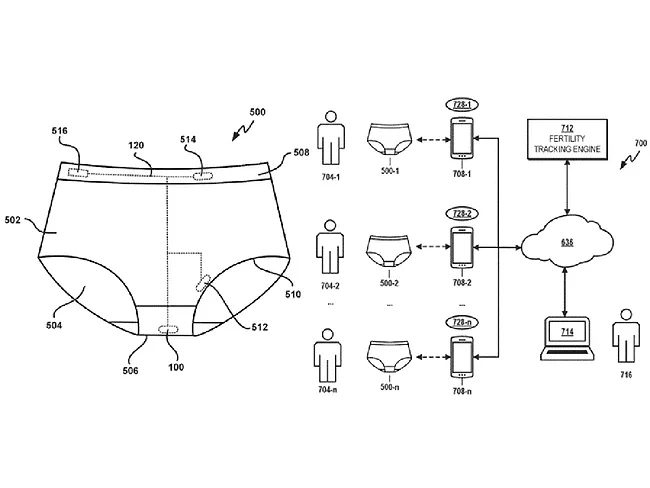
The first patenting from Fibra Inc. sees its founder and CEO Parnian Majid describe their development of a non-invasive wearable device which tracks fertility data through the measurement of various physiological parameters.
A recent retrospective cohort study of Insight MMG highlighted potential of Lunit Inc.’s artificial intelligence-powered breast cancer screening tool in detecting “subtle signs of cancer” earlier for women.
David Baker, Demis Hassabis and John Jumper share the 2024 Nobel Prize in Chemistry for their contributions to the science of protein structure. David Baker was awarded half the prize “for computational protein design,” according to the Royal Swedish Academy of Sciences. Hassabis and Jumper shared the other half “for protein structure prediction.”
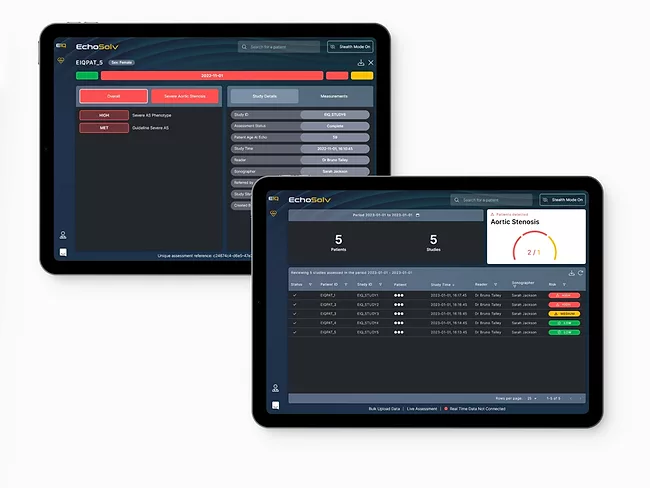
The U.S. FDA gave the 510(k) green light to Echo IQ Ltd.’s Echosolv AS for its AI-enabled software as a medical device to be used as a decision support aid in detecting severe aortic stenosis.

 RSS
RSS