The U.K. Medicines and Health Care Products Regulatory Agency (MHRA) is among the regulators across the globe that are scrambling to keep pace with artificial intelligence (AI) in medical devices, releasing an April 30, 2024, paper on its own approach. One of the key considerations in this paper is that MHRA expects to up-classify some AI-enabled device software functions in its ongoing regulatory revamp, a prediction that suggests a more stringent premarket path for these products in the years ahead.
Recent advances in artificial intelligence (AI) have generated a tsunami of popular dystopian musings, but the U.S. Patent and Trademark Office (PTO) has its own concerns about AI’s impact on intellectual property. PTO recently announced that it is looking for feedback on the use of AI to produce what litigants might spuriously claim is prior art, a concern that must be addressed if the patent system is to avoid crashing under the weight of an unmanageable volume of AI-generated clutter.
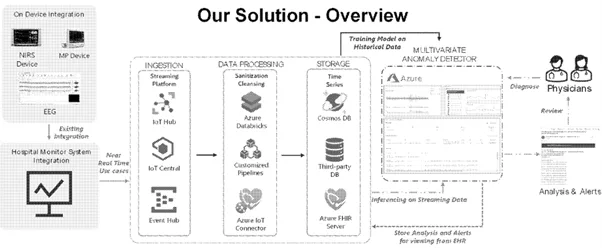
In what represents its first patenting, PBSF Inc. filed for protection of brain monitoring and neuroprotection strategies for infants at high risk on a large scale.
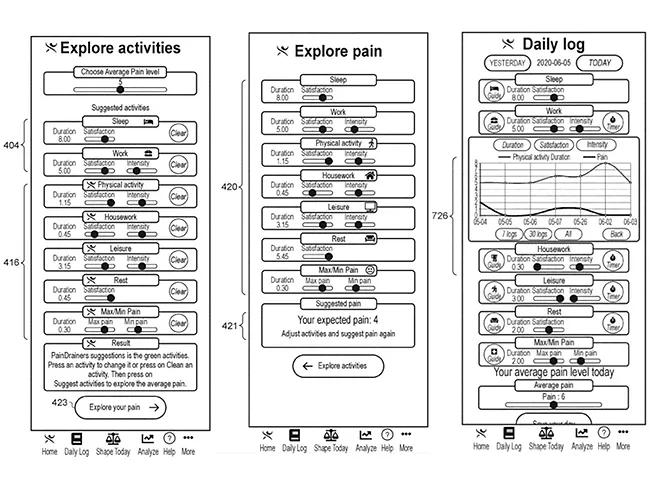
Lund, Sweden based-Paindrainer AB received notification from the European Patent Office that it intends to grant this patent application for its digital tool, Paindrainer, which coaches users in managing their pain and provides guidance on how to reach a personalized activity balance to reach an optimal functional level and alleviate pain.
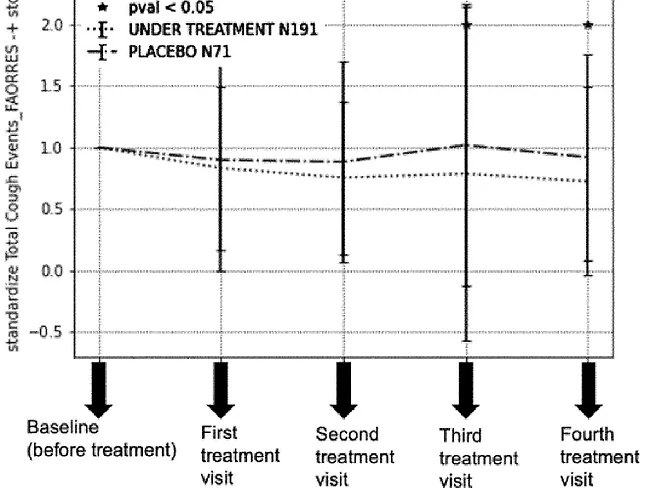
In what represents just the third PCT filing to have been published in the name of Zurich, Switzerland-based Siva Health AG, protection is sought for a computer-implemented method of classifying an individual suffering from chronic cough.
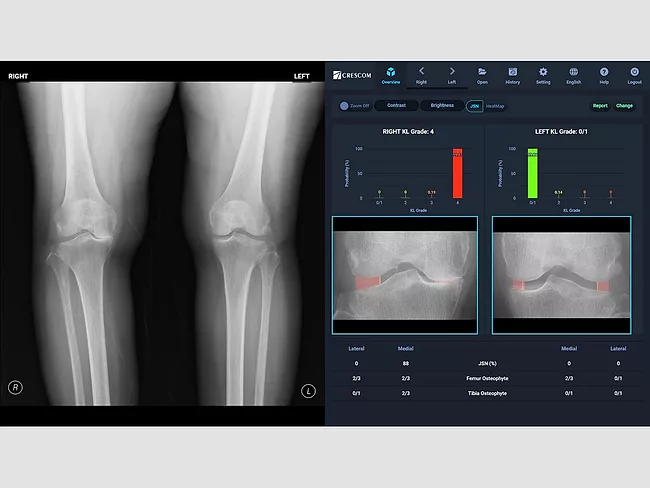
Crescom Co. Ltd., of Seongnam-si, Gyeonggi-do, gained domestic approval for its AI-powered software to grade knee osteoarthritis, dubbed MediAI-OA, while launching a new AI-mobile platform, Onzaram, to help manage child growth care.
The U.S. FDA granted Scopio Labs Ltd. de novo clearance for its artificial intelligence (AI)-powered software which analyzes bone marrow. Scopio’s Full-Field Bone Marrow Aspirate (FF-BMA) system aims to improve patient care by standardizing bone marrow aspirate analysis and elevating diagnostic precision.
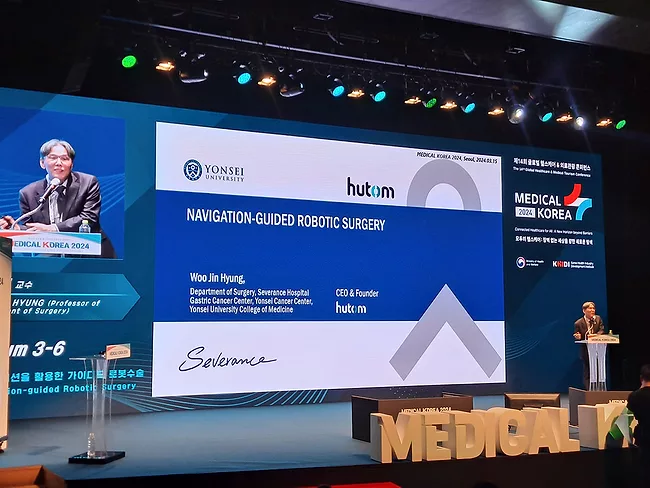
Surgeon, CEO and founder of Hutom Corp., Woo Jin Hyung, is working to level the playing field in the operating room with artificial intelligence (AI) and big data, leveraging digital technology to optimize surgical outcomes.
Despite a slowdown in the fourth quarter (Q4), med-tech deals concluded the year with the highest deal-value total in BioWorld MedTech’s records. In 2023, a total of $10.63 billion was raised from deals, a 33% increase over the $7.99 billion deal total in 2022. Meanwhile, annual M&A value dropped 58%, from $153.09 billion in 2022 to $64.8 billion in 2023.
The U.S. Patent and Trademark Office (PTO) has released a draft version of patent examiner guidelines to address the increasing use of artificial intelligence (AI) in the inventive process, reflecting the standing U.S. position that AI cannot be an inventor.
 RSS
RSS