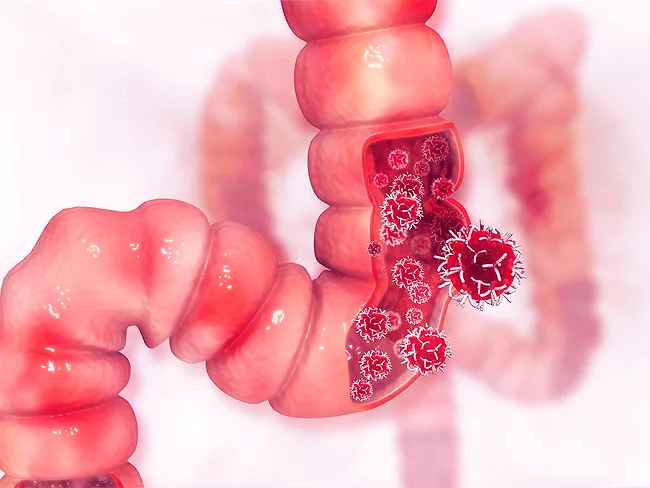
Researchers from the Chinese University of Hong Kong have identified the Carnobacterium maltaromaticum bacterium as a potential oral probiotic prophylactic to increase vitamin D production and reinvigorate gut microbiota to prevent colorectal cancer (CRC) in women.
Intron Biotechnology Inc. has announced the identification of lysogenic bacteriophages prophage and jamphage in the pancreatic cancer-related microbiome. This identification was achieved as part of the ongoing Phageriarus development project that is focused on acquiring bacteriophage-derived proteins that can serve as immune regulators, with the ultimate goal of developing phage-based immunotherapeutics for immune disorders and cancer.
Research led by the University of Copenhagen and Herlev-Gentofte University Hospital shows that individuals with the eating disorder anorexia nervosa have an abnormal gut microbiome that likely contributes to symptoms associated with the condition. Published in the April 17, 2023, issue of Nature Microbiology, the study showed multiple differences in the species and amounts of bacteria and viruses present in the gut of people with the condition compared with healthy controls.
Gut bacteria used liquid-liquid phase separation (LLPS) to organize themselves into condensates, which allowed them to adapt to nutrient deprivation, enabling them to colonize the gut. In experiments reported in the March 17, 2023, issue of Science, investigators showed that a mutant of the beneficial gut bacterium Bacteroides thetaiotaomicron was “highly defective in competitiveness, in its ability to colonize the mammalian gut,” senior author Eduardo Groisman told BioWorld. “Our paper provides the first example in which [LLPS] matters in bacterial host interactions.”
The intestinal microbiota could protect against HIV infection. At the 30th Conference on Retroviruses and Opportunistic Infections (CROI) last week, a group of scientists from Duke University presented data showing a preventive effect of two bacteria from the Lachnospiraceae family, the species Clostridium immunis and Ruminococcus gnavus against HIV. These microorganisms strongly inhibited HIV replication in vitro through the metabolic pathway of tryptophan and the aryl hydrocarbon receptor.
When oxygen levels of the intestine increase, the appropriate hypoxic conditions for intestinal microbiota are lost. This state may be caused by immune-mediated malfunction of the intestinal epithelium. By controlling oxygen levels, the imbalance in the intestinal microbiome (dysbiosis) can be reduced.
Scientists have identified proteins that changed in response to exercise specifically in trial participants whose blood sugar control improved after taking up an exercise regimen. Based on serum protein analysis, the investigators also developed a machine-learning algorithm that could predict whether an individual’s metabolic sensitivity would be improved by exercise.
A study by researchers in Spain suggests that current metagenomic analyses of the microbiome can yield erroneous results, largely due to the incomplete databases that are used to identify microbial DNA sequences. A team led by Clemente Fernández Arias and Federica Bertocchini at the Centro de Investigaciones Biológicas Margarita Salas, Madrid, evaluated current microbiome analysis techniques on computer simulations of microbial communities in a report published on Feb. 8 in PLOS ONE.

 RSS
RSS