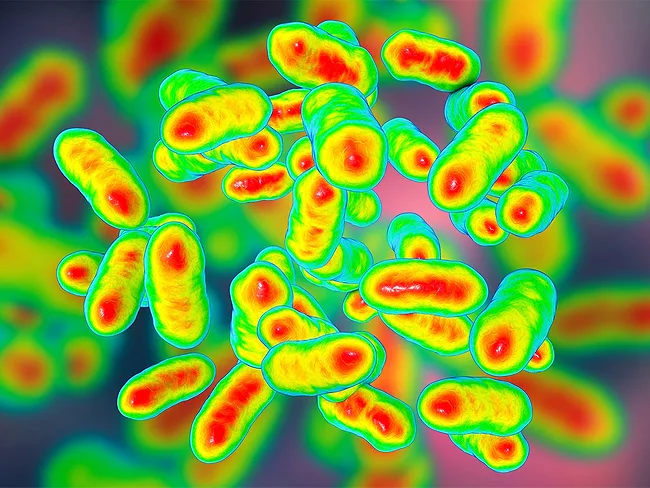
Many studies have linked the presence of specific bacteria to various diseases. But a general overgrowth of gut bacteria can be a symptom of different conditions, including colorectal cancer and inflammatory bowel disease. A study counting gut microbiome proposes that microbial load, rather than the disease, could explain the presence of certain pathogens.
The gastrointestinal tract could be key to developing new drugs to combat resistant bacteria. Computational analysis of the human microbiome has revealed a new class of peptides with antimicrobial potential that, once synthesized, inhibited the growth of several microorganisms in vitro and in vivo.
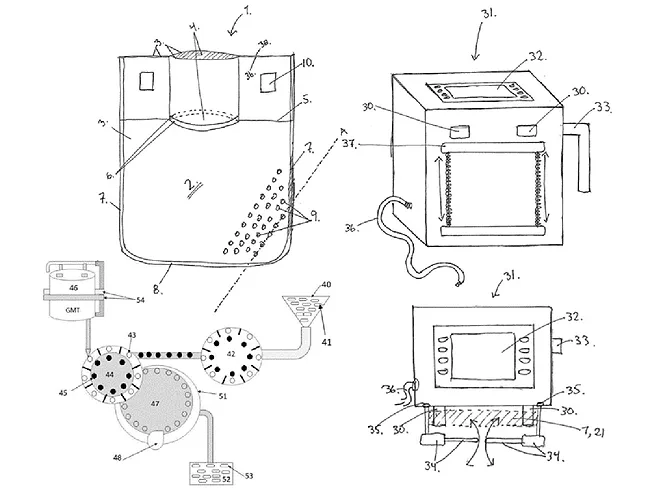
The first patenting to emerge in the name of Copenhagen, Denmark-based 1Health Gut In Balance ApS (dba Gut In Balance) describes development of an apparatus and system that enables hospitals to produce fecal microbiota transplantation capsules on site, and much more efficiently and cheaply.
Researchers in Japan have discovered that a phage-derived enzyme called endolysin, which targets highly resistant biofilm-forming bacteria, could help restore the gut microbiota to mitigate acute graft-vs.-host disease. Acute graft-vs.-host disease (aGVHD) is a common complication for patients who undergo allogeneic hematopoietic cell transplantation (allo-HCT). Recent studies have highlighted the significant role of the microbiome in aGVHD, with dysbiosis contributing to its pathogenesis.
Kanvas Biosciences Inc. has raised $12.5 million in additional funding to support development of the company’s spatial biology platform and advance two novel therapeutics in its immuno-oncology program, KAN-001 and KAN-003.
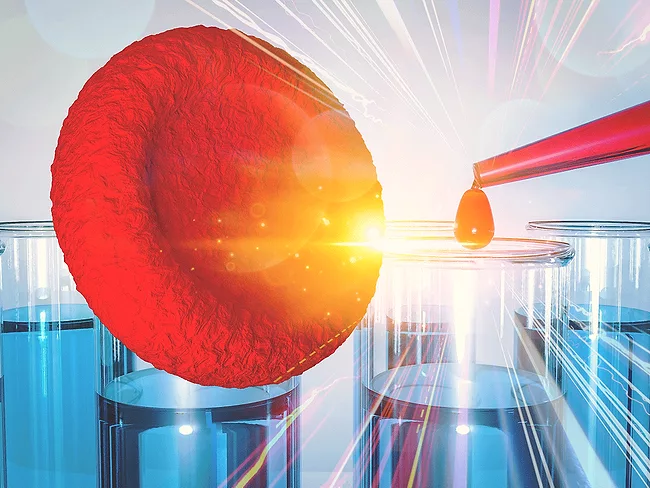
Researchers have identified enzymes in gut microorganisms that could cleave A and B antigens from red blood, transmuting them to O negative cells. This is “a decisive step forward” in the quest to develop a universal donor blood that can be administered to people of any blood group without eliciting a harmful immune response, according to Maher Abou Hachem of the Technical University of Denmark, who co-led the research.
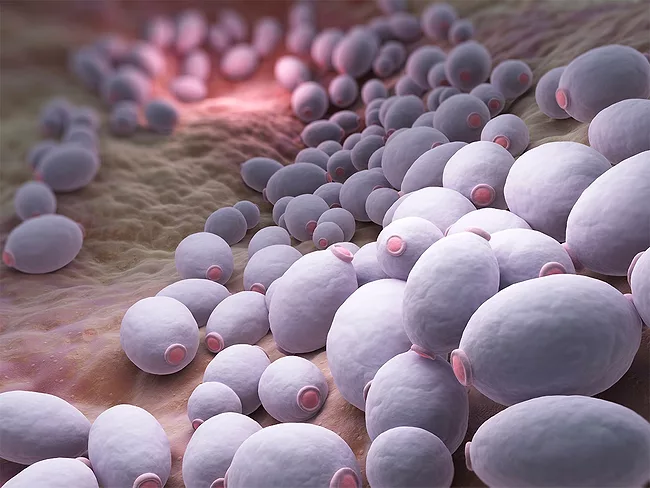
Scientists at the Weizmann Institute of Science in Israel announced the discovery of the new intestinal microbiota species Kazachstania weizmannii in mice, which competed with and limited the growth of Candida albicans, thus preventing candidiasis. Both microorganisms belong to the Saccharomycetaceae family and reside in humans, maintaining a complex interaction with therapeutic value.
A laboratory technique used to generate pluripotent stem cells from any tissue, cellular reprogramming, has led a group of researchers to the discovery of a process that could have an impact on natural tissue repair.
Avoidance of graft-vs.-host disease (GVHD) after a hematopoietic stem cell transplant could depend on certain members of the microbiome. According to a study led by scientists at the Fred Hutchinson Cancer Center (FHCC), while some species of intestinal bacteria repressed the expression of the major histocompatibility complex II (MHC-II), others induced it and triggered the immune response that produces GVHD.
 RSS
RSS