Findings from three recent studies are shedding light on the pathways that are activated in severe cases of COVID-19, paving the way for earlier diagnosis and more targeted treatments.
Keros Therapeutics Inc. announced preliminary results from a phase I trial of its engineered ligand trap KER-012 that gave its team confidence to proceed with larger studies in pulmonary arterial hypertension (PAH) and potentially some bone diseases. But company shares (NASDAQ:KROS) fell 16.6% to $38.50 May 18, following the announcement, perhaps over concerns about trial subjects that emerged in a company-hosted investor call.
A paper published May 3 in Nature Communications about a patient infected with Mycobacterium chelonae who was cured by way of bacteriophage treatment sparked more intrigue around how to attack the nontuberculous mycobacteria (NTM) group of bugs that cause lung infections.
It was a patient-reported outcome, one that could actually be seen in the mirror, that alerted researchers they might be on track in their phase I/II study of cystinosis. The patient noticed that for the first time in his life his hair had become darker, like his brother’s. It was all because the rare disease inhibiting the pigment in his body was being impacted by the treatment. “It’s a secondary issue, but I find it fascinating,” Avrobio Inc.’s CEO, Geoff MacKay, told BioWorld. “When you run trials like this, you stumble upon some fascinating results.”
As the six-month interim analysis of phase II data for ATA-199 in progressive forms of multiple sclerosis (MS) nears, investors in Atara Biotherapeutics Inc. – not to mention patients – are growing more intrigued by the prospect, an off-the-shelf T-cell candidate that targets Epstein Barr virus-infected B cells and plasma cells in the central nervous system.
Bristol Myers Squibb Co. has announced long-term data from its closely watched psoriasis pill, deucravacitinib, which it hopes will supplant Amgen Inc.’s blockbuster, Otezla (apremilast), as the main oral therapy for the disease.
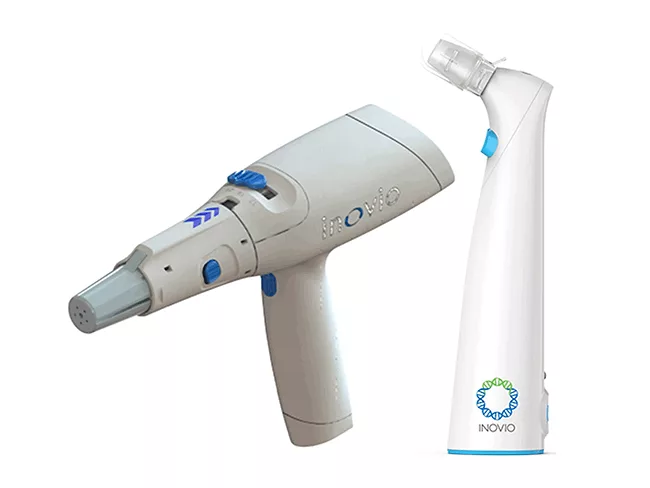
Newly appointed President and CEO Jackie Shea looks to have her work cut out for her, as Inovio Pharmaceuticals Inc. decided to ditch its phase II/III COVID-19 vaccination trial in favor of pursuing a booster strategy with INO-4800. That update, disclosed during Inovio’s first-quarter earnings late May 10 alongside a likely delay in filing for approval of HPV immunotherapy candidate VGX-3100, sent the stock (NASDAQ:INO) falling 27% May 11. Over the past year, shares have fallen more than 70%.
A phase III failure for Roche Holding AG unit Genentech Inc.'s anti-TIGIT immunotherapy tiragolumab dragged down the share value of several other class entrants.
Not long ago, people who touted the prospects of psychedelic drugs might have been accused of hallucinating, but in the U.S. and elsewhere the space has expanded in recent years, as mental health treatments remain “stuck where cancer was 50 years ago,” said Roth analyst Elemer Piros.
First results from the U.K. Cov-Boost trial, looking at responses to a fourth dose of an mRNA COVID-19 vaccine, show that antibody levels increase more than after the third dose, confirming the precautionary move to give the most vulnerable a second COVID-19 booster in advance of immune response data being available.
 RSS
RSS