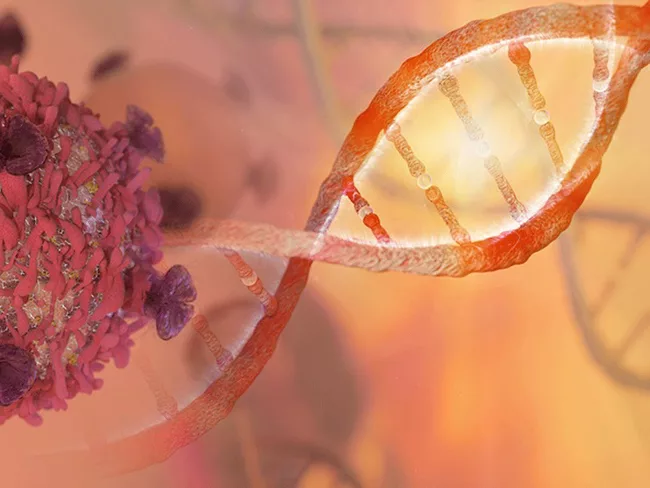
Natera Inc.’s personalized, tumor-informed circulating tumor DNA (ctDNA) assay, Signatera, accurately and quickly predicted response to immunotherapy across 25 types of cancer, in a study published in Nature Cancer.
Cryoablation for paroxysmal atrial fibrillation (PAF) is not the standard of care, but a recent study may change at least some clinicians’ thinking on that score.
Despite two significant coronavirus outbreaks in the last two decades that killed hundreds of people, dominated international headlines, and grabbed millions in research dollars, SARS-CoV-2 still caught researchers, national scientific advisors, pharmaceutical companies flatfooted when it emerged in late 2019. Why?
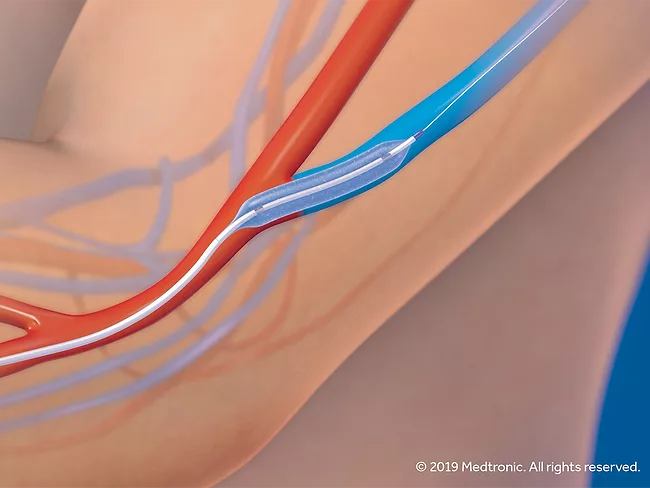
Medtronic plc is highlighting the publication of primary endpoint results from the In.Pact AV Access trial in the New England Journal of Medicine. The study found that the company’s paclitaxel-coated balloon limits the number of reinterventions needed to maintain blood flow in patients with end-stage renal disease who have arteriovenous fistulae.
PARIS – Bellaseno GmbH recently completed a phase I trial of its Senella absorbable soft tissue reconstruction scaffold on an Australian patient with congenital pectus excavatum.
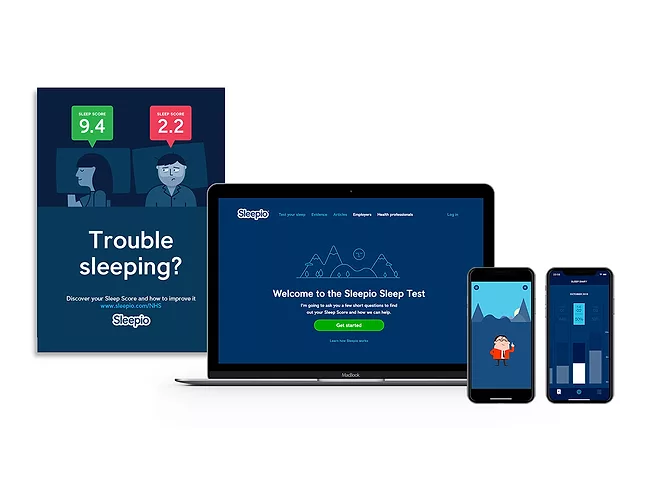
Big Health’s digital therapeutic Sleepio may not only improve insomnia but also reduce symptoms of depression, a study to be published Aug. 19 in the Journal of Sleep Research shows.
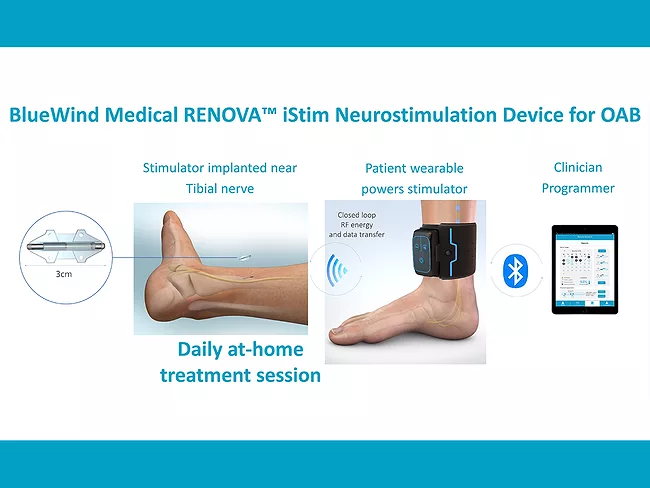
Israeli startup Bluewind Medical Ltd. has begun enrolling patients at U.S. sites in a pivotal trial of its Renova Istim implantable tibial neuromodulation system for the treatment of overactive bladder.
Investigators at Weill Cornell Medical College have demonstrated that mitochondrial DNA drives the abscopal antitumor response to radiation, which can be boosted by autophagy inhibition.
A bioelectronic platform that stimulates the vagus nerve to reduce inflammatory activity and restore balance in the immune system is the ultimate aim of Setpoint Medical Inc. The Valencia, Calif.-based startup is preparing to start a U.S. pivotal trial for its most advanced program in rheumatoid arthritis (RA) later this year or early next.
 RSS
RSS