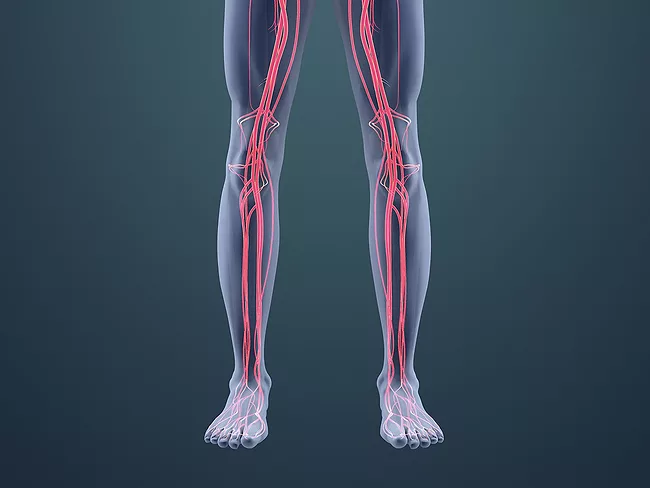
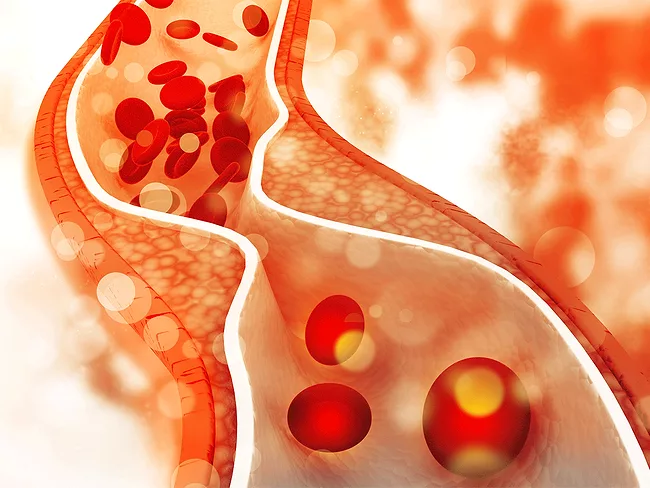
Medtronic plc reported promising results from a feasibility study of its In.Pact 0.014 drug-coated balloon (DCB) in critical limb ischemia (ICL) patients with chronic total occlusion (CTO) in the infrapopliteal arteries.
Fractional flow reserve (FFR) processing of computed tomography (CT) images has gained a substantial body of momentum over the past few years, but a recent study posed the question of whether it can save health care systems from excess spending for stable angina.
Shockwave Medical Inc., which is focused on intravascular lithotripsy (IVL) to treat severely calcified cardiovascular disease, saw its stock value rise Friday (NASDAQ:SWAV), eventually closing at $78.22, up $3.47, or 4.64%, following the presentation of positive results from the Disrupt CAD III trial.
The history of TAVR devices is evolutionary as much as it is revolutionary, or that is at least the take-away from an Oct. 15 virtual session comparing the Acurate Neo device by Boston Scientific Corp., of Marlborough, Mass., with the Corevalve Evolut R by Dublin-based Medtronic plc.
Axon Therapies Inc. has developed an ablation system and method that treats the underlying problems in patients with heart failure with preserved ejection fraction (HFpEF), with an eye toward improving their quality of life.
A study blending intravascular ultrasound and near-infrared spectroscopy, presented at TCT Connect 2020, makes the argument that lipid-rich, nonobstructive lesions are responsible for most major adverse cardiac events after percutaneous treatment.
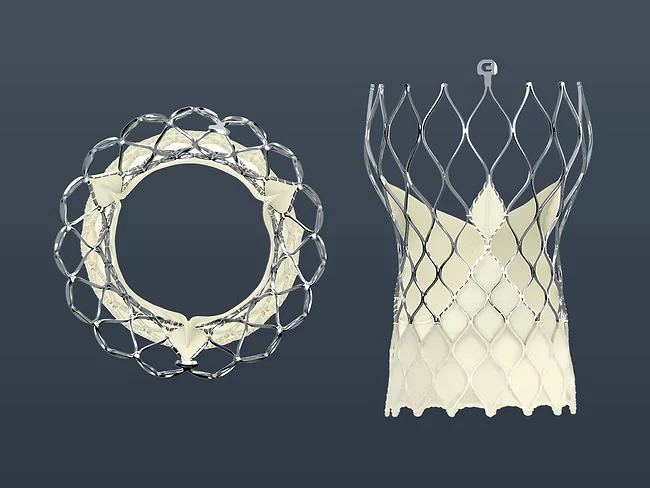
Medtronic plc has kicked off two clinical trials of its Evolut transcatheter aortic valve replacement (TAVR) system. One study will pit the self-expanding Evolut Pro and Pro+TAVR systems against Edwards Lifesciences Corp.’s balloon-expandable Sapien 3 and Sapien 3 Ultra transcatheter heart valves in small annulus patients.
San Carlos, Calif.-based Galaxy Medical Inc., which has developed pulsed electric field (PEF) technology for the treatment of cardiac arrhythmias, revealed the first treatments in the ECLIPSE-AF study, which is evaluating the Centauri system. The trial will assess the safety and efficacy of the Centauri as the company looks forward to obtaining a CE mark.
LONDON – Industry is calling on the government to set out a plan for the safe and sustainable restart of non-COVID-19 clinical studies that were put on hold when the pandemic struck.
PERTH, Australia – Astrazeneca plc is leasing 175 Sozo devices from Impedimed Ltd. and plans to put them in 20 countries to run phase II trials for a combination drug that looks at fluid imbalance in the human body in patients with heart failure (HF) and chronic kidney disease.
 RSS
RSS