Novartis AG’s attempt to repurpose its immunology drug canakinumab as an oncology therapy was always considered a long shot. Now, the chances of success have receded further after another phase III failure in lung cancer. The phase III Canopy-A study, which tested the drug as adjuvant treatment in adults with stages II-IIIA and IIIB completely resected non-small-cell lung cancer failed to meet its primary endpoint of disease-free survival vs. placebo.
News of GSK plc’s decision to decline its option for MAT2A inhibitor IDE-397, the lead compound from a 2020 collaboration with Ideaya Biosciences Inc. sent the latter’s shares (NASDAQ:IDYA) slipping 35% to close Aug. 15 at $10.20. For Ideaya, however, which maintained that it has sufficient capital to see the program through phase II on its own, the move works out just fine.
Positive data from Unity Biotechnology Inc.’s phase II study of UBX-1325, a senolytic BCL-XL inhibitor for treating diabetic macular edema, boosted the stock out of the penny range. Shares of the South San Francisco-based company’s stock (NASDAQ:UBX) rose sharply, 54% on Aug. 12, to $1.31 each.
The phase III miss disclosed Aug. 11 by Kubota Pharmaceutical Holdings Co. Ltd. subsidiary Kubota Vision Inc. in Stargardt disease put more eyes on the rare, inherited, juvenile-onset form of macular degeneration, for which nothing is approved.
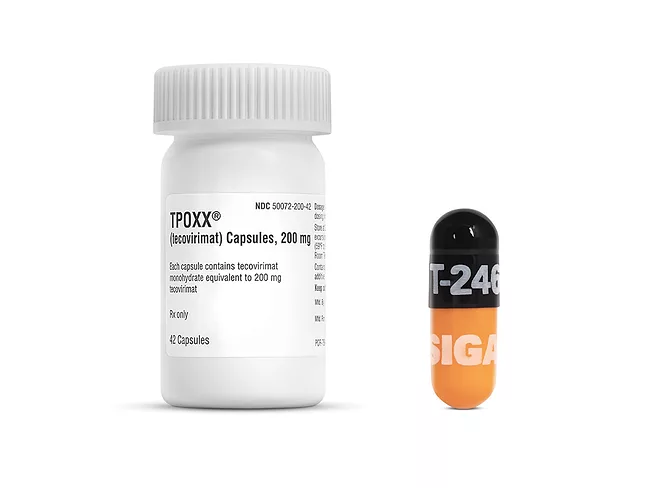
After declarations from the World Health Organization and the U.S. government that monkeypox is a public health emergency, attention is turning to the pharma industry’s response to the disease. Vaccines look likely to play a crucial role in controlling monkeypox – but could antivirals play a significant part as they did in the COVID-19 pandemic?
As biopharma and med-tech companies grapple with restrictive data privacy laws in the EU and China while trying to meet the demand for greater diversity reflective of the U.S. population, there’s been more of an interest in conducting clinical trials in the U.S., Stacy Amin, a partner at Morrison & Foerster LLP, told BioWorld.
The U.S. FDA’s effort to push companies toward more and better randomized, controlled trials ahead of accelerated approvals – apparently driven by the lack of confirmatory studies done afterward – is “an important and meaningful move by the agency,” said Day One Pharmaceuticals Inc. CEO Jeremy Bender. “The industry’s history in that space has been a little mixed.” Bender’s remarks came Aug. 9 as part of a wide-ranging panel discussion hosted by analyst Robert Driscoll during the Wedbush Pacgrow Healthcare Conference.
Beigene Ltd.’s tislelizumab met its primary endpoint of noninferior overall survival vs. sorafenib as a first-line treatment in hepatocellular carcinoma (HCC), marking the eighth positive phase III trial readout for the anti-PD-1 drug across multiple cancer types and lines of therapy.
Neither the primary endpoint of overall response rate nor the key secondary endpoint of progression free survival achieved statistical significance in Isofol Medical AB’s phase III Agent study of arfolitixorin in combination with 5 fluorouracil, oxaliplatin and bevacizumab in metastatic colorectal cancer (mCRC), licensee Solasia Pharma KK reported.
Prometheus Biosciences Inc.’s stock-boosting news July 26 put more investor eyes on inflammatory bowel disease (IBD), where the company during its R&D Day revealed the target of PRA-052, the clinical candidate that emerged from the program known as PR-600. PRA-052 takes aim at the CD30 ligand, which acts as a co-stimulatory molecule to drive T-cell proliferation and differentiation.
 RSS
RSS