While the emergence of immune checkpoint inhibitor (ICI) therapy in recent years has significantly improved cancer outcomes, some patients have been unable to experience the full therapeutic benefits of ICIs due to significant gastrointestinal inflammation linked to treatment. Seres Therapeutics Inc. is looking to change that with its live biotherapeutic candidate, SER-155, offering impressive findings from phase I data in ICI-related enterocolitis, or irEC.
Island Pharmaceuticals Ltd. has secured government and ethics approvals to deploy its investigational antiviral galidesivir in patients infected during the escalating Bundibugyo Ebola outbreak in Africa, giving the small Australian biotech a rare opportunity to collect prospective human data in an active filovirus emergency.
Pending talks with regulators, Satellos Bioscience Inc. may seek accelerated approval in Duchenne muscular dystrophy (DMD) for SAT-3247, which yielded positive results in the adult phase II Trailhead study. Shares of Toronto-based Satellos (NASDAQ:MSLE) closed July 8 at $8.98, up 77 cents, or 9.4%, after the firm made public six-month interim data from Trailhead.
The House Select Committee on China launched an investigation into clinical trials involving U.S. companies that are conducted at Chinese military hospitals and in Xinjiang, China.
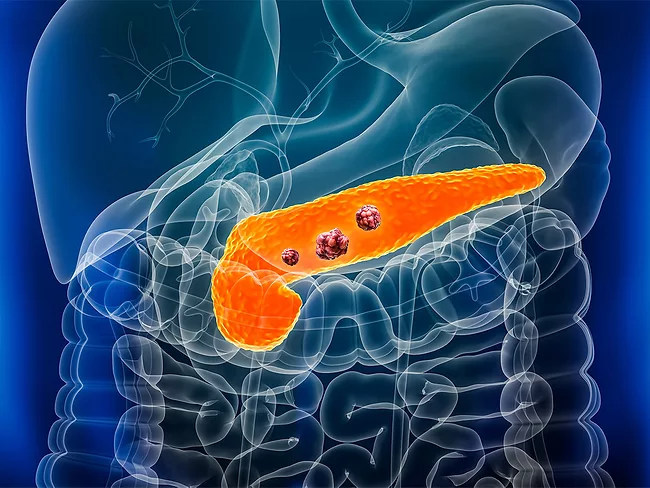
The data mill continues to churn out encouraging results in pancreatic ductal adenocarcinoma (PDAC), with shares of Ramat Gan, Israel-based Can-Fite Biopharma Ltd. benefiting from the latest, phase IIa dispatch that pushed shares (NYSE:CANF) up 58%, or $1.73, to close July 1 at $4.70.
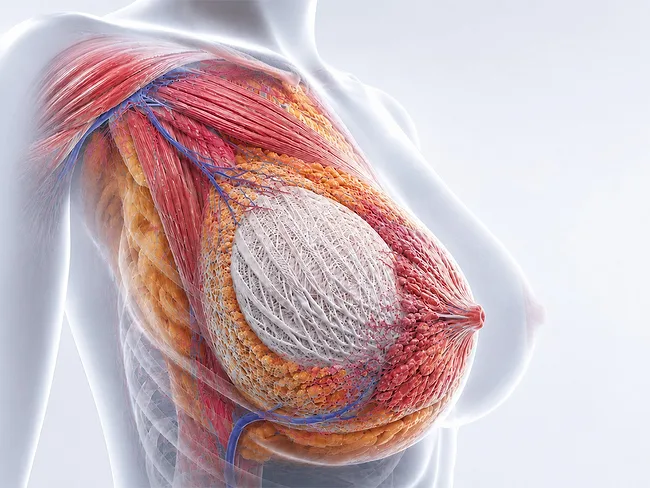
Regenerative medicine company Bellaseno GmbH is accelerating development of its absorbable breast scaffold, with a pivotal Australian trial recruiting faster than expected and a newly announced licensing deal with Johnson & Johnson subsidiary Mentor Worldwide LLC positioning the technology for global commercialization.
To Ivan Oransky, China’s paper-mill problem is best understood as an incentives story. “This is literally organized crime,” the Retraction Watch co-founder told BioWorld. “Follow the money. When there’s an opportunity to make money, they will find it, and if your whole career is based on how often you publish and what journals you publish in and how often you’re cited, it’s not surprising that leads to bad behavior.”
The gene therapy specialist formerly known as EG427 has a new name and fresh momentum, after closing a €33 million (US$37.7 million) series C that will further advance clinical development of the lead program in chronic neuro-urology indications.
Tvardi Therapeutics Inc. rebounded from a phase II blowup last fall in idiopathic pulmonary fibrosis (IPF) with oral STAT3 inhibitor TTI-101 by showing that a next-gen phosphate prodrug dubbed TTI-109 kept its potency in phase I without gastrointestinal (GI) troubles.
Samsung Bioepis Co. Ltd. announced positive top-line phase I and phase III data for SB-27, a proposed biosimilar to Merck & Co. Inc.’s blockbuster immunotherapy Keytruda (pembrolizumab). Preliminary analysis of parallel-run global phase I and phase III studies demonstrated SB-27’s clinical and pharmacokinetic (PK) equivalence to the reference product, according to a company announcement.
 RSS
RSS