ADC Therapeutics SA blamed patients’ advanced age on the death imbalance in the phase III Lotis-5 confirmatory trial testing Zynlonta (loncastuximab tesirine-lpyl) in combination with rituximab to treat relapsed or refractory diffuse large B-cell lymphoma (r/r DLBCL). Whatever the reason, Wall Street wasn’t pleased and shares (NYSE:ADCT) closed June 4 at $1.32, down 57%, or $1.77.
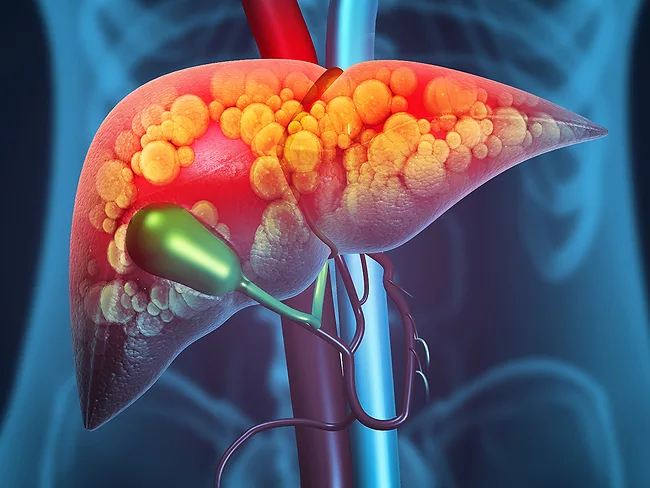
D&D Pharmatech Inc. announced May 27 positive top-line tissue biopsy results of zabopegdutide (DD-01) from a 48-week phase II study of metabolic dysfunction-associated steatohepatitis (MASH), pushing company shares up 30% on the day.
Although analysts liked the data – calling them “truly amazing” and “transformational” – Wall Street apparently had qualms about three cancer cases that turned up in phase III top-line data from the Abtect maintenance trial with obefazimod. Paris-based Abivax SA’s oral, first-in-class miRNA-124 enhancer performed well in adults with moderately to severely active ulcerative colitis (UC), but shares of (NASDAQ:ABVX) closed June 2 at $72.50, down 44%, or $57.19.
New data from Grail Inc.’s randomized study of its Galleri multicancer early detection test could not alter the fact that the U.K. trial missed the primary endpoint of reducing the number of cancers diagnosed at stage III and stage IV. But the company is now suggesting that discounting the initial screen, when most late stage cancers were detected, would be more representative of a real-life steady state screening program.
Turn Therapeutics Inc. made public strongly positive findings from an interim analysis that involves the first 50 subjects in the ongoing phase II atopic dermatitis (AD) trial with IL-36 inhibitor GX-03.
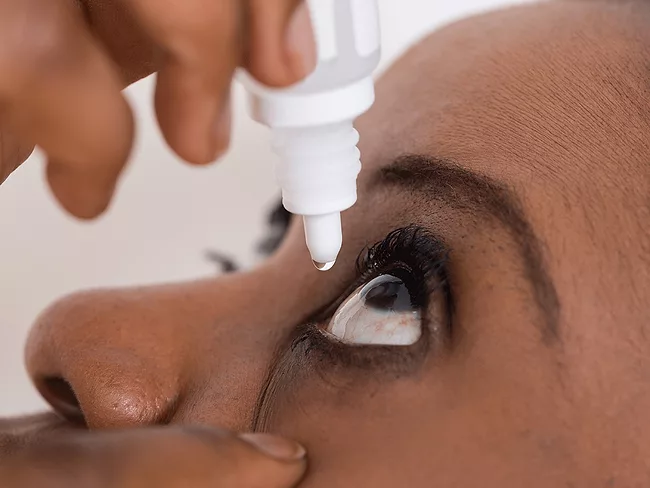
The much-awaited phase III readout from Oculis Holding AG’s OCS-01 in diabetic macular edema (DME) fell short of expectations, delaying the possibility of a topical eye drop option for DME patients and prompting the company to shuffle its pipeline priorities, with a focus on late-stage programs targeting optic neuropathies and dry eye disease.
BioWorld tracked 143 clinical trial readouts across phases I through III in April 2026, down from 209 in March, but roughly in line with 152 in February and 144 in January. By phase, April’s readouts included 47 from phase I, 59 from phase II and 37 in phase III. Among phase III programs, 15 trials reported positive results and two failed to meet primary endpoints.
“I need to be honest with you about something important. Most previous Ebola outbreaks in the Democratic Republic of Congo (DRC) were caused by a virus called Ebola Zaire, for which we have vaccines and treatments. This outbreak is caused by a different virus called Ebola Bundibugyo. There are currently no approved vaccines or treatments for it.” This was the stark message from Tedros Adhanom Ghebreyesus, director general of the World Health Organization (WHO) in an open letter to the people of the DRC, as he traveled to the country on Friday, May 29.
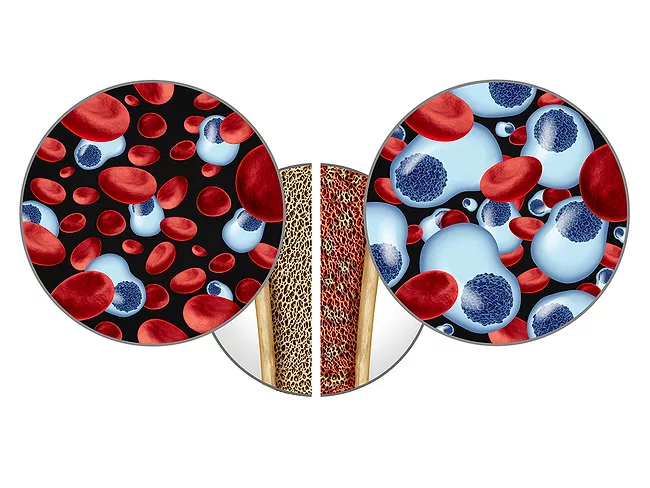
Bristol Myers Squibb Co. disclosed in March 2026 that the phase III portion of the seamless phase II/III Successor-2 study testing mezigdomide in combination with carfilzomib and dexamethasone (MeziKd) in patients with relapsed or refractory multiple myeloma was successful. Nearly three months later, the magnitude of success for its Pomalyst (pomalidomide) successor is clear.
GSK plc has announced a breakthrough in the treatment of chronic hepatitis B, reporting a functional cure rate of 19% across two phase III trials of its antisense oligonucleotide bepirovirsen.
 RSS
RSS