Connect Biopharma Holdings Ltd. pointed to positive secondary endpoint data and a numerical trend on the primary endpoint in favor of its S1P receptor modulator, CBP-307, in ulcerative colitis, but those results weren’t enough to keep the stock (NASDAQ:CNTB) from falling by more than 57% to close at 82 cents, as investors focused on the primary endpoint miss and the company’s decision to partner the program going forward.
Beigene Ltd. reported that its global phase III trial of PD-1 inhibitor tislelizumab in combination with chemotherapy met the primary endpoint of overall survival in first-line advanced esophageal cancer.
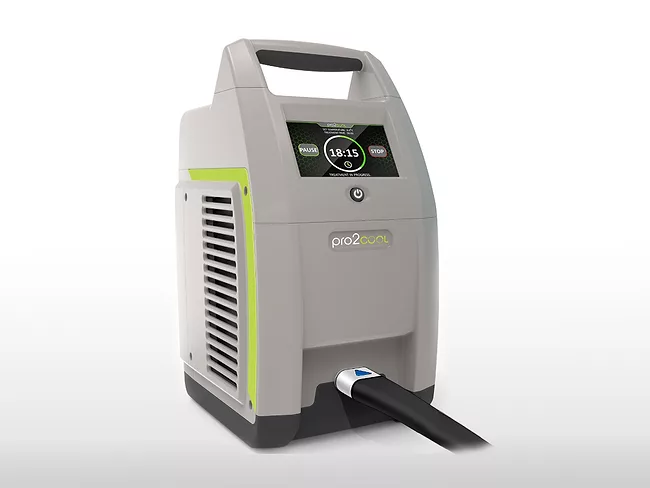
Hypothermic therapy startup Tectraum Inc. has finished enrolling patients in a pivotal trial of its Pro2cool device for the treatment of concussion. The company expects to submit the results to the U.S. FDA to support regulatory clearance by the end of this year and commercially launch Pro2cool in the U.S. in the first quarter of 2023.
Xeltis BV plans to expedite an international pivotal trial investigating its restorative hemodialysis access graft Axess following encouraging preliminary data. The company released results from a clinical trial investigating the graft at CX 2022, the Charing Cross International Symposium on Vascular and Endovascular Challenges, in London. Data showed the graft had 100% functional patency and safety in a patient cohort of 11, with a median follow-up of 6.5 months.
New trial results presented by Shionogi & Co. Ltd. at the 32nd European Congress of Clinical Microbiology and Infectious Diseases showed the company’s 3CL protease inhibitor, S-217622, was well-tolerated, with the potential to rapidly clear SARS-CoV-2, Simon Portsmouth, executive medical director at Shionogi, told BioWorld.
Australia’s Therapeutic Goods Administration will begin conducting routine risk-based good clinical practices (GCP) inspections for clinical trials of drugs and biologics. The agency outlined in final guidance how it would prioritize inspections, what the process would look like and how it would report and follow up on inspections.
Australia’s Therapeutic Goods Administration will begin conducting routine risk-based good clinical practices (GCP) inspections for clinical trials of drugs and biologics. The agency outlined in final guidance how it would prioritize inspections, what the process would look like and how it would report and follow up on inspections.
A handful of developers are advancing drug prospects in the localized scleroderma (LS) space, with candidate mechanisms that range from cell-based gene therapy to IL-4 or IL-6 antagonism to PDE4 blocking, and with efforts that involve approved as well as experimental compounds.
Arecor Therapeutics plc has presented early stage clinical data from a novel concentrated insulin formulation, which it hopes will outperform marketed rivals by allowing lower volume and reduced frequency doses. Cambridge, U.K.-based Arecor presented data at the International Advanced Technologies and Treatments for Diabetes meeting from AT-278, an investigational meal-time concentrated (500 U/mL) novel formulation of insulin.
Samsara Vision Inc. has received FDA approval to begin a U.S.-based PMA supplement trial to assess improvements in visual acuity and safety of its smaller-incision next-generation implantable miniature telescope, called SING IMT, in people with late-stage age-related macular degeneration (AMD). The device has been available in the EU since 2020.

 RSS
RSS