HMNC Brain Health GmbH has raised $50 million in the first close of a series B, enabling the company to prepare the way for phase III trials of its two lead programs.
Demonstrating better tolerability and safety in comparison with standard of care, Edgewise Therapeutics Inc.’s EDG-7500 is moving toward a phase III trial for both obstructive and nonobstructive hypertrophic cardiomyopathy (HCM), the most common form of genetic heart disease. Boulder, Colo.-based Edgewise reported top-line phase II results from part D of the Cirrus-HCM trial, showing meaningful responses in terms of hemodynamics, biomarkers and patient-reported measures.
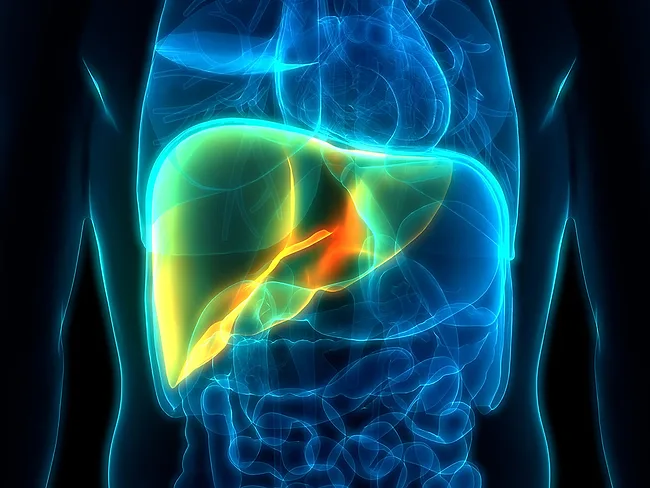
Oricell Therapeutics Holdings Ltd.’s glypican-3 (GPC3)-targeted autologous CAR T therapy, Ori-C101, is heading into a confirmatory registration phase II trial in patients with GPC3-positive advanced hepatocellular carcinoma, positioning it as the first GPC3-directed immune cell therapy – and the first CAR T therapy for liver cancer – to reach that stage of development.
Elixiron Immunotherapeutics Inc. announced positive interim open-label phase II Alzheimer’s disease (AD) study findings of enrupatinib, an oral brain-penetrant colony-stimulating factor 1 receptor inhibitor, with plans to move the asset into a biomarker-based and placebo-controlled study.
Takeda Pharmaceutical Co. Ltd.’s oral TYK2 inhibitor zasocitinib (TAK-279) demonstrated statistical superiority over Bristol Myers Squibb Co.’s first-in-class Sotyktu (deucravacitinib) in a top-line phase III Latitude Atlas readout of moderate to severe plaque psoriasis.
After raising HK$1.255 billion (US$160 million) in its IPO on the Hong Kong Stock Exchange earlier this month, Longbio Pharma Co. Ltd.’s lead candidate, LP-003, met the primary endpoint of total nasal symptom scores during peak pollen season in moderate to severe seasonal allergic rhinitis.
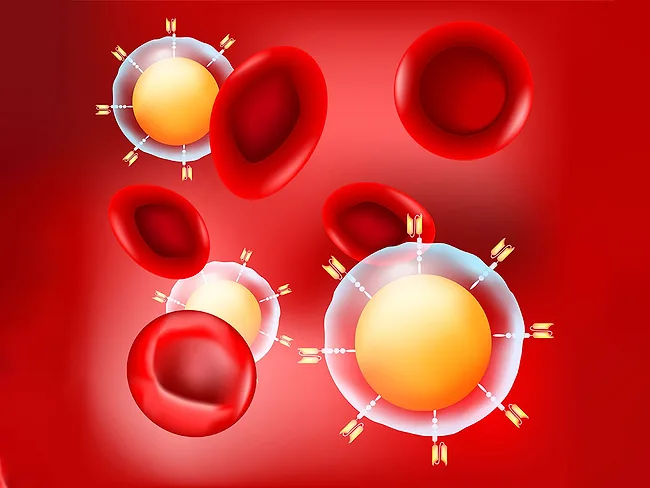
Treatment with first-generation CAR T cells regularly sent patients to the intensive care unit. Now, investigators are envisioning a future where CAR T treatment could occur on an outpatient basis.
After raising HK$1.255 billion (US$160 million) in its IPO on the Hong Kong Stock Exchange earlier this month, Longbio Pharma Co. Ltd.’s lead candidate, LP-003, met the primary endpoint of total nasal symptom scores during peak pollen season in moderate to severe seasonal allergic rhinitis.
Elixiron Immunotherapeutics Inc. announced positive interim open-label phase II Alzheimer’s disease (AD) study findings of enrupatinib, an oral brain-penetrant colony-stimulating factor 1 receptor inhibitor, with plans to move the asset into a biomarker-based and placebo-controlled study.
Backers of Boston-based Elicio Therapeutics Inc. may have jumped the gun as they ran away from the firm after data were made public from the phase II Amplify-7P study testing ELI-002 7P in adjuvant KRAS-mutation-driven pancreatic ductal adenocarcinoma (PDAC) following standard locoregional therapy. Wainwright analyst Robert Burns said the results are “more nuanced than they appear” and the sell-off represents “an attractive entry point” for investors. Shares (NASDAQ:ELTX) closed June 15 at $4.08, down $10.77, or 72%, in the wake of news that the trial missed the pre-specified primary endpoint of disease-free survival (DFS) in the intent-to-treat population.
 RSS
RSS