Wall Street met with satisfaction but not surprise Eli Lilly and Co.’s undeniably positive top-line results from the phase III Achieve-4 study testing the efficacy and safety of Foundayo (orforglipron) compared to insulin glargine in adults with type 2 diabetes and obesity or overweight at increased cardiovascular risk.
“Single drugs targeting single biological pathways are insufficient for complex diseases,” Remedy Cell Ltd. CEO Ayelet Dilion Mashiah told BioWorld. Remedy is taking a secretome-based approach to treat lung disorders, having moved its lead asset, RC-0315, into a first-in-human clinical trial for idiopathic pulmonary fibrosis (IPF) in January. Secretomes refer to the collection of bioactive molecules secreted by cells in the extracellular space, including proteins, enzymes, growth factors and extracellular vesicles such as exosomes.
Tr1x Inc. was founded with a simple but ambitious goal: to change how autoimmune and inflammatory diseases are treated, moving away from chronic treatment and toward durable cures. “We are trying to flip the script on regulatory T cells (Tregs),” Tr1x CEO David de Vries told BioWorld. “The goal is to reset the immune system rather than continuously suppress it, and we believe we have a unique technology to do that.”
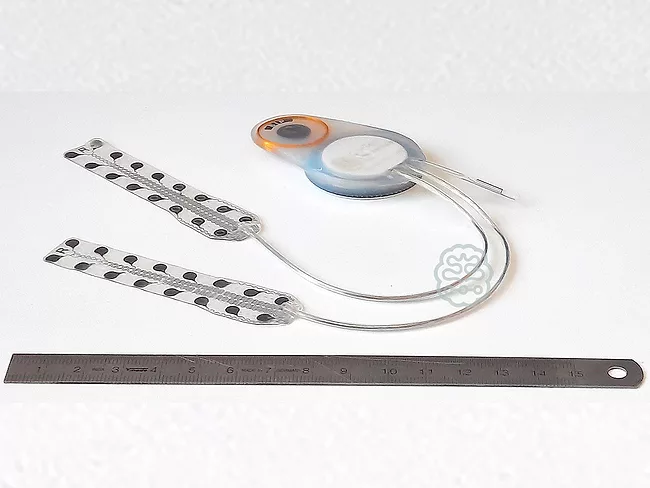
Cortec GmbH is preparing to implant its brain-computer interface (BCI) technology into a third stroke patient, with early clinical data showing that the device leads to significant improvement in hand and arm function. The company believes its Brain Interchange system could transform the lives of millions of patients.
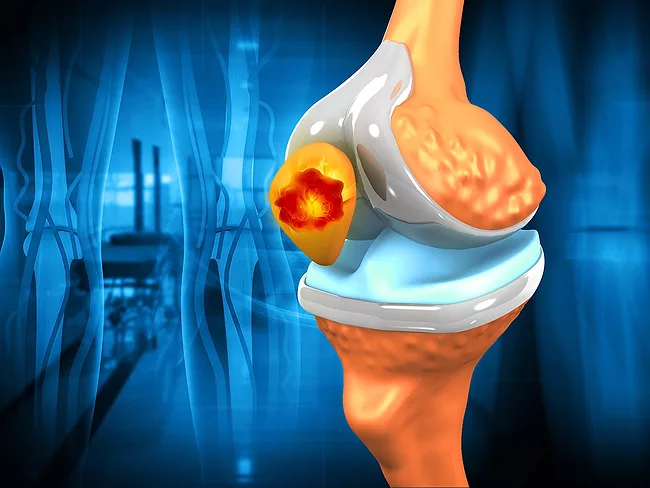
Synox Therapeutics Ltd. is preparing to file for FDA approval of emactuzumab in treating tenosynovial giant cell tumor (TGCT), after announcing positive top-line phase III results.
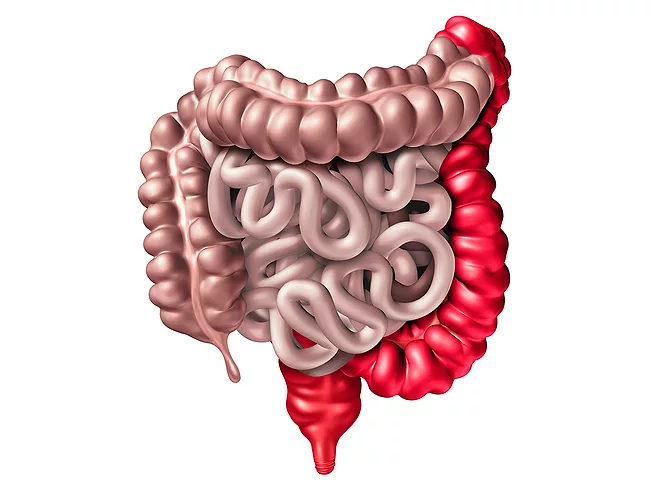
Spyre Therapeutics Inc. is off to a good start in its goal to create the best combination therapy for inflammatory bowel disease, a group of chronic, relapsing autoimmune conditions of the digestive tract that encompasses Crohn’s disease and ulcerative colitis. The Waltham, Mass.-based company estimates the market for IBD is currently at approximately $25 billion but will jump to around $40 billion in 2030.
“Home-run” efficacy and what Cowen analyst Tyler Van Buren called “pristine” safety in the phase II Alpha3 study with CAR T therapy cemacabtagene ansegedleucel (cema-cel) sent shares of Allogene Therapeutics Inc. (NASDAQ:ALLO) skyward to a $4.46 high, up nearly 64%, on April 13. Shares eventually closed at $3.06, up 34 cents.
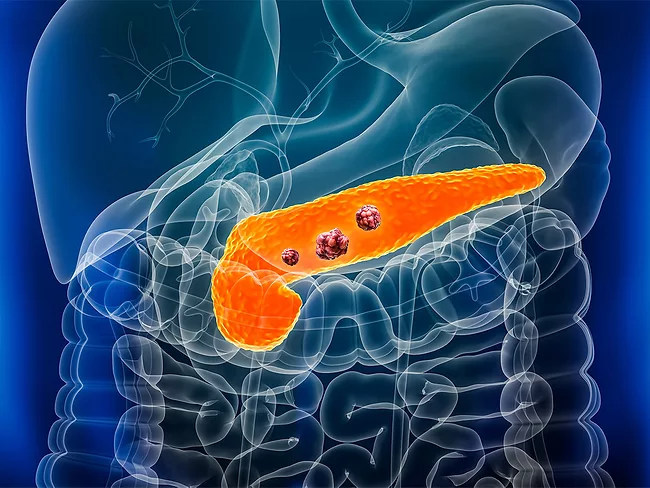
“Unprecedented,” “remarkable” and “transformative” were just a few of the descriptives tossed out by Wall Street analysts in response to Revolution Medicines Inc.’s phase III readout, showing RAS inhibitor daraxonrasib hit its overall survival and progression-free survival endpoints in previously treated patients with metastatic pancreatic ductal adenocarcinoma, setting up the company for potential regulatory filings this year and triggering another round of M&A speculation.
Amplia Therapeutics Ltd. has halted recruitment in its phase II Amplicity trial in advanced pancreatic cancer due to three dose-limiting toxicities related to the chemotherapy regimen, modified FOLFIRINOX (mFOLFIRINOX), which is being administered in combination with lead compound narmafotinib (AMP-945), a focal adhesion kinase inhibitor.
Deep molecular advances are enabling precision medicine for the field of hematology, Wyndham Wilson said during a plenary session at the 2026 Korean Society of Hematology International Conference March 26.
 RSS
RSS