With rezpegaldesleukin (rezpeg) phase IIb data in alopecia areata holding strong over time, backers of Nektar Therapeutics Inc. are hopeful that the biologic can do for the hair loss market what Dupixent (dupilumab, Regeneron Pharmaceuticals Inc./Sanofi SA) did in atopic dermatitis.
Xuanzhu Biopharmaceutical Co. Ltd. reported positive data from a local phase III study of dirozalkib (Xuan Fei Ning), an ALK inhibitor approved in China to treat patients with advanced non-small-cell lung cancer.
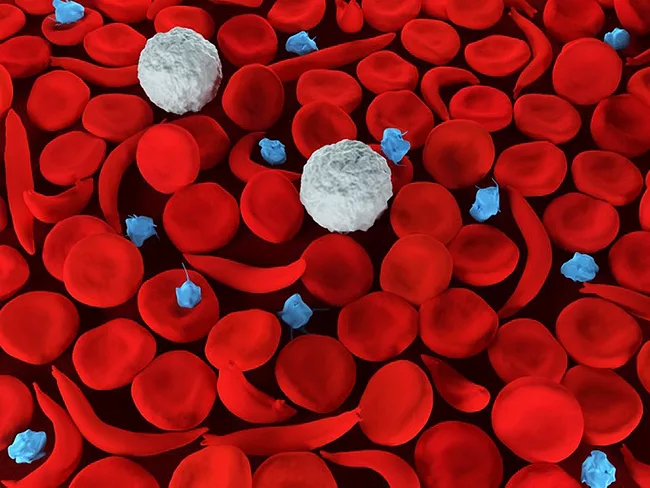
Novo Nordisk A/S reported top-line results from the phase III Hibiscus study of its pyruvate kinase-R activator, etavopivat, which was acquired through the 2022 buyout of Forma Therapeutics Holdings Inc. The results set up a potential competition for patients afflicted by sickle cell disease with fellow PKR activator mitapivat from Agios Pharmaceuticals Inc.
The quest by psychedelic drugs for full legitimacy in the pharmaceutical world has seen marked progress as well as (fewer) setbacks of late, and developers are hopeful that an important corner has been turned.
Delta-Fly Pharma Inc. is pressing ahead with discussions with the FDA for its lead acute myeloid leukemia (AML) candidate, radgocitabine (DFP-10917), despite a phase III miss on its primary endpoint, instead leaning on earlier-stage efficacy signals and emerging combination data to support a potential path toward conditional approval.
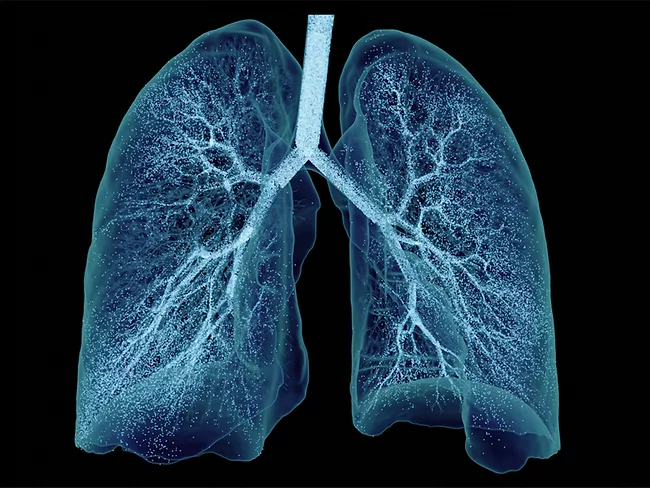
The ability of Ebenbuild GmbH’s digital twin technology to predict the deposition of inhaled drugs across the lungs has been validated in a study published in Nature Communications Medicine. The platform, which combines AI-driven image analysis and physics-based computational modeling, demonstrated strong agreement with in vivo imaging data across multiple inhalation scenarios.
Wall Street met with satisfaction but not surprise Eli Lilly and Co.’s undeniably positive top-line results from the phase III Achieve-4 study testing the efficacy and safety of Foundayo (orforglipron) compared to insulin glargine in adults with type 2 diabetes and obesity or overweight at increased cardiovascular risk.
“Single drugs targeting single biological pathways are insufficient for complex diseases,” Remedy Cell Ltd. CEO Ayelet Dilion Mashiah told BioWorld. Remedy is taking a secretome-based approach to treat lung disorders, having moved its lead asset, RC-0315, into a first-in-human clinical trial for idiopathic pulmonary fibrosis (IPF) in January. Secretomes refer to the collection of bioactive molecules secreted by cells in the extracellular space, including proteins, enzymes, growth factors and extracellular vesicles such as exosomes.
Tr1x Inc. was founded with a simple but ambitious goal: to change how autoimmune and inflammatory diseases are treated, moving away from chronic treatment and toward durable cures. “We are trying to flip the script on regulatory T cells (Tregs),” Tr1x CEO David de Vries told BioWorld. “The goal is to reset the immune system rather than continuously suppress it, and we believe we have a unique technology to do that.”
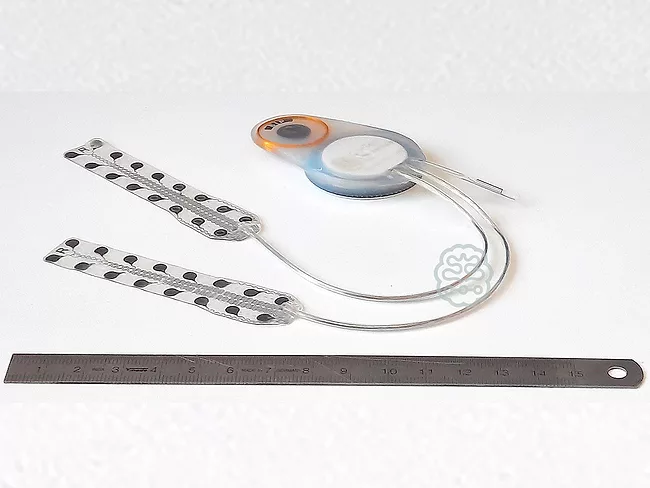
Cortec GmbH is preparing to implant its brain-computer interface (BCI) technology into a third stroke patient, with early clinical data showing that the device leads to significant improvement in hand and arm function. The company believes its Brain Interchange system could transform the lives of millions of patients.
 RSS
RSS