Livzon Pharmaceutical Group Inc.’s key interim data from the phase III trials of its recombinant SARS-CoV-2 fusion protein vaccine, V-01, has shown efficacy against the omicron variant. The phase III trial aims to evaluate the efficacy, safety and immunogenicity of V-01 as a booster in adults older than 18 after they have received two doses of inactivated vaccines.
Phase III data are due any day from Ascendis Pharma A/S, and Wall Street’s thoughts have turned to hypoparathyroidism (HPT), an indication fraught with questions in recent years.
Livzon Pharmaceutical Group Inc.’s key interim data from the phase III trials of its recombinant SARS-CoV-2 fusion protein vaccine, V-01, has shown efficacy against the omicron variant. The phase III trial aims to evaluate the efficacy, safety and immunogenicity of V-01 as a booster in adults older than 18 after they have received two doses of inactivated vaccines.
Glaxosmithkline plc has voluntarily paused a late-stage trial of its potential respiratory syncytial virus (RSV) maternal vaccine candidate in pregnant women following a safety warning. In a brief statement, the London-based firm said it also paused recruitment in two other trials investigating the drug in pregnant women.
Marker Therapeutics Inc.’s update from the safety lead-in stage of its phase II study of MT-401 in treating post-transplant acute myeloid leukemia saw response in one of the six participants. The results from the study of the multitumor-associated antigen-specific T-cell product also known as zelenoleucel saw firms such as Oppenheimer cut its target price for Marker to $5 from $8 and Piper Sandler to cut its target price from $5.50 to $4.
Modra Pharmaceuticals BV is planning to move its oral formulation of docetaxel into a pivotal trial, hoping to offer advanced prostate cancer patients a safer treatment option than intravenous chemotherapy. The Amsterdam, the Netherlands-based company has just announced phase IIb results in metastatic castration-resistant prostate cancer from ModraDoc-006/r, a tablet containing docetaxel and co-administered with ritonavir to enhance bioavailability.
A phase III study of Sage Therapeutics Inc.’s zuranolone in major depressive disorder hit not only its primary endpoint but also its key secondary endpoint. Despite that, the Cambridge, Mass.-based company’s share value (NASDAQ:SAGE) closed 17.4% lower Feb. 16, at $35.91 each.
Although diversity was front and center, it wasn’t the only reason the U.S. FDA’s Oncologic Drugs Advisory Committee voted 14-1 on Feb. 10 that additional clinical trials demonstrating applicability to the U.S. non-small-cell lung cancer population are needed before sintilimab, a PD-1 inhibitor partnered in the U.S. by Innovent Biologics Co. Ltd. and Eli Lilly and Co., is ready for approval.
More than 100 million people worldwide are thought to have post-acute COVID-19 syndrome, roughly 40% of everyone on the planet who’s had COVID. Now, thousands of them are beginning to cycle through clinical and preclinical studies designed to get a better look at this little understood aspect of the pandemic.
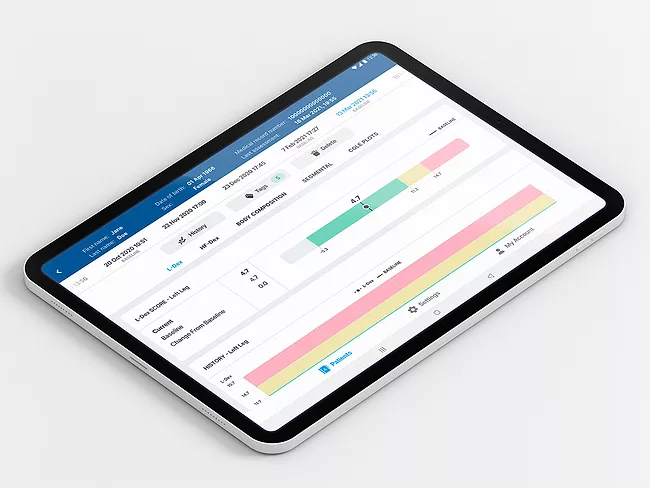
PERTH, Australia – Impedimed Ltd.’s L-Dex bioimpedance technology could quickly become the standard of care for measuring cancer-related lymphedema following clinical trial results that showed a 59% relative reduction in progression compared to the standard of care, Impedimed CEO Rick Carreon told BioWorld.

 RSS
RSS