Early clinical data from Simcere Pharmaceutical Group Ltd. suggest its PD-L1/IL-15 bispecific antibody, SIM-0237, could emerge as a next-generation contender in Bacillus Calmette-Guérin-unresponsive non-muscle-invasive bladder cancer.
What one analyst called an “intriguing” overall survival signal in phase III results has Karyopharm Therapeutics Inc. planning to meet with the U.S. FDA about a would-be sNDA filing for Xpovio (selinexor) in myelofibrosis (MF).
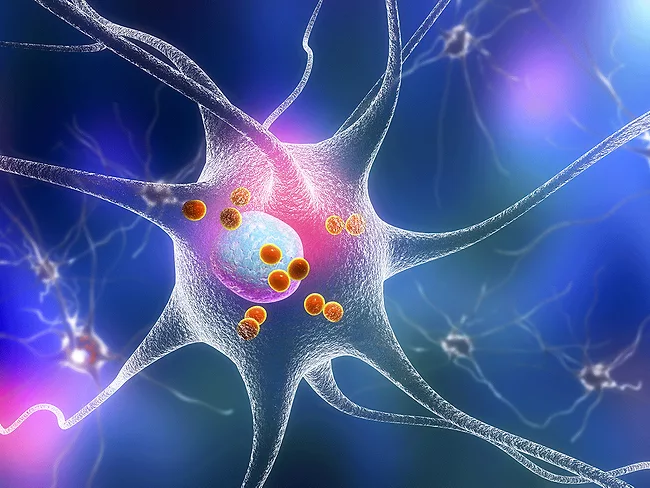
Oryon Cell Therapies, named after the Orion constellation used for navigation at night, emerged from stealth mode to announce a new round of funding and to present data from the phase Ib/IIa study of its neuron replacement therapy in patients with Parkinson’s disease at the 20th International Conference on Alzheimer’s and Parkinson’s Diseases.
In a competitive and still-needy space where Apogee Therapeutics Inc. CEO Michael Henderson noted that “even modestly differentiated products are quickly becoming blockbusters,” his firm’s IL-13 antibody zumilokibart (zumi, APG-777) has turned up satisfying phase II data in part A of the phase II atopic dermatitis (AD) experiment called Apex in moderate to severe disease. “We’re still digesting the data,” Henderson added, pointing out that the results proved better than Apogee expected at both time intervals tested.
Overall, results from the phase III Valor trial testing Lyme disease vaccine PF-07307405 “strengthen confidence” in the candidate, according to partners Pfizer Inc. and Valneva SE, with the big pharma now looking toward regulatory submissions. Investors, however, focused on the fact that the study, which demonstrated more than 70% efficacy in preventing Lyme disease in individuals, ages 5 and older, failed to hit the statistical criterion for the first prespecified analysis.
Further weight loss details are yet to come this year, but Eli Lilly and Co. scored positive top-line results in Transcend-T2D-1, a phase III trial evaluating the efficacy and safety of retatrutide, an investigational first-in-class GIP, GLP-1 and glucagon triple hormone receptor agonist, as an adjunct to diet and exercise in type 2 diabetes (T2D).
Early clinical data from Simcere Pharmaceutical Group Ltd. suggest its PD-L1/IL-15 bispecific antibody, SIM-0237, could emerge as a next-generation contender in Bacillus Calmette-Guérin-unresponsive non-muscle-invasive bladder cancer.
Atrogi AB is making a bid for a slice of the obesity market and has dosed the first overweight subjects with ATR-258, an oral therapy it says mimics the effects of exercise, driving loss of fat whilst sparing muscle.
The GLP-1 fight has moved from injectables to pills, and Structure Therapeutics Inc. is in the ring with phase III-ready aleniglipron. According to the Bay Area biotech, its oral once-daily glucagon-like peptide-1 (GLP-1) drug candidate, aleniglipron, demonstrated an absolute weight loss of “up to 39 pounds” in the 44-week Access II trial.
Australia has released the first clinical practice guideline for the appropriate use of methylenedioxymethamphetamine-assisted psychotherapy for post-traumatic stress disorder, but clinicians caution that evidence, infrastructure and access remain works in progress.
 RSS
RSS