Detailed Viktoria-1 results of Celcuity Inc.’s gedatolisib positions the pan-PI3K/mTORC1/2 inhibitor as a top contender for second-line treatment of HR+/HER2- PIK3CA wild-type advanced breast cancer – a multibillion-dollar indication in need of new treatments.
Neuphoria Therapeutics Inc.’s phase III study of social anxiety disorder has missed its primary and secondary endpoints, prompting the company to stop the program’s development and hold a full strategic review of its operations and portfolio. It’s the second stumble for lead candidate BNC-210, a negative allosteric modulator of alpha7 nicotinic acetylcholine receptor, in the indication.
While positive results from the investigator-led phase II CHOPIN trial at the 2025 European Society of Medical Oncology (ESMO) Annual Congress being held in Berlin failed to get investors dancing, they were no doubt music to management’s ears, particularly with Delcath Systems Inc.’s third quarter earnings report missing a beat.
Despite a recent stock surge, Olema Oncology Inc. shares (NASDAQ:OLMA) slipped 17% on Oct. 20 to close at $7.77 each in the wake of updated and positive phase Ib/II results for palazestrant, the company’s metastatic breast cancer drug.
Much-awaited detailed data from Exelixis Inc.’s phase III Stellar-303 study of zanzalintinib, presented at the European Society for Medical Oncology meeting, showed the third-generation, oral tyrosine kinase inhibitor in combination with Tecentriq (atezolizumab, Roche AG) reduced the risk of death by 20% vs. Stivarga (regorafenib, Bayer AG) in patients with previously treated non-microsatellite instability (MSI)-high metastatic colorectal cancer and are expected to pave the way for an NDA filing later this year.
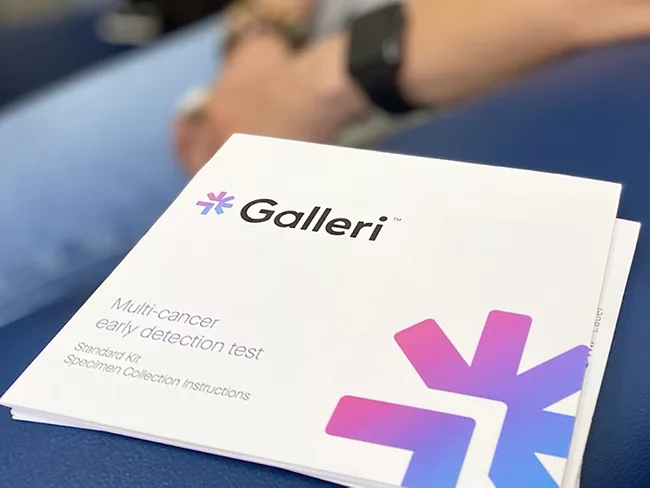
Grail LLC has presented data showing that when added to standard screening procedures for breast, cervical, colorectal and lung cancers, its Galleri circulating tumor DNA test led to a sevenfold increase in the number of cancers detected.
Boston Scientific Corp. moved to acquire the balance of Nalu Medical Inc. in a $533 million cash deal, expanding its chronic pain portfolio with the addition of peripheral nerve stimulation. The Nalu neurostimulation system delivers mild electrical impulses to interrupt aberrant pain signals from nerves in the shoulder, knee and lower back before they reach the brain.
Total arterial revascularization (TAR) might not be the most popular approach to coronary artery bypass grafting (CABG), but it is gaining in popularity according to a new study appearing in the Journal of the American College of Cardiology. The authors said that TAR provides superior mortality outcomes compared to bypass grafting that relies on both veins and arteries for graft materials, a finding that might suggest lower rates of downstream angioplasty and stenting.
There was a curate’s egg for Sanofi SA from this month’s meeting of the EMA’s Committee for Medicinal Products for Human Use, with a recommendation to approve one of the French pharma’s drugs – and the rejection of another.
Aicuris Anti-Infective Cures AG is preparing to file for U.S. FDA approval after reporting positive phase III results for lead antiviral pritelivir in the healing of refractory herpes simplex virus lesions in immunocompromised patients.

 RSS
RSS