Grail Inc.’s share price dropped more than 50% in premarket trading Feb. 20 after it reported late the day before that the NHS-Galleri trial did not meet its primary endpoint. The U.K study, done though the National Health Service with 142,000 individuals enrolled, evaluated the ability of Grail’s Galleri multicancer early detection test to look for cancer-specific methylation patterns in blood.
Ocular Therapeutix Inc.’s wet age-macular degeneration candidate, Axpaxli, beat anti-VEGF therapy Eylea (aflibercept) from Regeneron Pharmaceuticals Inc. in the phase III head-to-head trial called Sol-1, but not by enough of a margin for Wall Street. Shares of the firm (NASDAQ:OCUL) closed Feb. 17 at $6.99, down $1.89, or 21%, as investors mulled the top-line findings.
Positive results from the second of two phase III trials set Compass Pathways plc’s synthetic psilocybin treatment, COMP-360, on track for a potential U.S. FDA approval within a year as the first classic psychedelic cleared for treatment-resistant depression.
Agios Pharmaceuticals Inc. is preparing to present a mixed bag of phase III Rise Up data to the U.S. FDA in hopes of “full approval” for mitapivat in sickle cell disease (SCD), which would make it its third indication in rare hematology.
A world-first pediatric mRNA cancer vaccine trial is launching in Australia that could open new possibilities for children with aggressive brain tumors. The Paedneo-Vax trial, funded by Canada’s Providence Therapeutics Holdings Inc., in combination with the Australian Government and philanthropic donors, is the first multisite pediatric study to evaluate individualized mRNA vaccines designed specifically for each child's cancer.
Viking Therapeutics Inc. said after-market hours Feb. 11 that it plans to advance its oral dual GLP-1/GIP receptor, VK-2735, into a phase III trial for obesity in the third quarter of 2026. VK-2735 is a novel dual glucagon-like peptide-1 and glucose-dependent insulinotropic polypeptide (GLP-1/GIP) receptor agonist.
Bridgebio Pharma Inc. kept the phase III wins coming, this time with positive top-line results from Propel 3, the global phase III pivotal study of oral infigratinib, designed to inhibit FGFR3 signaling in children with achondroplasia.
Ascletis Pharma Inc. raised HK$843.53 million (US107.93 million) in a placement on the Hong Kong Stock Exchange to advance its lead program, ASC-30, a small-molecule glucagon-like peptide-1 (GLP-1) receptor agonist that can be dosed once monthly subcutaneously and once daily orally for treating obesity.
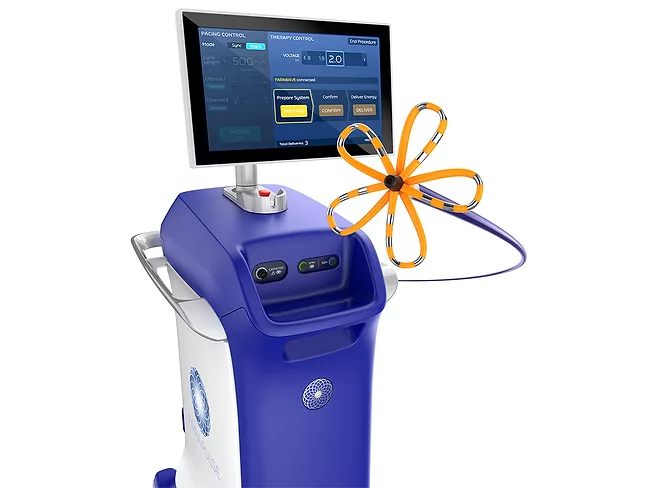
Boston Scientific Corp. recently reported new four-year data on its Farapulse pulsed field ablation platform, which demonstrated that patients with paroxysmal atrial fibrillation achieved better long-term success than those treated with thermal ablation. The data come as sales of the Farapulse system in the U.S. have begun to slow amid rising competition from other PFA technologies, particularly Medtronic plc’s Affera platform.
Microbiome specialist Microbiotica Ltd. announced positive data from a phase Ib study of MB-310, an orally administered live biotherapeutic product for treating ulcerative colitis, with 12 of 19 treated patients achieving clinical remission, compared to three of 10 patients in the placebo arm.
 RSS
RSS