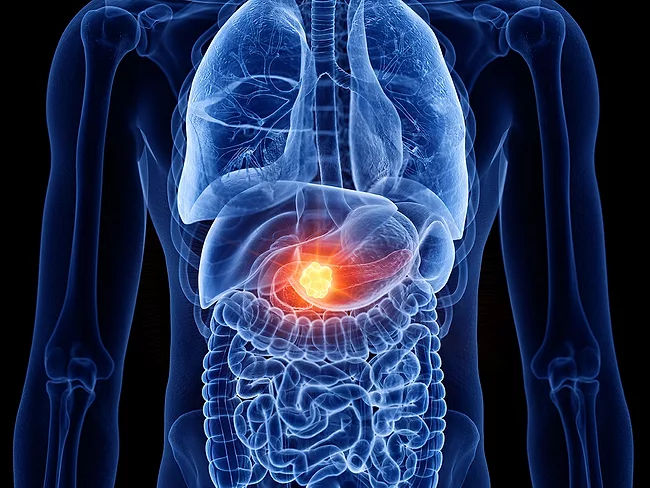
Nailing down what Oppenheimer analyst Jay Olson characterized as “a trifecta,” Immuneering Corp. unveiled positive updated survival and safety data from the ongoing phase IIa trial testing oral, once-daily MEK inhibitor atebimetinib (IMM-1-104) in combination with modified gemcitabine/nab-paclitaxe in first-line pancreatic cancer patients.
Hansa Biopharma A/S has turned in positive data from a pivotal U.S. phase III trial of imlifidase, an enzyme that speedily removes antibodies from the bloodstream, enabling highly sensitized kidney patients to have transplants.
Billiontoone Inc.’s Unity Fetal Risk screen identifies fetuses at high risk for cystic fibrosis (CF), a study published in Journal of Cystic Fibrosis found.
After a phase III stumble, Acadia Pharmaceuticals Inc. will drop development of ACP-101, intranasal carbetocin, to treat hyperphagia in patients with the rare genetic disorder Prader-Willi syndrome. Top-line data from the 12-week, double-blind, randomized phase III study missed its primary endpoint by not producing a statistically significant improvement over placebo.
Uniqure NV rang the bell with a best-case scenario in the pivotal phase I/II study with AMT-130 for the treatment of Huntington’s disease, and shares of the Amsterdam-based firm (NASDAQ:QURE) closed Sept. 24 at $47.50, up $33.84, or 248%. The study met its prespecified primary endpoint, with high-dose AMT-130 turning up a statistically significant slowing of disease progression as measured by the composite Unified Huntington’s Disease Rating Scale at 36 months compared to a propensity score-matched external control.
Amyotrophic lateral sclerosis (ALS), formerly known as Lou Gehrig’s disease, is a progressive and fatal neurodegenerative disorder with no known cure. While three therapies have gained U.S. FDA approvals to date, including Rilutek (riluzole), Radicava/Radicava ORS (edaravone) and tofersen (BIIB-067, the lack of a disease-modifying drug has spurred the continual search for novel therapies.
Patients with relapsed/refractory multiple myeloma (r/r MM) treated with Carsgen Therapeutics Holdings Ltd.’s CAR T therapy, zevorcabtagene autoleucel (zevor-cel, CT-053), have shown durable responses lasting nearly five years.
Beijing QL Biopharmaceutical Co. Ltd.’s once-monthly GLP-1 receptor agonist, zovaglutide (ZT-002), met its primary and secondary endpoints in a phase II obesity trial, and QL Biopharm will now advance the GLP-1 to a pivotal phase III study.
The Royal College of Psychiatrists in the U.K. has published its first-ever guidance to support research into psychedelic drugs as therapies for conditions including treatment-resistant depression, substance abuse disorders and posttraumatic stress disorder, saying that in a fast-moving field there is a risk of jumping ahead of the evidence.
Two recent studies should provide comfort to medical device manufacturers who develop tools and devices for bariatric surgery. Patients who undergo bariatric surgery lost nearly three times more weight than those who received prescriptions for glucagon-like peptide-1 receptor agonists (GLP-1 RA) or GLP-1/gastric inhibitory polypeptide (GIP) receptor agonists in a real-world, retrospective study published in JAMA Surgery.
 RSS
RSS