At the 61st American Society of Clinical Oncology (ASCO) Annual Meeting, multiple companies presented clinical trial data showing their drugs and devices helped patients with pancreatic cancer live longer or improve their ability to respond to treatment.
Despite the advancement of AI and machine learning technologies and their incorporation into cancer treatment and drug development, a lack of trust and understanding of these new approaches is impeding care and treatment.
Investor hopes rose sharply for Merus NV’s phase III trials – data should roll out next year – with bispecific antibody petosemtamab after mid-stage results impressed Wall Street in head and neck squamous cell carcinoma. Shares of Utrecht, the Netherlands-based Merus (NASDAQ:MRUS) jumped, too, closing May 23 at $55.14, up $13.54, or 33%, on interim data as of the Feb. 27 cutoff date.
Gene and cell therapies (GCTs) can target the kidney to treat congenital, acute or chronic diseases affecting this organ. However, its complex structure poses a challenge for these technologies. To be precise and effective in the long term, new approaches should circumvent the specificities of renal tissue, with novel methods of delivery and gene transfer to offer new therapeutic options for patients who lack them.
Using a customized gene editing therapy, researchers at the Children’s Hospital of Philadelphia have reported success in treating an infant with a severe metabolic disorder. Kiran Musunuru, Barry J. Gertz Professor for Translational Research in the University of Pennsylvania’s Perelman School of Medicine, presented the case at the American Society of Gene and Cell Therapy’s 2025 annual meeting. The case study was simultaneously published in The New England Journal of Medicine.
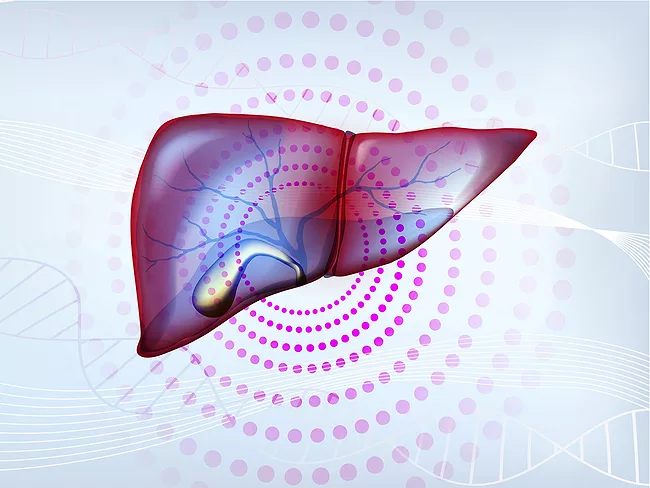
Immunity is not a function most people particularly associate with the liver. But because of its connection to the gut, the liver is exposed to bacterial metabolites as few other organs are. And when either the liver or the gut is not functioning well, it can adversely affect immunity as well. The liver is connected to the gut via both the biliary system and the portal vein. Those two conduits allow metabolites from the gut microbiome to influence what’s going on in the liver. Both liver and gut damage can affect this communication for the worse. And surprisingly, one of the consequences is immune dysfunction.
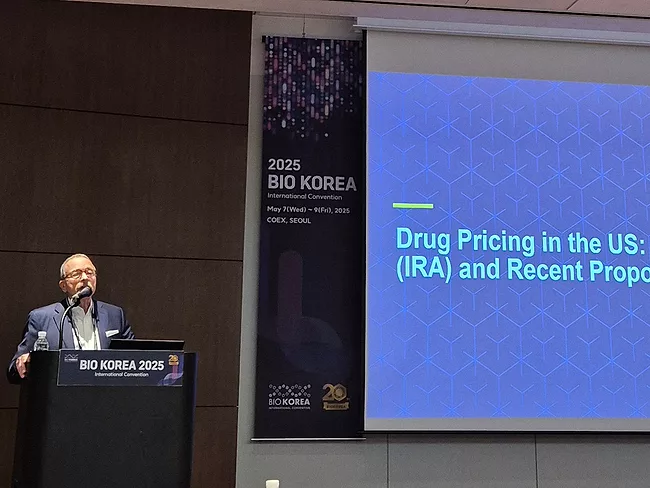
Ongoing policy issues in the U.S., including the Inflation Reduction Act and recent proposals under President Donald Trump’s administration, have wide ranging implications for the global biopharmaceutical industry, speakers at Bio Korea 2025 said May 8, including a heightened need for all biotechs to draft regulatory strategies.
“I’m a pediatrician in metabolic diseases, and every day in my clinical work I’m confronted with our lack in effective therapies for our patients.” That was the sobering introduction by Sabine Fuchs in her talk at the 2025 Congress of the European Association for the Study of the Liver in Amsterdam this week. The nature of metabolic diseases makes it difficult to develop treatments for them. “There are over 1,500 diseases known by now, and it is just very difficult to develop therapies for each and every individual rare disease.”
Targeted protein degradation has yet to notch its first approval. But with more than two dozen agents now in clinical trials, the strategy’s ultimate clinical validation appears to be a matter of time.
Clinical results offered at the recent meeting of the American Urological Association in Las Vegas signal that better treatments may lie ahead for non-muscle invasive bladder cancer.

 RSS
RSS