It may be a small country, but Lithuania has lofty ambitions. The Baltic country is emerging as one of Europe’s rising life science stars, with annual growth of 22% and targeting 5% of its GDP to be generated by the life sciences sector in 2030. Export of medical devices has also doubled since 2008, with majority of the country’s production reaching the U.K., France, Russia, Spain and the U.S.
DUBLIN – Allarity Therapeutics A/S plans to file an NDA with FDA for dovitinib in renal cell carcinoma (RCC) in the fourth quarter this year, after unveiling a new analysis at the European Society for Molecular Oncology’s virtual congress, which suggest that its companion diagnostic, DRP, can identify patients who obtain a survival benefit from the therapy.
Driven by advances in scientific understanding, the treatment of non-small-cell lung cancer (NSCLC) has begun to see successes one subtype at a time. At the 2021 World Conference on Lung Cancer (WCLC), which is currently being held in virtual format, researchers were optimistic that the same path would be possible for small-cell lung cancer (SCLC).
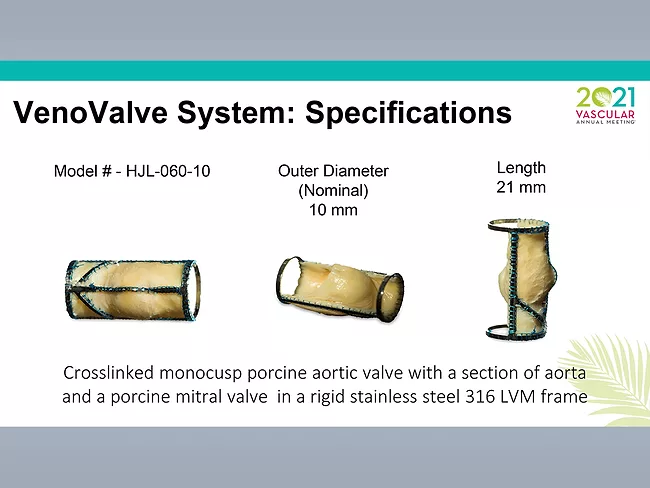
Jorge Ulloa of Hancock Jaffe Laboratories Inc. presented positive results from a first-in-human trial of implantation with its Venovalve device at the Society for Vascular Surgery annual meeting in San Diego. Two years following surgery, outcomes included more than 60% improvements in reflux and disease manifestations and 93% decrease in pain in patients with chronic venous insufficiency with no safety issues or venous ulcer recurrences.
Catheter ablation for atrial fibrillation has enjoyed an uneven reputation at best over the years, but the prospect of eliminating anti-arrhythmic drugs has proven difficult for both patients and clinicians to ignore. A new analysis of data from the Catheter Ablation vs. Antiarrhythmic Drug Therapy for Atrial Fibrillation (CABANA) study seems to answer the cost effectiveness question for ablation, however, representing yet another piece of evidence that should support increased sales of these devices in the coming years.
The biotech industry in Asia is a promising market, but it still has a long way to go to narrow the gap between Asian and Western markets, according to speakers on day two of the BIO Asia-Taiwan Conference 2021.
Grail Inc. reported on June 4 the first results of its Pathfinder study evaluating its assay for the early detection of 50 cancers, showing a positive predictive value of 44.6%. With a total of 6,629 study participants across more than 140 clinical study sites, the blood test is supported by what the health care company believes to be the “largest clinical study program in genomic medicine.”
The American Society for Clinical Oncology’s (ASCO) virtual annual meeting began June 3 with the release of late-breaking abstracts, including LBA-1 on “Olympia: A phase 3, multicenter, randomized, placebo-controlled trial of adjuvant olaparib after (neo)adjuvant chemotherapy in patients with germline BRCA1 and BRCA2 mutations and high risk HER2-negative primary breast cancer.”
Collectively, lysosomal storage disorders (LSDs) are caused by malfunctions in metabolic enzymes in the lysosome system. Depending on which enzyme is missing, toxic metabolites accumulate. While the LSDs are highly heterogenous – even within one disease, presentation can vary widely – neurodegeneration is a common feature in these disorders.
Multinational players are changing the way they look at China as a source for innovation as it accelerates efforts in areas such as digital health in pursuit of desire to make a global impact.

 RSS
RSS