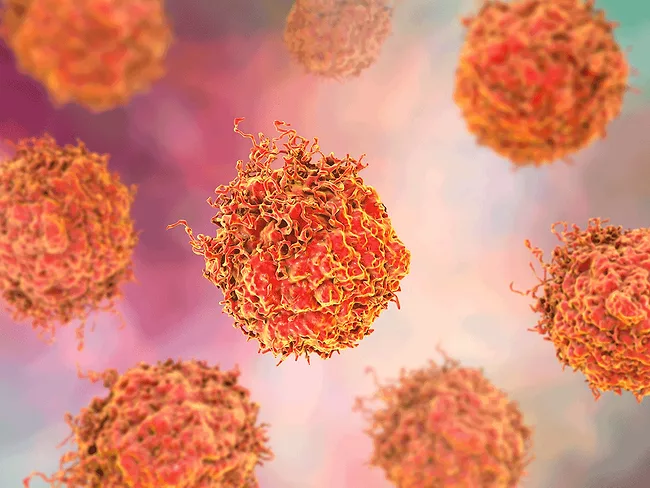
With Pharmabcine Inc.’s anti-angiogenic antibody TTAC-0001 (olinvacimab) already in testing against recurrent glioblastoma multiforme (GBM) and metastatic triple negative breast cancer, CEO Jin-San Yoo is now giving serious thought to starting trials to test it in children with brain tumors. Plans to begin four additional trials between the end of 2021 and the beginning of 2022 are also underway.
At the 2021 virtual annual meeting of the American Society for Clinical Oncology (ASCO), results of the VISION trial testing the addition of Novartis AG’s radiopharmaceutical Lutetium-177-PSMA-617 (Lutetium-PSMA) to individualized standard-of-care regimens in metastatic castration-resistant prostate cancer improved both overall survival and radiographic progression-free survival.
Data presented at the American Society of Clinical Oncology's annual meeting, including: Antengene, Beigene, Coherus, Daiichi Sankyo, Hutchison China Meditech, Immutep, Innocare, Innovent Biologics, Junshi, Lyvgen, Origincell, Yingli.
With the advent of targeted therapies, cancer drugs have made strides in safety as well as efficacy. Still, because of the life threatening nature of the illness, safety is less of a focus in cancer drugs than other therapy types.
While partnering activities reached new highs in 2020, Chinese biopharma players found it more difficult to snatch good deals in a more competitive landscape. They now need to act faster and do more preparation work to seize partnering opportunities, panelists said at the Chinabio Partnering Forum.
Venture capitalists in China are adopting different models to quickly create value from biopharma companies and are able to exit much faster than their U.S counterparts, new data suggest.
Multinational players are changing the way they look at China as a source for innovation as it accelerates efforts in areas such as digital health in pursuit of desire to make a global impact.
 RSS
RSS