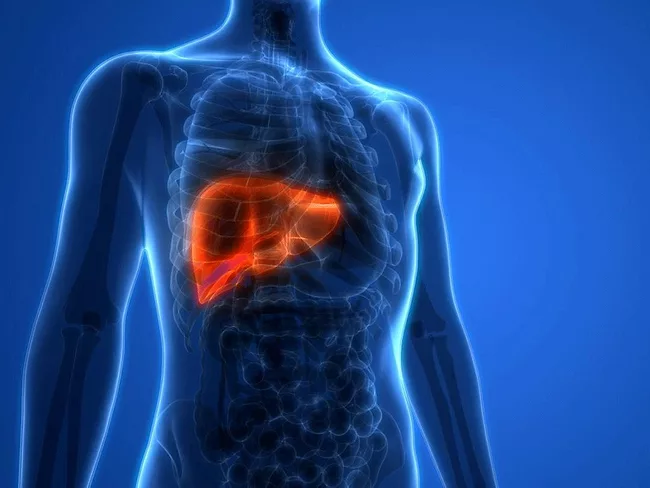
One of the characteristics of chronic hepatitis B virus (HBV) infection is T-cell exhaustion, which, in turn, is mediated by the PD-1/PD-L1 axis. Researchers at Oligo Therapeutics Inc. reported on ALG-072571, a potent siRNA PD-L1 inhibitor active against HBV infection mouse models.
Nonalcoholic steatohepatitis (NASH) is the most severe form of nonalcoholic fatty liver disease, where in addition to the accumulation of fat in the liver, there is also chronic inflammation and hepatocyte injury. With no therapy approved yet, selective thyroid hormone receptor-β (THR-β) agonism has yielded good results in ongoing clinical development.
Recent studies in chronic hepatitis B patients have shown that bepirovirsen, an antisense oligonucleotide (ASO), may be considered a suitable option for the treatment of hepatitis B virus (HBV) infection.
New and updated clinical data presented by biopharma firms at the European Association for the Study of the Liver Congress, including: 89bio, Arrowhead, Mirum, Takeda, Vir.
New and updated clinical data presented by biopharma firms at the American Diabetes Association's 83rd Scientific Sessions, including: Biomea, Carmot, Eli Lilly, Inversago, Novo, Sernova, Vertex, Zealand.
Cyclophilins are a group of proteins involved in cell metabolism and homeostasis. One of the members, CypD, is located in mitochondria and plays an important role as a regulator of mitochondrial permeability transition (mPT) and necrotic cell death resulting in persistent mPT opening that, in turn, leads to hepatic ischemia/reperfusion injury (IRI).
Merck & Co. Inc. has reported the development of a novel monobactam for use in combination with its class A/C β-lactamase inhibitor (BIL) relebactam (MK-7655) in order to achieve the broadest activity against multidrug-resistant (MDR) gram-negative pathogens that express a variety of β-lactamases. The in vitro efficacy of the combination of the monobactam – MSD-045934942 – against a panel of MDR and non-MDR gram-negative bacteria was evaluated using in vitro broth microdilution testing.
Glucagon-like peptide-1 (GLP-1) is a hormone that both acts as a satiety signal in response to food intake and also stimulates insulin release and inhibits glucagon secretion in response to food ingestion. Researchers at Terns Pharmaceuticals Inc. have presented preclinical data on TERN-601, a GLP-1 receptor (GLP-1R) agonist, in humanized GLP-1R (hGLP-1R) mouse models.
Current therapeutic options for chronic hepatitis B virus (HBV) are not effective for all patient subsets and, due to their lack of specificity, often provoke toxicity and off-target effects. CD8+ T cells are essential in the fight against viruses but in chronically HBV-infected patients, these cells become unproductive and difficult to detect. At the recent Annual Meeting of the European Association for the Study of the Liver (EASL), Matteo Iannacone, professor of Pathology and Immunology from IRCCS San Raffaele in Milano, presented a novel interleukin 2 (IL-2)-based immunotherapy approach that used a modular cis-targeting platform to tackle HBV infection specifically in patients suffering from chronic viral infection.

 RSS
RSS