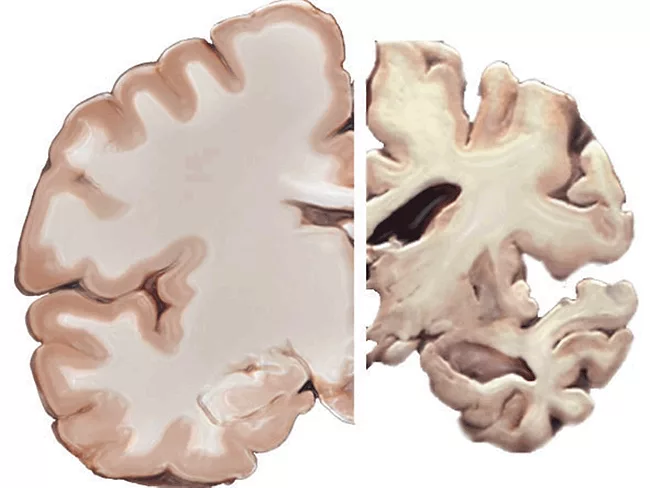
Reduced expression of nuclear factor erythroid 2-related factor 2 (Nrf2) is observed in humans and animal models of Alzheimer’s disease (AD), with its activation being a promising therapeutic approach.
Researchers from Helmholtz-Zentrum Dresden-Rossendorf presented the discovery of novel small molecule-based radiotracers for PD-L1 PET or SPECT imaging.
At the Saturday, Oct. 22 session, ‘Basic Science: Correlates of protection, immune response and the host-microbe interaction,’ of the IDWeek 2022 infectious disease conference, moderator Luiz Bermudez, professor at Oregon State University, introduced the latest advances to prevent infections with Treponema pallidum during neurosyphilis (NS), Staphylococcus aureus and osteomyelitis, and Mycobacterium tuberculosis during influenza.
New and updated preclinical and clinical data presented by biopharma firms at the American College of Gastroenterology (ACG) Annual Scientific Meeting, including: Bristol Myers Squibb, Finch, Johnson & Johnson, Phathom.
RNA binding fox-1 homologue 1 (RBFOX1) is a splicing factor that regulates alternative splicing and modulates the expression of several genes involved in brain development, and it is among the top identified loci related to psychiatric disorders.
Rational drug design based on EPI-X4, endogenous antagonist of C-X-C motif chemokine receptor (CXCR4), led to the identification of optimized analogues named JMF-01 to JMF-07, which demonstrated increased antagonistic activity.
 RSS
RSS