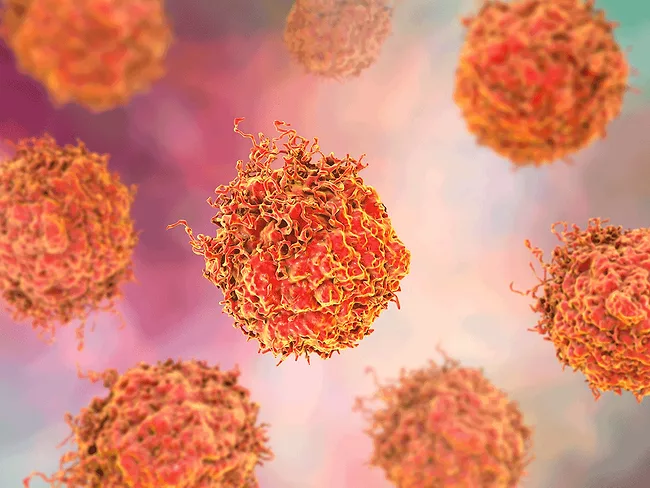
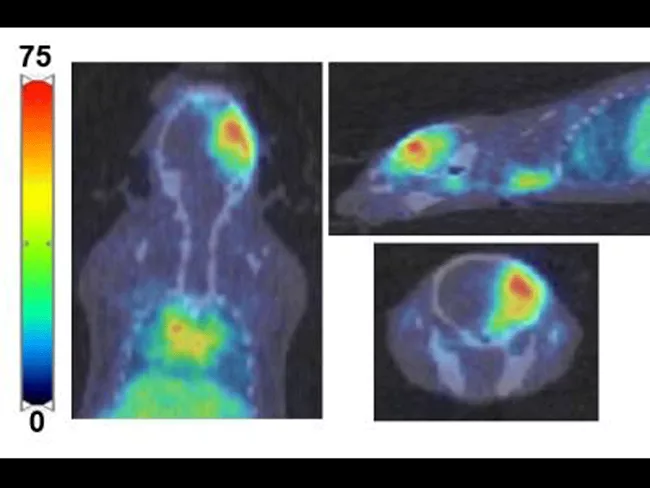
The British Columbia Cancer Agency recently discussed their research efforts toward the discovery of new radiotherapeutic agents for the treatment of prostate cancer.
At the Saturday, Oct. 22 session, ‘Basic Science: Correlates of protection, immune response and the host-microbe interaction,’ of the IDWeek 2022 infectious disease conference, moderator Luiz Bermudez, professor at Oregon State University, introduced the latest advances to prevent infections with Treponema pallidum during neurosyphilis (NS), Staphylococcus aureus and osteomyelitis, and Mycobacterium tuberculosis during influenza.
Carcinoembryonic antigen (CEA) is an antigen that is overexpressed in colorectal cancers and is considered a suitable target for its treatment. Uppsala University discussed research in the development of the lutetium-177-radiolabeled anti-CEA hT84.66-M5A monoclonal antibody (MAb) 177Lu-DOTA-M5A for the treatment of colorectal cancers and its combination studies with the HSP90 inhibitor onalespib.
At the recent EANM meeting, Point Biopharma Global Inc. presented preclinical details on the development of 177Lu-PNT2001 and 225Ac-PNT2001 for the treatment of prostate cancer.
The suboptimal metabolic stability of radiolabeled gastrin-releasing peptide receptor (GRPR) antagonists has been a hindering factor of these promising theranostic candidates for prostate cancer. Uppsala University researchers have recently reported the development of [111In]DOTAGA-PEG-2-SAR11-RM-26, after replacement of Gly11 by Sar11 in the peptidic chain.
University of Calgary scientists described their work on a small peptide aptamer 8 to bind cellular prion protein and prevent its binding with β-amyloid oligomers, an interaction that activates tyrosine-protein kinase Fyn and neuroinflammation.
Recent studies have pointed to the role of GPR39 expression in antidepressant treatment, but little is known about the interactions between specific receptors.
Investigators have developed α-therapeutic thorium-227-labeled DUNP19 ([227Th]Th-DUNP19), an antibody-conjugated radiopharmaceutical with high specificity and affinity to LRRC15.
Researchers have detailed the development and preclinical characterization of a novel heterobivalent radiotracer targeting prostate-specific membrane antigen (PSMA) and the gastrin-releasing peptide receptor (GRPR).
C2orf82, also known as small novel rich in cartilage (SNORC), is a gene located on chromosome 2 that is known to play a role in chondrocyte maturation.
 RSS
RSS