A flurry of deals focused on the neurological disease space in 2026 suggest large biopharma companies are searching for the next best therapeutics for everything from epilepsy and narcolepsy to post-traumatic stress disorder and hyperphagia.
Chengdu Kanghong Pharmaceutical Group Co. Ltd. is developing a nonopioid Nav1.8 inhibitor, KHN-702. The effects of KHN-702 were evaluated both in vitro and in vivo, in a plantar incision pain model, and results were presented at the recent American Academy of Neurology meeting in Chicago.
At the recently concluded meeting of the American Academy of Neurology, Synendos Therapeutics AG reported preclinical data from the pharmacological characterization of SYT-510, which is the first selective endocannabinoid reuptake inhibitor (SERI) to enter the clinic for the potential treatment of disorders affecting the CNS, such as anxiety or movement disorders. A new class of endocannabinoid system (ECS) modulators, SERIs potently and selectively inhibit endocannabinoid reuptake to help the ECS restore normal brain function under disease conditions.
Optimism rose for what could be the first CAR T therapy in autoimmune disease as Kyverna Therapeutics Inc. made public a positive primary analysis from its registrational trial, KYSA-8, of mivocabtagene autoleucel (miv-cel, KYV-101) in stiff-person syndrome. Kyverna plans to submit a BLA to the U.S. FDA in the first half of this year.
Researchers from Xenon Pharmaceuticals Inc. described the preclinical efficacy of XPC-837 in models of Dravet syndrome, a severe developmental and epileptic encephalopathy most commonly caused by de novo loss of function mutations in the SCN1A gene.
Vanda Pharmaceuticals Inc. presented data this week at the annual American Academy of Neurology conference regarding allele-specific antisense oligonucleotides (ASOs) that specifically target the mutant p.A53T allele from the SNCA gene while preserving the expression of the wild-type allele. The mutant allele is associated with increased risk of early-onset Parkinson’s disease (PD) and current ASOs target SNCA regardless of its mutation status.
Watchers of the percolating myasthenia gravis space are waiting eagerly for data from Dianthus Therapeutics Inc.’s phase II Magic study testing DNTH-103, an active C1s inhibitor, compared to placebo in patients with anti-AChR-positive generalized disease.
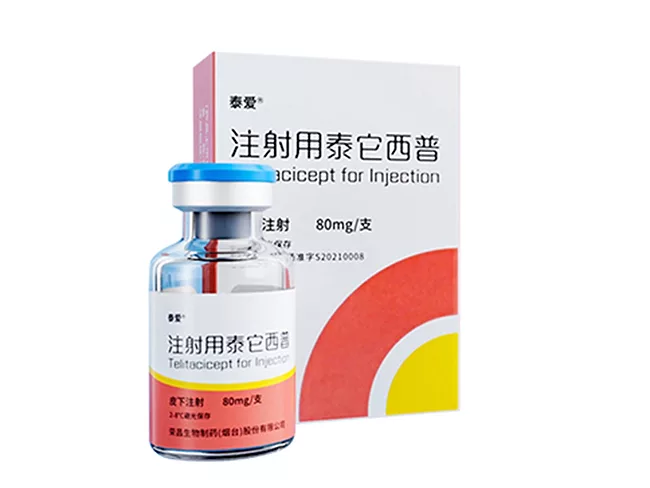
Remegen Co. Ltd. emerged as a surprise challenger in the generalized myasthenia gravis space, unveiling positive phase III data of its China-approved lupus drug, telitacicept (RCT-18; Tai’ai), in the rare autoimmune neuromuscular disorder at the 2025 American Academy of Neurology conference.
As developers continue to search for better amyotrophic lateral sclerosis (ALS) therapies, Neurosense Therapeutics Ltd. turned up some hopeful findings from its phase IIb Paradigm trial with PrimeC. The drug, a combination therapy (ciprofloxacin and celecoxib) designed to target multiple ALS pathways, is having salutary effects on microRNA modulation (miRNA), Neurosense said, with the study showing a “profound and consistent” downregulation of 161 mature miRNAs across all time points in the double-blind period of the experiment.
Remegen Co. Ltd. emerged as a surprise challenger in the generalized myasthenia gravis space, unveiling positive phase III data of its China-approved lupus drug, telitacicept (RCT-18; Tai’ai), in the rare autoimmune neuromuscular disorder at the 2025 American Academy of Neurology conference.
 RSS
RSS