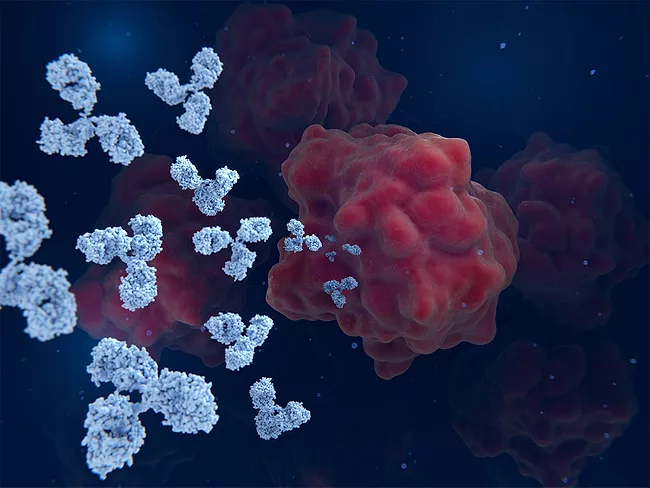
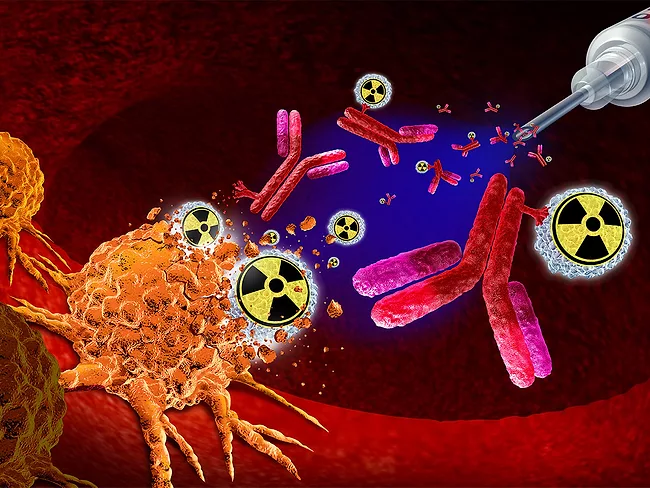
Researchers from Mabqi SAS presented the preclinical profile of MQI-181, an antibody-drug conjugate (ADC) composed of a human anti-CD30 antibody (18D03) linked to the cytotoxic payload monomethyl auristatin E (MMAE) via a cleavable MC-VC-PAB linker, with a drug-antibody ratio of 4.
Multispecifics took center stage at this year’s ESMO TAT, emerging as one of the hottest trends in oncology research. Unlike traditional small-molecule drugs or monoclonal antibodies that typically target a single protein, multispecific compounds are engineered to harness multiple mechanisms of action within a single molecule. They orchestrate biology rather than just blocking it.
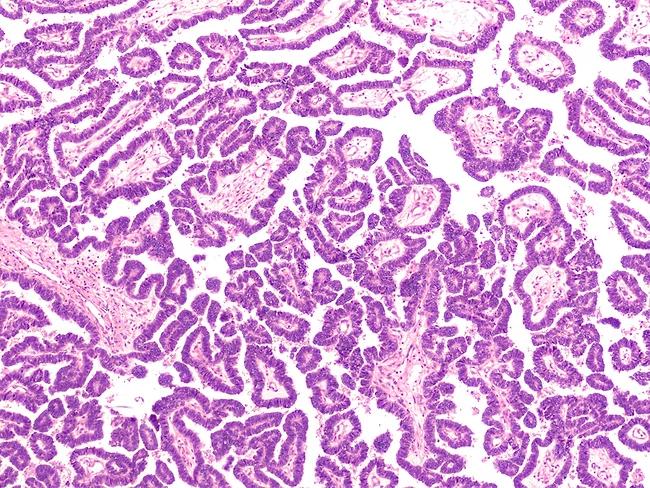
Medullary thyroid carcinoma (MTC) is a rare, often aggressive, neuroendocrine thyroid tumor with limited targeted treatment options, arising from calcitonin-producing C cells and sometimes associated with RET mutations. Researchers from the Mayo Clinic reported the potential of targeting DLL3 as a therapeutic strategy in MTC.
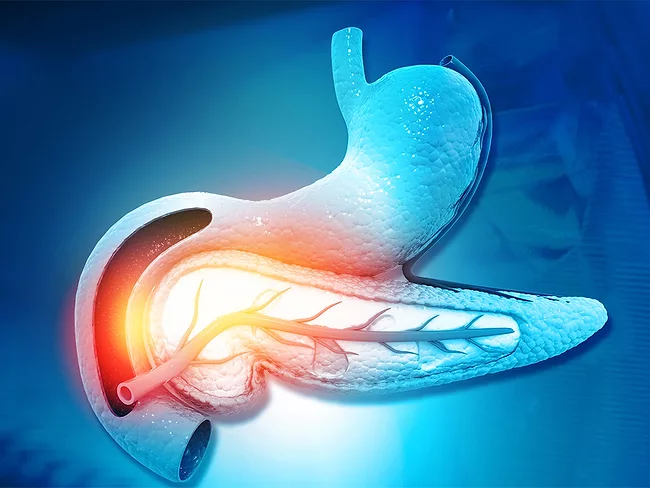
Researchers from Incyte Corp. reported the efficacy of INCB-161734, a KRAS G12D inhibitor, in combination with various strategies in models of pancreatic ductal adenocarcinomas (PDACs).
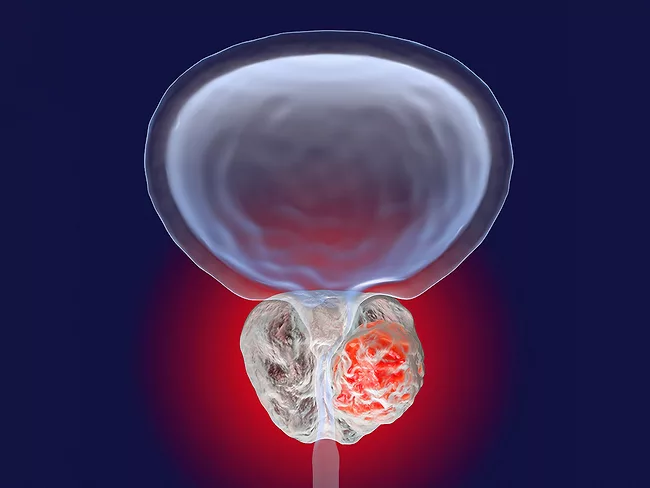
At the ESMO Targeted Anticancer Therapies Congress held this week in Paris, researchers at Mabqi SAS presented the preclinical characterization of MQI-201, an anti-TRPV6 therapeutic antibody in models of metastatic prostate cancer.
Once confined to a niche in nuclear medicine, targeted radionuclide therapy is rapidly gaining momentum and becoming one of the fastest-growing strategies in oncology. Evidence of this surge was clear at the 2026 European Society of Medical Oncology Targeted Anticancer Therapy (ESMO TAT) congress, where the topic was highlighted both at the ESMO Colloquium and in the session titled “The Future of Radioligands: Insights from Industry, Regulation and Clinical Practice,” with various speakers sharing their perspectives on the modality’s current role and future potential.
In the opening sessions of this year’s ESMO Targeted Anticancer Therapies Congress, Elena Garralda, director of the Molecular Therapeutics Research Unit at Vall d’Hebron Institute of Oncology in Barcelona, described ESMO TAT as “the house of phase I,” a fitting label for a meeting centered on translational research and early drug development, where first-in-human data and new trial designs help shape the next generation of cancer therapies.
Nectin-4 is a cell-surface protein that is highly expressed in a variety of solid tumors, including bladder, head and neck, and certain aggressive breast cancers. Its low-level expression in some normal tissues creates a challenge for therapies, which can unintentionally damage healthy cells and trigger severe side effects.
The overexpression of fibroblast growth factor receptor 2b (FGFR2b) is tied to tumor progression in several malignancies, such as cholangiocarcinoma, HER2-negative gastric cancer and breast cancer. Lunan Pharmaceutical Group Corp. has developed a novel IgG1 monoclonal antibody against FGFR2b, LNF-2102, for the potential treatment of cancer.
 RSS
RSS