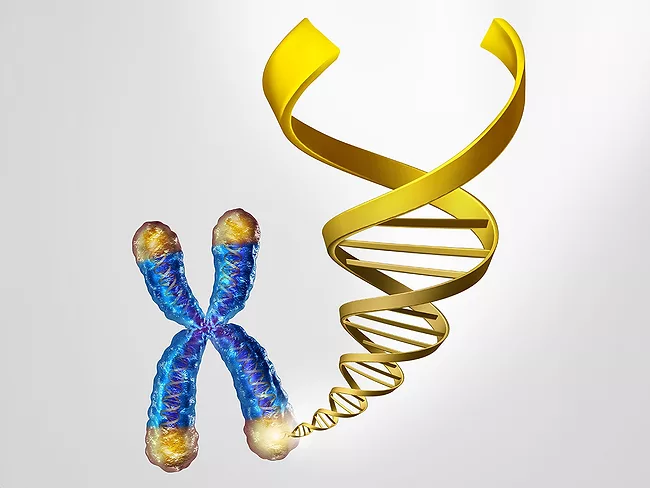
Synthetic lethality specialist Tessellate Bio NV has closed its first deal, agreeing to a €500 million-plus (US$570 million) research and license agreement with Boehringer Ingelheim GmbH, to develop small molecules targeting tumors that depend on alternative lengthening of telomeres (ALT) for their growth.
Veraxa Biotech AG is merging with special purpose acquisition company (SPAC) Voyager Acquisition Corp. to become a publicly traded company that will develop treatments for solid tumors.
Biopharma deal value declined in the first three months of 2025 compared to the previous quarter, but remained above the 2024 quarterly average of $57.63 billion. In the first quarter (Q1), biopharma deals totaled $66.86 billion across 330 transactions, a decrease from $80.65 billion in Q4 2024, which saw 372 deals. However, this was a significant value increase from Q1 2024, when deals amounted to $44.32 billion across 376 transactions.
Earendil Labs will collaborate with Sanofi SA in a $1.8 billion license deal. Earendil, which specializes in artificial intelligence-based R&D for biologics, is getting $125 million up front and $50 million as a near-term payment. In return, Sanofi gets the exclusive global rights to the bispecific antibodies HXN-1002 and HXN-1003.
The Abu Dhabi health care company M42 is to make an investment in U.K.-based longevity specialist Juvenescence as a route to moving into drug discovery and development, with the two forming a partnership to work together on products that extend the healthy lifespan and improve the treatment of chronic diseases.
After dropping development in December of its lead program, Spruce Biosciences Inc. has found new life by acquiring a BLA-ready enzyme replacement therapy for the rare genetic neurodegenerative disease Sanfilippo syndrome type B. If approved, the therapy, tralesinidase alfa, could bring Spruce a priority review voucher.
Oral peptide delivery specialist Cyprumed GmbH is about to find out if the high bioavailability of its tablet formulations seen in animal models will translate across to humans, after signing a $493 million license and option agreement with Merck & Co. Inc.
Biopharma dealmaking surged in the first quarter of 2025, totaling $66.86 billion, well ahead of the $44.16 billion recorded in the same period last year. March contributed $29.48 billion to the total, a 237% increase from February’s $8.76 billion and closely matching January’s $28.63 billion.
ABL Bio Inc. announced April 7 that it sealed a potential £2.075 billion (US$2.65 billion) license deal with GSK plc, granting GSK global rights to use ABL’s blood-brain barrier (BBB) penetrating bispecific antibody platform, Grabody-B, to develop multiple programs in the neurodegenerative disease arena. Under the terms signed April 5, ABL agreed to transfer Grabody-B-related technology and know-how to GSK, upon which GSK will assume responsibility for preclinical and clinical development, manufacturing and commercialization.
“Men in general have been playing golf for a longer time – in those old boy networks we still haven’t tapped into.” It may seem far-fetched, but that is put forward as a reason for underinvestment in women’s health companies. The argument goes that women heading women’s health startups find it hard to raise money because their networks are weaker, making it harder to tap into investment networks.
 RSS
RSS