Shanghai- and San Diego-based Degron Therapeutics Inc. secured a potential $1.2 billion deal with Tokyo-headquartered Takeda Pharmaceutical Co. Ltd. May 23 for a multitarget collaboration and exclusive licensing agreement for molecular glue degraders. “It is a breakthrough technology in the small-molecule drug discovery field,” Degron CEO Lily Zou told BioWorld. “People talk about cell and gene therapy, but small molecules are still the mainstream of drug discovery, [with] more reach.”
Théa Open Innovation, a subsidiary of France’s Laboratoires Théa SAS, returned rights to South Korea’s Curacle Co. Ltd.’s CU-06, an oral diabetic macular edema drug candidate. Curacle posted positive top-line phase IIa data of CU-06 just three months prior.
To strengthen its cancer pipeline, South Korea’s Dong-A ST Co. Ltd. made a strategic investment of ₩25 billion (US$18.45 million) in Seocho-gu, Seoul-based Idience Co. Ltd., a cancer-focused subsidiary of Ildong Pharmaceutical Co. Ltd. on May 20.
Shaking up corporate and pipeline structure, San Diego-based cancer developer Erasca Inc. in-licensed two assets from China-based biopharmas in all-cash deals, while laying off 18% of its workforce, primarily in drug discovery. The flurry of announcements made on May 16, which included $160 million raised in private placement, showed that Erasca would scrap three existing pipeline assets – ERAS-007, ERAS-801 and ERAS-4 – and reshape development to a RAS-targeting franchise.
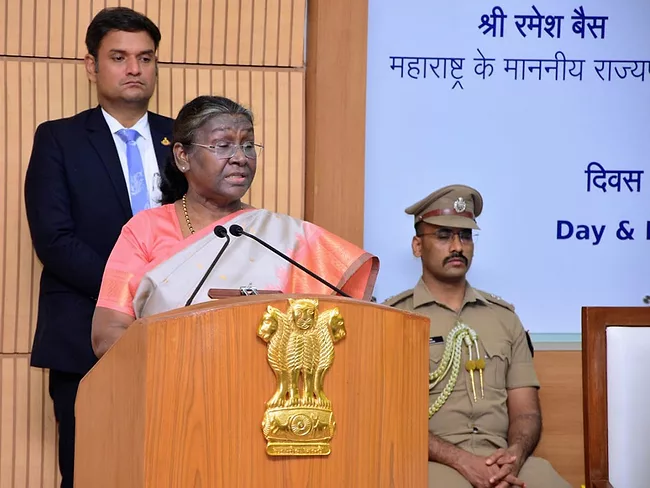
India’s first indigenous CAR T therapy is expected to cost around $50,000, nearly one-tenth of the price of top-selling CAR Ts in the U.S. India President Droupadi Murmu officially launched Immunoadoptive Cell Therapy’s (Immunoact) NexCAR19 (actalycabtagene autoleucel), a CD19-targeted CAR T, and dedicated it to the nation in April 2024.
In April, the value of biopharma deals climbed to $15.28 billion, increasing 84% from March’s $8.29 billion and also up from February’s $7.76 billion, though there was a decline from January’s $27.9 billion. This amounts to a monthly average of $14.86 billion in deal value for 2024, compared to the $18.14 billion monthly average in 2023. Meanwhile, the value of biopharma M&As dipped to $1.33 billion for the month, marking the lowest figure in nearly a year.
AC Immune SA has landed a potential $2.2 billion deal for its anti-amyloid beta Alzheimer’s disease vaccine, ACI-24.060, with Takeda Pharmaceutical Co. Ltd., under which it will get $100 million up front and is eligible to receive an option exercise fee, plus potential development, commercial and sales-based milestones of up to $2.1 billion.
As Poseida Therapeutics Inc. anticipates reporting further data this year from allogeneic CAR T-cell therapy P-MUC1C-ALLO1, for which Astellas Pharma Inc. has nabbed first negotiation rights, the two companies inked a second deal aimed at combining their respective cell therapy platforms in an early stage collaboration targeting solid tumors.
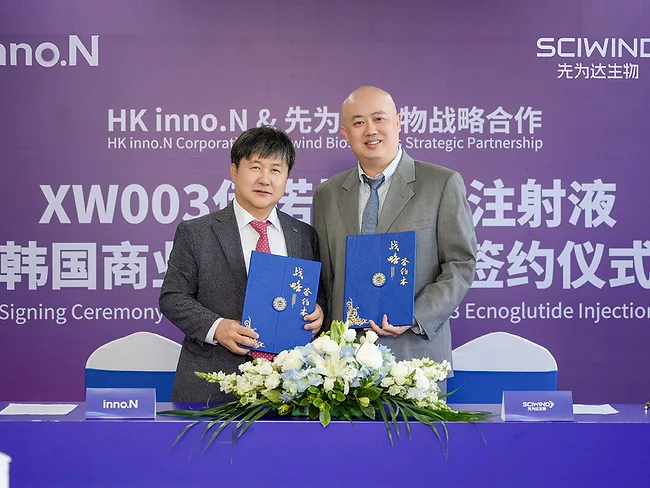
South Korea’s HK Inno.N Corp. said on May 2 that it gained exclusive development and commercial rights to Hangzhou, China-based Sciwind Biosciences Co. Ltd.’s once-weekly, injectable glucagon-like peptide-1 (GLP-1) agonist, XW-003 (ecnoglutide), in South Korea to treat type 2 diabetes and obesity.
Novartis Pharma AG continues to build up its radiopharmaceutical powerhouse and has expanded a peptide discovery collaboration with Peptidream Inc. in a deal worth up to $2.71 billion. Under the multi-program agreement, Kawasaki, Japan-based Peptidream will use its peptide discovery platform system technology to identify and optimize novel macrocyclic peptides against targets selected by Novartis for potential conjugation to radioligand therapies or other applications for both therapeutic and diagnostic purposes.
 RSS
RSS