The polarization of macrophages is crucial in modulating the tumor microenvironment and impacting cancer development. Long noncoding RNAs (lncRNAs) have been identified as key regulators in this process.
Interferon (IFN)-α, on paper, should be quite effective against hepatocellular carcinoma, the most frequent form of primary liver cancer. IFN-α can suppress tumor growth directly by acting on tumor cells, as well as indirectly by activating cytotoxic CD8+ T cells. In addition, it can slow replication of hepatitis B virus, which is involved in 50% to 80% of cases of hepatocellular carcinoma. However, IFN-α on its own has performed disappointingly in clinical trials.
Researchers in the U.K. have overthrown the orthodox view that childhood cancers have a low mutation burden, opening up new drug targets and opportunities for repurposing existing therapies. In particular, a high mutation rate is associated with a response to cancer immunotherapy. But although PD-1 checkpoint inhibitors are approved for treating pediatric cancers with a high level of microsatellite instability mutations, in general it is thought childhood tumors are not amenable to immunotherapy.
Sichuan Kelun-Biotech Biopharmaceutical Co. Ltd. has identified radiolabeled or nonradiolabeled compounds acting as fibroblast activation protein-α (FAPα) inhibitors reported to be useful for the diagnosis and treatment of cancer.
Shanghai Qilu Pharmaceutical Research and Development Centre Ltd. has synthesized poly(ADP-ribose) glycohydrolase (PARG) inhibitors reported to be useful for the treatment of cancer.
Shenzhen Zhongge Biotechnology Co. Ltd. has disclosed protein mono-ADP-ribosyltransferase TIPARP (PARP-7; ARTD14) inhibitors reported to be useful for the treatment of inflammatory disorders, immunological disorders, viral infections and cancer.
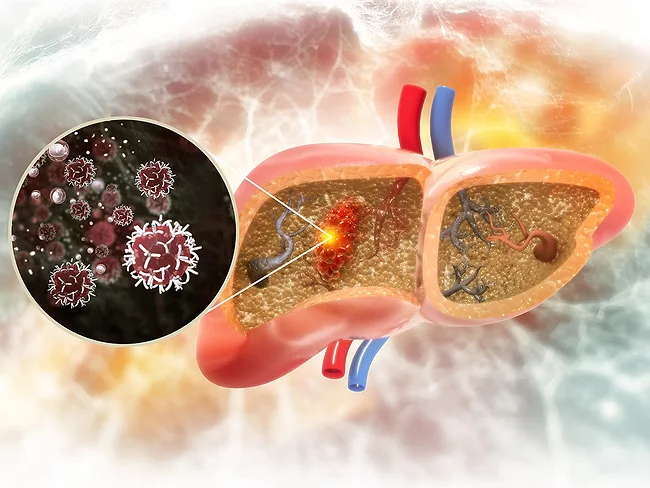
Hepatocellular carcinoma (HCC) is among the leading causes of cancer-related deaths worldwide due to lack of effective diagnosis at early stages and limited comprehension of its pathogenesis, thus limiting the development of effective treatments.
PRMT1 is a key enzyme that catalyzes asymmetric dimethylation of arginine residues and overexpressed in various cancers and inflammatory diseases. While current PRMT1 inhibitors lack specificity and effectiveness, targeted degradation of PRMT1 offers a potential strategy to treat PRMT1-driven conditions and explore its nonenzymatic roles.
Silexion Therapeutics Corp. has released preclinical data demonstrating the efficacy of its next-generation RNA interference (RNAi) therapeutic candidate, SIL-204, against human pancreatic, colorectal and lung cancer cell lines.
 RSS
RSS