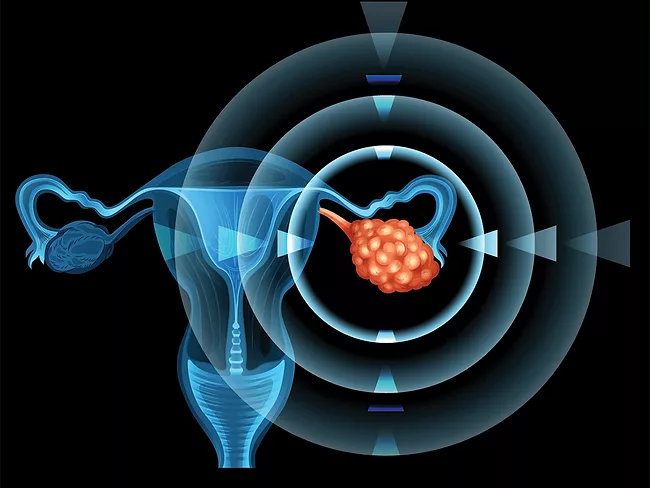
Gynecological cancers with amplifications in the CCNE1 gene, which encodes cyclin E1, usually exhibit resistance to standard therapies. Since cyclin-dependent kinase 2 (CDK2) is the primary partner of cyclin E, CDK2 inhibitors represent a potentially effective treatment strategy for these malignancies.
In a presentation at the recent American Society of Hematology meeting in San Diego, Kite Pharma Inc. reported preclinical data for KITE-753, an autologous rapid manufactured anti-CD19/CD20 CAR T-cell therapy being developed for the treatment of B-cell malignancies.
Mirati Therapeutics Inc. has divulged GTPase KRAS (G12S mutant) and/or GTPase KRAS (G12C mutant) inhibitors reported to be useful for the treatment of cancer.
Scientists at Daegu-Gyeongbuk Medical Innovation Foundation and Korea Research Institute of Chemical Technology have synthesized phenaleno-isoquinolinium-based compounds reported to be useful for the treatment of cancer.
Nextcure Inc. has reported IND clearance from the FDA enabling initiation of a phase I trial of LNCB-74, a B7-H4-targeting antibody-drug conjugate (ADC) being developed for various cancers.
The effective targeting of RAS-mutant acute myeloid leukemia (AML) still remains a challenge; RAS mutations are tied to relapse to targeted therapy, such as resistance to FLT3 inhibitors due to the RAS/MAPK pathway, for example.
Researchers from the University of California San Francisco (UCSF) have successfully replicated the design of regulatory T cells, achieving local targeted immune suppression and protection from CAR T-cell cytotoxicity. Many of the treatments used so far in the context of inflammatory and autoimmune disorders lead to systemic immunosuppression. In this sense, limiting immunosuppression locally to targeted tissues may help overcome systemic toxicity.
 RSS
RSS