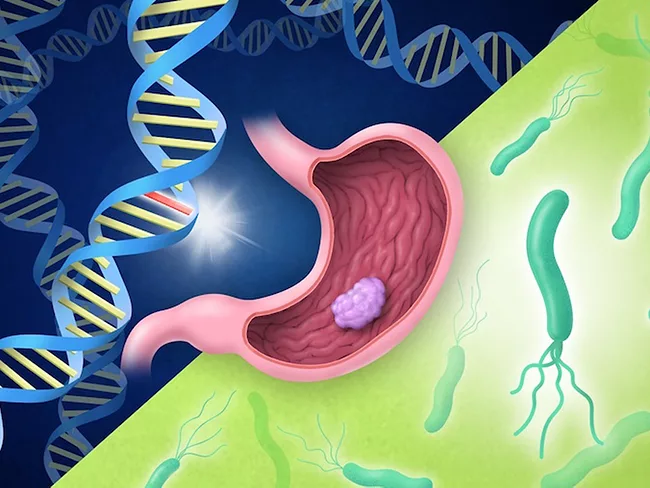
Infection with Helicobacter pylori is a risk factor for the development of gastric cancer. H. pylori initiates a chronic inflammatory response that can lead to the production of excessive radical oxygen species (ROS), which in turn can activate oncogenic signaling pathways leading to gastric cancer development. SUMOylation is a post-translational modification mechanism in cells in response to reactions to stress. A team at The First Affiliated Hospital of Nanchang University hence set out to study the role of SUMO-activating enzyme subunit 1 (SAE1) in gastric cancer, since it is a SUMO-activating effector protein.
Sutro Biopharma Inc. has described antibody-drug conjugates (ADCs) comprising a cytotoxic drug linked to an antibody or polypeptide residue through a linker reported to be useful for the diagnosis and treatment of cancer.
Jiangsu Tasly Diyi Pharmaceutical Co. Ltd. has divulged Wee1-like protein kinase (Wee1) inhibitors reported to be useful for the treatment of inflammation, infection, cancer and autoimmune disease.
Arcus Biosciences Inc. has disclosed mitogen-activated protein kinase kinase kinase kinase 1 (MAP4K1; HPK1; MEKKK1) inhibitors reported to be useful for the treatment of cancer.
Valirx plc has signed an over-arching agreement with the University of Dundee and its drug discovery unit (DDU) to access research relating to novel therapeutic candidates.
Medigene AG has selected initial clinical indications for its lead candidate, MDG-1015, specifically gastric cancer, ovarian cancer, myxoid/round cell liposarcoma and synovial sarcoma.
Les Laboratories Servier SAS and Vernalis (R&D) Ltd. have described induced myeloid leukemia cell differentiation protein Mcl-1 inhibitors acting as apoptosis inducers reported to be useful for the treatment of cancer and autoimmune diseases.
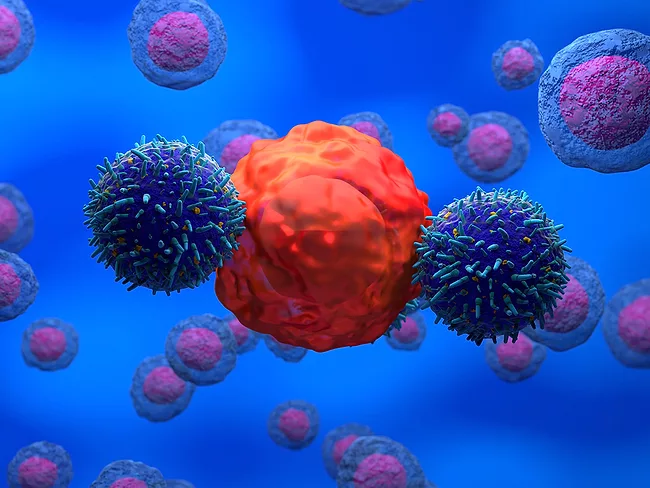
Elicera Therapeutics AB has received approval from the Swedish Medical Products Agency to start a phase I/II study of chimeric antibody receptor (CAR) T-cell therapy ELC-301 in patients with refractory or relapsed B-cell lymphoma.
Early steps in cancer development are closely linked to fibroblast senescence and their transformation into tumor-promoting cancer-associated fibroblasts (CAFs).
 RSS
RSS