Oncopia Therapeutics Inc. (dba Proteovant Therapeutics Inc.) and the University of Michigan have prepared and tested new protein cereblon (CRBN) ligands expected to be useful for the treatment of cancer and inflammatory disorders.
A recent Vividion Therapeutics Inc. patent describes Werner syndrome ATP-dependent helicase (WRN; RECQ3; RECQL2) inhibitors potentially useful for the treatment of cancer.
Aprea Therapeutics Inc. has submitted an IND application to the FDA to initiate clinical trials of APR-1051, an oral next-generation small-molecule inhibitor of WEE1 kinase.
Aquaporins (AQPs) are membrane proteins distributed over different organs and tissues that facilitate the interchange of water or solutes across membranes. One of these AQPs, named AQP7, has been shown to regulate signaling responses to cellular stress in breast cancer, and is hence considered a therapeutic target in cancer treatment.
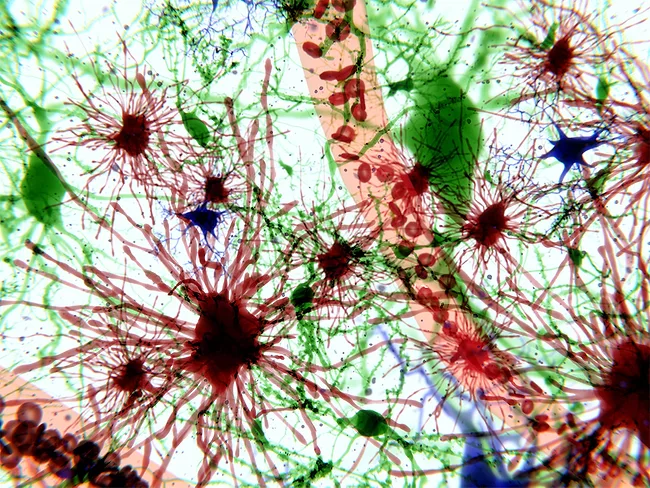
Researchers at Kanazawa University, Japan, have reported a mixed-glial culture on/in soft substrate (MGS) platform to investigate cancer-glia interactions in vitro. Using this model, they showed that astrocytes favored brain metastasis by promoting metabotropic glutamate mGlu1 receptor (mGluR1) expression in cancer cells and stabilizing EGFR. Eishu Hirata, an associate professor at the Cancer Research Institute, Division of Tumor Cell Biology and Bioimaging at Kanazawa University, and his team
published their work on Feb. 2, 2024, in Developmental Cell.
Dong-A ST Co. Ltd. has reported new eukaryotic translation initiation factor 2α kinase 4 (GCN2) inhibitors as potentially useful for the treatment of cancer, infections, neurodegenerative and metabolic diseases.
Research at Dana-Farber Cancer Institute Inc. has led to the identification of new interleukin-1 receptor-associated kinase 4 (IRAK-4) inhibitors reported to be useful for the treatment of cancer, autoimmune and inflammatory disorders.
Increasing knowledge on chronic lymphocytic leukemia (CLL) proliferation processes suggests that targeting not only leukemic cells but also the tumor microenvironment (TME) and their interactions across drug combination strategies may lead to advances in this complex setting.

 RSS
RSS