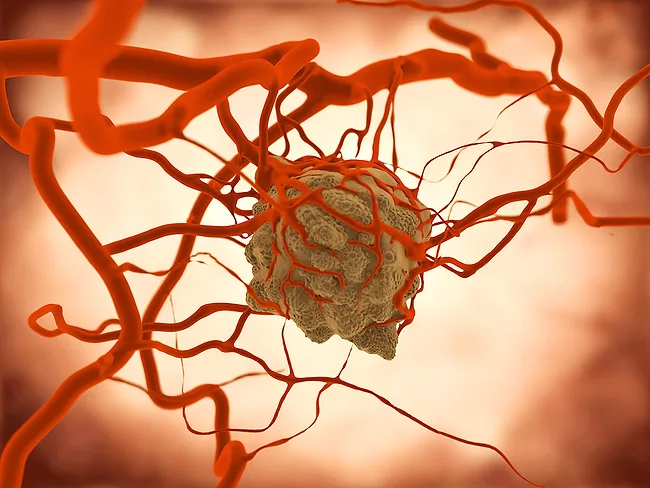
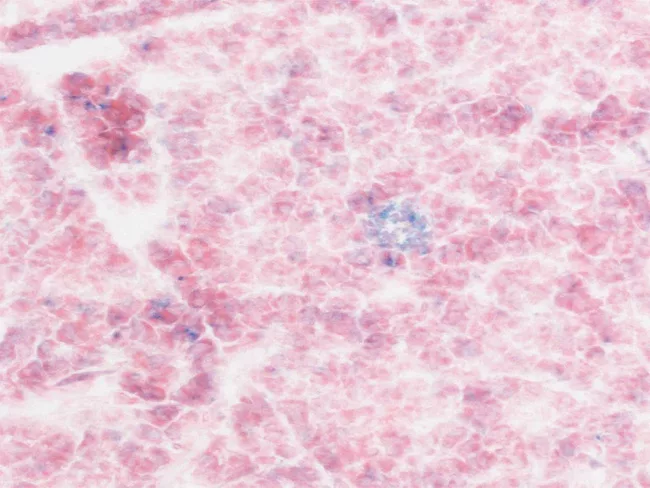
Researchers from University of Lausanne have published data from a study that aimed to analyze the key components of the brain tumor vasculature in order to better understand the mechanisms of brain metastasis (BrM).
Researchers from Chengdu Zeling Biomedical Technology Co. Ltd. and affiliated organizations presented the discovery of novel phosphatidylinositol 3‑phosphate 5‑kinase (PIKfyve) inhibitors being developed for the treatment of cancer.
About 75% of patients with ovarian cancer are diagnosed with advanced disease. It is hence of high importance to explore reliable biomarkers and their mechanisms during pathology. Growing evidence exists regarding long noncoding RNAs (lncRNAs) as regulatory factors in several cellular processes.
Harmonic Discovery Inc. has entered into an exclusive licensing agreement for a small-molecule drug candidate for the treatment of FLT3-mutated acute myeloid leukemia (AML) from Bioventures (University of Arkansas for Medical Sciences) and University of California San Francisco (UCSF).
The activation of PERK signaling triggers angiogenesis, migration and dissemination of cancer cells, and for that reason, the therapeutic blockade of the PERK pathway is a target to watch in cancer therapy. Researchers from Chongqing Medical University reported on the preclinical efficacy and molecular mechanism of CCT-020312, a selective PERK activator, in prostate cancer models.
CAR T cells could be repurposed to target senescent cells and delay the effect of aging. A study by scientists at Cold Spring Harbor Laboratory showed how to design them and demonstrated the advantages of this therapy in mice. “We only gave one dose, and we could have benefits [for] really long periods of time,” lead author Corina Amor told BioWorld.
Institute of Cancer Research UK has described lysyl oxidase homolog 2 (LOXL2) inhibitors reported to be useful for the treatment of cancer and fibrosis.
Dana-Farber Cancer Institute Inc. has identified proteolysis targeting chimeras (PROTACs) comprising an E3 ubiquitin ligase ligand binding moiety covalently linked to an histone deacetylase 6 (HDAC6)/8 (HDAC8)-targeting moiety through a linker.
Zentaur Therapeutics USA Inc. has disclosed ubiquitin carboxyl-terminal hydrolase 1 (USP1) inhibitors reported to be useful for the treatment of cancer.
 RSS
RSS