As largely expected, Mirati Therapeutics Inc.’s adagrasib gained U.S. FDA accelerated approval ahead of its Dec. 14 PDUFA date, cleared for second-line use in patients with non-small-cell lung cancer (NSCLC) harboring the KRAS G12C mutation, in which it will go up ahead Amgen Inc.’s Lumakras (sotorasib), which has the advantage of a year and a half head start.
New and updated clinical data presented by biopharma firms at the American Society of Hematology annual meeting and exposition, including: Abbvie, Actinium, Adicet, Affimed, Agios, Alphamab, Aptose, Argenx, Ascentage, Bellicum, Blueprint, BMS, Cellcentric, Cogent, CSL, CTI, Ellipses, Excellthera, Fate, Genentech.
Affimed NV said the latest data with its lead innate cell engager (ICE) known as AFM-13, disclosed at the American Society of Hematology (ASH) meeting, have caused the focus to shift from monotherapy to combination regimens.
New and updated clinical data presented by biopharma firms at the San Antonio Breast Cancer Symposium, including: Ambrx, Astrazeneca, Celcuity, Treadwell, Zymeworks.
MEI Pharma Inc. has discontinued the global development of its phosphoinositide 3-kinase (PI3K) delta inhibitor, zandelisib, outside Japan. “In light of FDA’s guidance, we no longer believe clinical development can be completed within a time period that would support further investment, or with sufficient certainty of the regulatory requirements to justify continued global development efforts,” said Daniel Gold, MEI’s president and CEO.
Erasca Inc. agreed to give Novartis AG $20 million cash up front and company shares (NASDAQ:ERAS) worth $80 million for an exclusive global license to naporafenib, a pan-RAF inhibitor for treating RAS/MAPK pathway-driven tumors, Erasca’s sweet spot. Erasca CEO Jonathan Lim told investors Dec. 9 that the therapy is complementary to the company’s portfolio, which includes 11 development programs targeting the pathway.
Arcellx Inc. signed a deal that could be worth almost $4 billion with Gilead Sciences Inc.’s unit Kite Pharma Inc. to push forward Arcellx's lead late-stage candidate CART-ddBCMA for relapsed or refractory multiple myeloma. The arrangement brings $225 million up front plus an equity investment of $100 million, along with as much as $3.9 billion in milestone payments. Arcellx CEO Rami Elghandour said the firm sorted through a number of suitors interested in the program. Data at the American Society of Clinical Oncology meeting “catalyzed a number of discussions and a broad set of interests. We felt of the possibilities out there, [Kite/Gilead is] the partner of choice in this space.”
New and updated clinical data presented by biopharma firms at the San Antonio Breast Cancer Symposium, including: Astrazeneca, Context, Dantari, Exelixis, G1, Intensity.
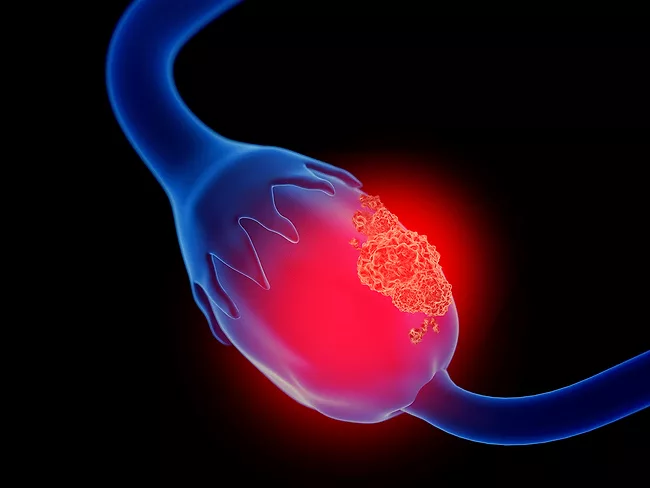
At the ESMO Immuno-Oncology Congress 2022, Compugen Inc. shared phase I data for COM-701 in dual and triple combination with Bristol Meyers Squibb Co.’s Opdivo (nivolumab) and with or without BMS-986207. Compugen’s candidate demonstrated preliminary durable antitumor activity and immune activation in patients with platinum resistant ovarian cancer with a favorable safety and toxicity profile.

 RSS
RSS