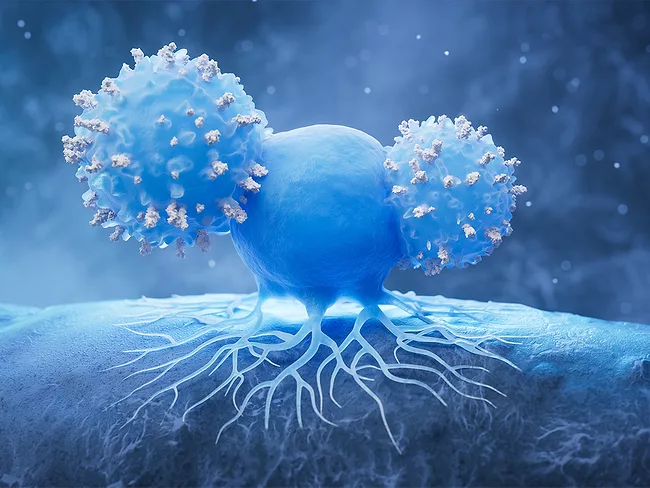
Adalta Ltd. is outlicensing all of its internal products and focusing instead on inlicensing early stage T-cell assets from Asia, mostly from China, Adalta CEO Tim Oldham told BioWorld. Dubbed its “East to West” strategy, Adalta is integrating Asia's prowess in T-cell therapy development with the efficiency and quality of Australia's clinical and manufacturing ecosystem to create a pathway connecting Eastern innovation in cellular immunotherapies with Western regulated markets and patients.
Imunon Inc. soared by 179% on the heels of phase II Ovation 2 data showing that its IMNN-001 immunotherapy led to a 13-month increase in overall survival among women with ovarian cancer. Patients in the intent-to-treat population, receiving the drug plus standard-of-care neoadjuvant and adjuvant chemotherapy (N/ACT), achieved median overall survival (OS) at 46 months vs. 33 months with N/ACT alone. Increased activity was seen among patients treated with poly ADP-ribose polymerase inhibitors, with the median OS not yet reached after more than five years vs. 37 months in the control arm.
Investor hopes rose sharply for Merus NV’s phase III trials – data should roll out next year – with bispecific antibody petosemtamab after mid-stage results impressed Wall Street in head and neck squamous cell carcinoma. Shares of Utrecht, the Netherlands-based Merus (NASDAQ:MRUS) jumped, too, closing May 23 at $55.14, up $13.54, or 33%, on interim data as of the Feb. 27 cutoff date.
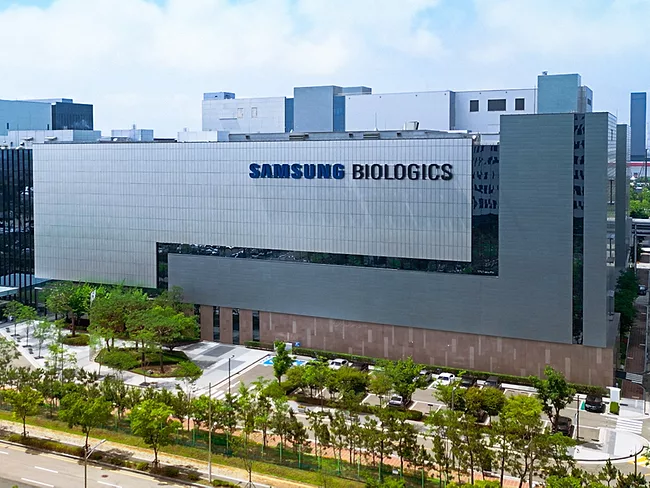
Samsung Biologics Co. Ltd. plans to establish a new holding company and to spin off its biosimilar division, Samsung Bioepis Co. Ltd., by October. The corporate restructuring will draw clear lines between Samsung Biologics’ CDMO operations and Samsung Bioepis’ biosimilar business.
The recent 8-1 adcom vote against the U.S. applicability of Genentech Inc.’s Starglo trial is being seen as a warning signal expanding beyond the confirmatory trial for Columvi (glofitamab) as a treatment for relapsed/refractory diffuse large B-cell lymphoma.
More telling than the U.S. FDA’s Oncologic Drugs Advisory Committee’s 4-5 vote May 21 on the overall benefit-risk of Urogen Pharma Inc.’s UGN-102 (mitomycin) is that the panel’s urology specialists and the patient representative all voted yes, saying the drug would be an important alternative to what is often a continuing cycle of surgery for patients with recurrent low-grade intermediate-risk non-muscle invasive bladder cancer.
Orionis Biosciences Inc. is sticking with Genentech Inc. in a second deal to discover small-molecule monovalent glue therapies for treating cancer. Privately held Orionis is getting $105 million up front and could earn more than $2 billion in R&D, development, commercial and net sales milestones, plus royalties. The multiyear collaboration calls for Orionis to handle discovery and optimization of molecular glues, with Genentech in charge of later-stage preclinical and clinical development, regulatory filing and commercialization of any small molecules the partnership produces.
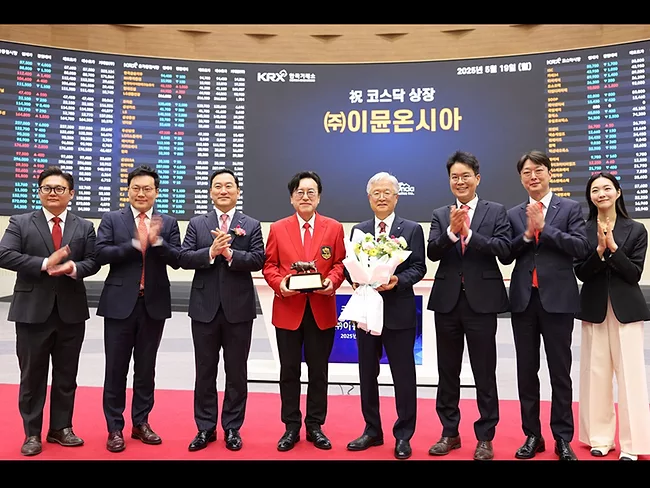
Immuneoncia Therapeutics Inc. raised ₩33.9 billion (US$24 million) from its Kosdaq listing May 19. Shares closed at ₩7,500 – 108% higher than its offering price of ₩3,600 per share. Immuneoncia, a joint venture founded in 2016 between Seoul, South Korea-based Yuhan Corp. and San Diego-based Sorrento Therapeutics Inc., noted that the funds will support R&D operations until 2026.
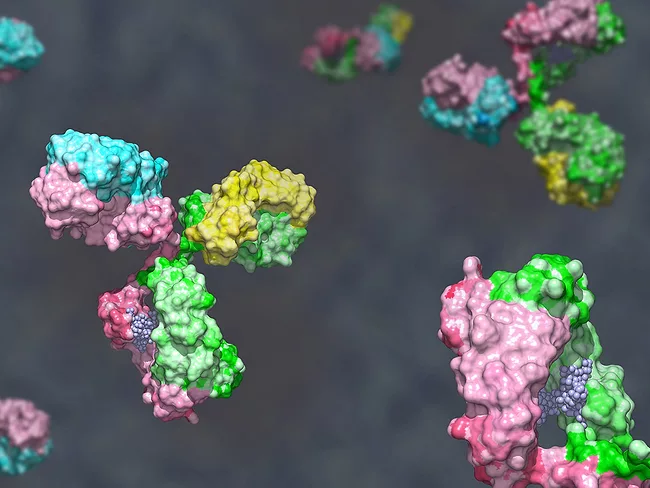
Although HER2-targeted therapies have become a mainstay in cancer treatment, some tumors evade them by stripping away the portion of the HER2 receptor that most therapies are built to recognize and bind to, but Taiwan’s AP Biosciences Inc. is developing bispecific antibody AP-402 to address treatment-resistant HER2+ cancers.
Pfizer Inc. is paying $1.25 billion up front and up to $4.8 billion in milestone payments to gain global, ex-China rights to SSGJ-707, a PD-1/VEGF bispecific antibody from 3Sbio Inc. that recently won China clearance for a phase III study in lung cancer as a potential first-line monotherapy. Announced after U.S. market hours May 19, the exclusive agreement for SSGJ-707 spells up to $6.15 billion combined for Shenyang, China-based 3Sbio, along with separate tiered double-digit royalty payments on sales of SSGJ-707, if approved.
 RSS
RSS