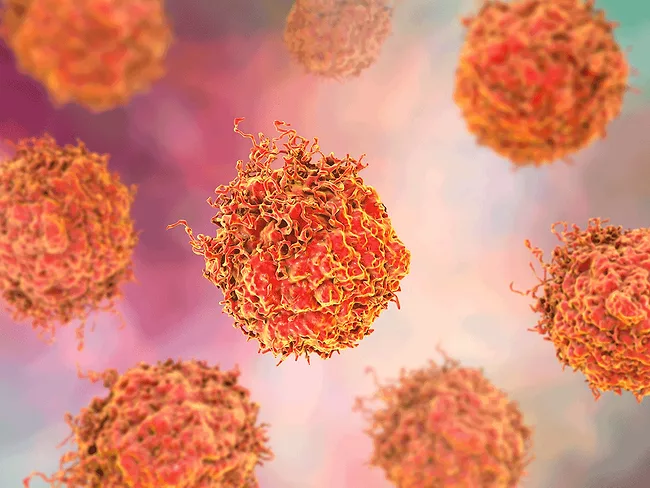
In a study reported in the online edition of Science on Aug. 10, 2023, a group of synthetic biologists from the University of California (UC) San Diego and clinicians from Australia have engineered synthetic bacteria to detect specific DNA sequences in the genomes of colorectal cancer (CRC) cells and organoids. This living cell sensor capable of detecting cancer in the colons of mice has the potential to steer the way to new biosensors capable of identifying various infections, cancers and other diseases.
Laboratory for Advanced Medicine & Health Group (LAMH)’s subsidiary Guangzhou Youze Biotechnology Co. Ltd. received marketing approval in China for its methylation test, which the company says is the first methylation test kit for liver cancer on the market in the world.
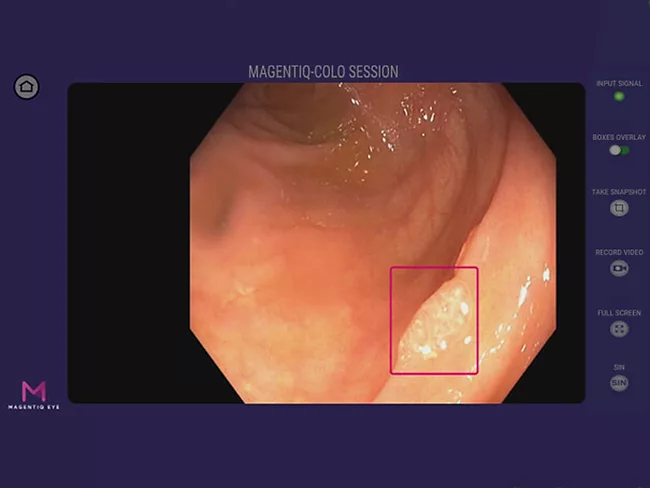
Magentiq-Eye Ltd. received U.S. FDA 510(k) clearance for its Magentiq-Colo, an artificial intelligence (AI) gastrointestinal software system that helps detect lesions in real time during colonoscopy procedures. With the rate of colorectal cancer expected to increase steadily through the decade, the company hopes that Magentiq-Colo will offer the gastroenterology community and its patients a significant increase in the adenoma detection rate.
Teleflex Inc.’s agreement to acquire Palette Life Sciences AB for up to $650 million to boost its urology portfolio continues the company’s strategy of acquiring assets that are accretive to its growth rate. Palette has developed a number of urology products, key among them the Barrigel, a non-animal stabilized hyaluronic acid (NASHA) spacer that reduces radiation delivered to the rectum during prostate cancer radiation therapy. With radiation treatment trends increasing, the market for Barrigel is expected to grow.
ArteraAI Inc. released data from a study it said validates the first-ever artificial intelligence (AI)-derived biomarker predicting the benefit of androgen deprivation therapy (ADT) for stripping prostate cancer of the testosterone it requires to grow.
Researchers at Harvard Medical School have developed a new tool that promises to improve the way pathologists see and evaluate a tumor, by providing detailed clues about the cancer.
The U.S. CMS has released the draft Medicare physician fee schedule for calendar year 2024, inviting rebuttal from physician groups thanks to a proposed cut in rates of 1.25%. However, the draft’s proposed cut of roughly 2% for radiation oncology services has also provoked stakeholders who blasted the proposal as a detriment to cancer care, a particularly ironic move given the emphasis on the Biden administration’s Cancer Moonshot.
Nuclidium AG, an early stage radiopharmaceuticals and radiodiagnostics developer, aims to bypass the production constraints that have hampered other firms in the field by employing copper radioisotopes for both therapeutic and imaging purposes.
Novigenix SA reported interim European validation data for its whole blood RNA signature for early detection of precancerous colorectal lesions. The data was presented in early July at the European Society for Medical Oncology (ESMO) World Congress on Gastrointestinal Cancer in Barcelona.
Theralase Technologies Inc. has pioneered technology said to selectively infiltrate and kill non-muscle invasive bladder cancer (NMIBC) at the cellular level. Bladder cancer generally is the 10th most common cancer in the world (6th in men and 17th in women), and gradually showing up in greater numbers in other patient groups.

 RSS
RSS