At its annual investor day at the American Society for Radiation Oncology meeting in San Diego, Accuray Inc. reported that its Tomo C radiation therapy system obtained approval from the Chinese National Medical Products Administration for the country’s type B market. The system will be made in China through the company’s joint venture, CNNC Accuray (Tianjin) Medical Technology Co. Ltd.
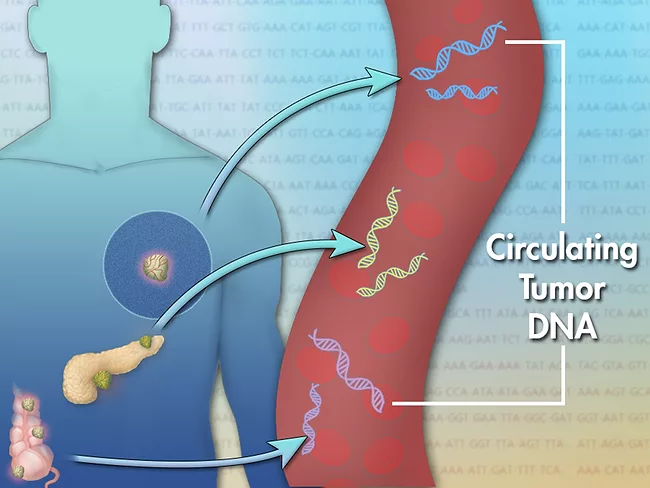
Providing the right therapy at the right time has proven more difficult in the world of cancer than in other disease areas thanks to the variability in treatment response, but a new study hints that this problem may be at least partly solved for non-small cell lung cancer (NSCLC). A study presented at this year’s meeting of the American Society for Radiation Oncology (ASTRO) in San Diego shows that circulating tumor DNA (ctDNA) can provide therapeutic guidelines for oligometastatic forms of the disease, including when high-dose radiation therapy may or may not be indicated.
Patients with metastatic brain tumors are among the most desperate of patients for at least a modestly effective treatment let alone a cure, and GT Medical Technologies Inc., of Tempe, Ariz., reported the interim findings from a study of 48 patients suffering from a total of 51 brain metastases. Four-month data from this study demonstrate that implant of the Gammatile device is safe as demonstrated by the lack of adverse events, and these results combined with other data suggest that this device can offer this patient population real hope of surviving one of the deadliest series of afflictions known to humankind.
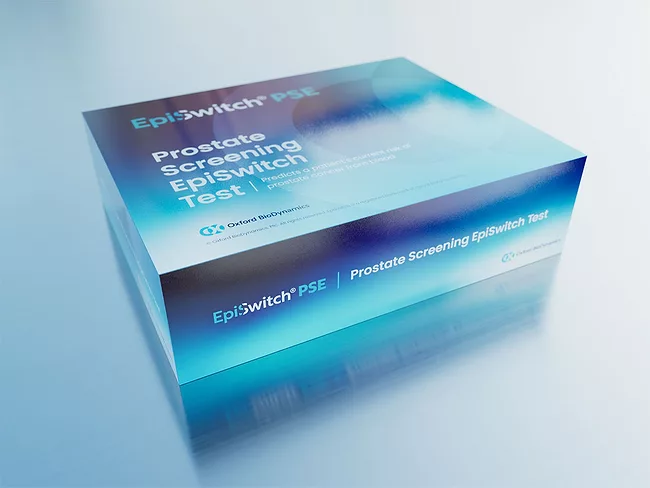
The receipt of a reimbursement code for the Episwitch Prostate Screening (PSE) test developed by Oxford Biodynamics plc, following its recent launch, is good news for men frustrated with the inaccuracies in prostate-specific antigen (PSA) tests and the lack of alternatives, Jon Burrows, CEO of Oxford Biodynamics told BioWorld.
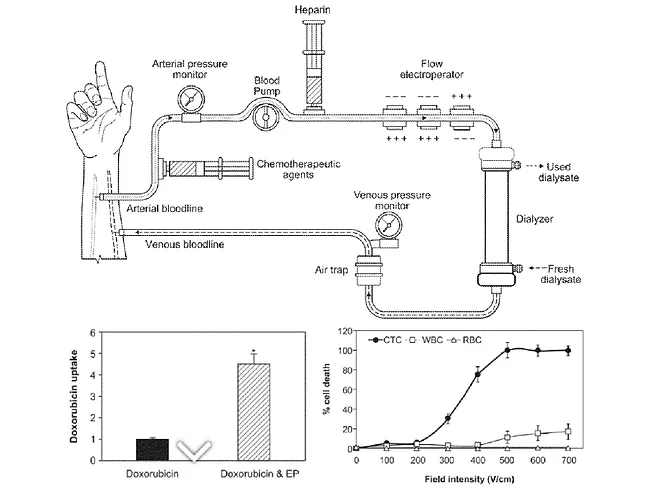
U.S. researchers reported seeking patent protection for methods to neutralize circulating tumor cells (CTCs) during hemodialysis to prevent cancer metastasis and reduce cancer-related deaths.
In a positive sign for its future success, Harbinger Health Inc. closed a $140 million series B fundraising round, bringing total funds raised since its founding in 2020 to $190 million. The new funds will be used to support completion of the company’s CORE-HH 10,000 participant study of its blood-based multicancer early detection (MCED) test. The company expects to complete enrollment in CORE-HH, a three-part case control, adaptive study with development, validation and longitudinal cohorts in 2024.
Mission Bio Inc. released its Tapestri single-cell minimal residual disease (MRD) assay for acute myeloid leukemia (AML) on September 26, with the goal of enabling greater personalization of care for patients with blood cancers. The test can provide insights into the progression of AML and help identify targets for treatment in addition to identifying patients truly experiencing relapse as distinct from having pre-leukemic or precursor clones.
Proteomics International Pty Ltd has developed a new blood-based diagnostic test called the Promarkereso that identifies patients with esophageal adenocarcinoma as well as patients with a pre-malignant condition called Barrett’s esophagus that can arise from chronic acid reflux.
Springboarding off the success of its AI-based imaging software for cancer detection, the deep learning-based artificial intelligence (AI) company Lunit Inc. has another AI software, called the Lunit Scope, up its sleeve for which it hopes to gain U.S. FDA approval by 2025.
Limaca Medical Ltd. received U.S. FDA 510(k) clearance for its Precision for gastrointestinal (GI) endoscopic ultrasound (EUS) biopsy device which the company said allows for faster, more efficient and safer collection of tumor tissue samples. The approval follows the receipt of breakthrough device designation, and the deployment of the device into the U.S. market should lead to more efficient and effective diagnosis of GI cancers.

 RSS
RSS