New drug approvals, financings and deals were seen across the Asia-Pacific biotech sector this week, with China’s National Medical Products Administration (NMPA) granting clearances to Takeda Pharmaceutical Co. Ltd.’s oral orexin receptor 2 agonist oveporexton for narcolepsy, as well as Haisco Pharmaceutical Group’s ciprocopan (HSK-39297) for paroxysmal nocturnal hemoglobinuria.
Another day, another two multibillion-dollar deals with Asian companies, this time involving Dizal Pharmaceutical Co. Ltd. and its EGFR inhibitor for lung cancer, as well as Innovent Biologics Inc. and its anti-CD40L antibody for a chronic fibroinflammatory condition.
Signs of recovery are emerging in the biotechnology investment sector, although investors across Asia say that capital is flowing selectively to companies that can demonstrate clinical differentiation, strong management teams and a clear path to commercialization.
Advancell Co. Ltd. has raised an oversubscribed $315 million series D round to accelerate its push to become a fully integrated global radiopharma developer, funding late-stage clinical development alongside isotope supply and manufacturing infrastructure.
The field of cell and gene therapy is moving toward a new phase of scalability and clinical durability, with in vivo chimeric antigen receptor (CAR) T-cell therapeutics emerging as the dark horse in what speakers at BIO Asia-Taiwan 2026 described as CAR T’s second revolution.
Mindrank AI Ltd. completed a $52 million series B round to advance MDR-001, its AI-discovered oral small-molecule GLP-1 receptor agonist, which is in phase III trials for obesity in China.
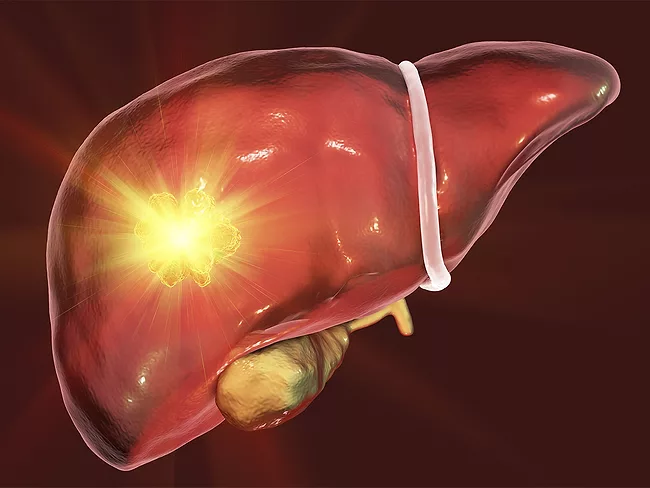
The U.S. FDA declined to approve, for a third time, an investigational liver cancer drug regimen comprising HLB Co. Ltd.’s rivoceranib and Jiangsu Hengrui Pharmaceutical Co. Ltd.’s camrelizumab, reportedly citing issues from a drug manufacturing facility inspection.
The House Select Committee on China launched an investigation into clinical trials involving U.S. companies that are conducted at Chinese military hospitals and in Xinjiang, China.
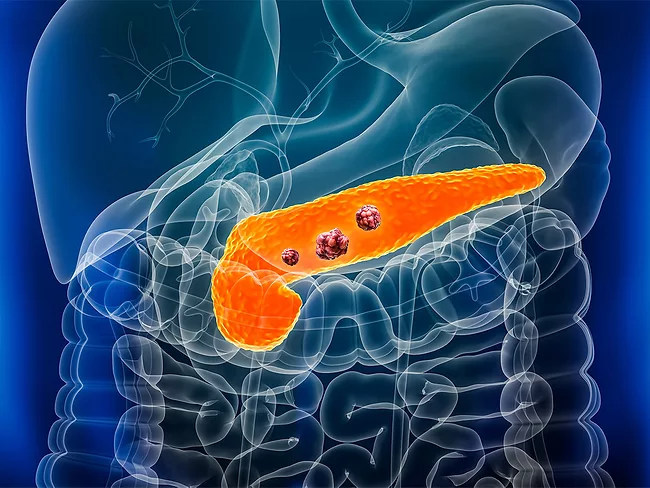
The data mill continues to churn out encouraging results in pancreatic ductal adenocarcinoma (PDAC), with shares of Ramat Gan, Israel-based Can-Fite Biopharma Ltd. benefiting from the latest, phase IIa dispatch that pushed shares (NYSE:CANF) up 58%, or $1.73, to close July 1 at $4.70.
To Ivan Oransky, China’s paper-mill problem is best understood as an incentives story. “This is literally organized crime,” the Retraction Watch co-founder told BioWorld. “Follow the money. When there’s an opportunity to make money, they will find it, and if your whole career is based on how often you publish and what journals you publish in and how often you’re cited, it’s not surprising that leads to bad behavior.”
 RSS
RSS