SN Bioscience Co. Ltd., headquartered in Seongnam-si, Gyeonggi-do’s second Pangyo Valley, gained U.S. FDA fast track designation for SNB-101 (SN-38), its new polymer nanoparticle cancer drug candidate for small-cell lung cancer.
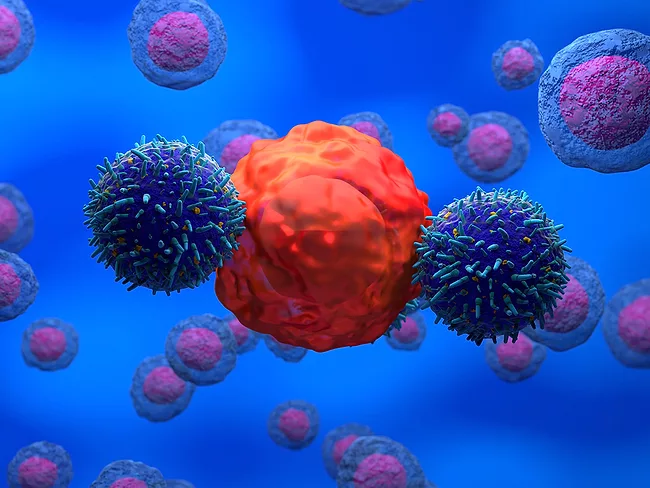
Despite what University of Pennsylvania (Penn) immunotherapy pioneer Carl June referred to as a “cold slap last November” – a launched investigation by the U.S. FDA into a possible link between CAR T-cell immunotherapies and secondary cancers – new unpublished studies by Penn and Stanford University highlight the rarity of such cases.
Australia is poised to play a leading role in the rise of the global radiopharmaceutical industry, as advanced therapies drive significant investment and rapid expansion, according to a new discussion paper from industry accelerator Mtpconnect.
As Poseida Therapeutics Inc. anticipates reporting further data this year from allogeneic CAR T-cell therapy P-MUC1C-ALLO1, for which Astellas Pharma Inc. has nabbed first negotiation rights, the two companies inked a second deal aimed at combining their respective cell therapy platforms in an early stage collaboration targeting solid tumors.
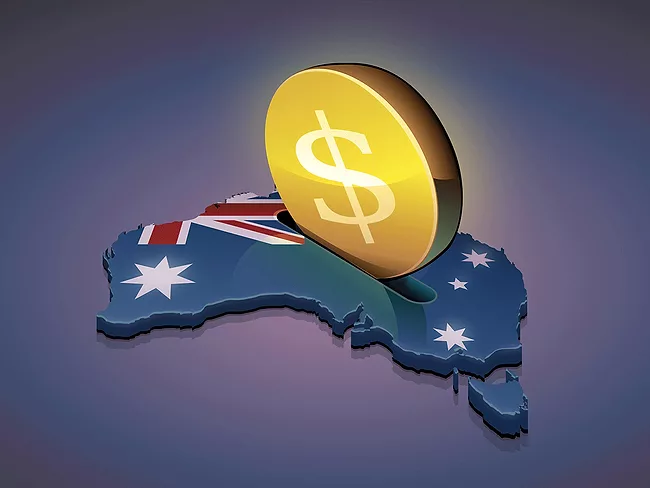
The Australian government is investing AU$1.89 billion (US$1.25 billion) in what it is calling a “once-in-a generation transformation” of health and medical research in Australia with $1.4 billion tagged for new research for the Medical Research Future Fund.
China and U.S. biotech Jacobio Pharmaceuticals Group Co. Ltd.’s shares (HKEX:1167) rose nearly 20% after it filed an NDA in China on May 6 for its independently developed KRAS G12C inhibitor, glecirasib (JAB-21822), to treat lung cancer.
Amidst a slew of end-of-week, positive EMA Committee for Medicinal Products for Human Use (CHMP) opinions is Takeda Pharmaceutical Co. Ltd.’s Fruzaqla (fruquintinib). The selective inhibitor of vascular endothelial growth factor receptors-1, -2 and -3 is for adults with previously treated metastatic colorectal cancer.
Boston-based South Korean biotech Genosco Inc. said on April 25 that it passed a technology review required for the special listing track on the tech-heavy Kosdaq market, as it readies an IPO on the Korea Exchange.
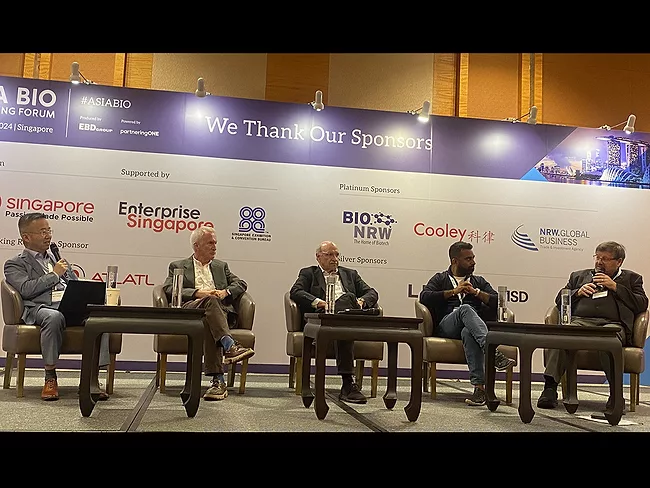
Antibody-drug conjugates are the hot spot for deals in Asia, but investors questioned whether oncology is really the place to be, during the Asia Bio Partnering Forum in Singapore April 24 to 25.
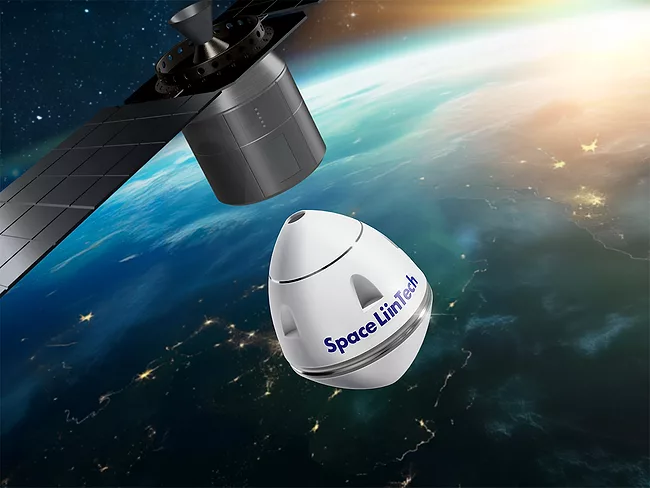
Space Liintech Co. Ltd., of Daejeon, South Korea, raised ₩4 billion (US$2.9 million) in a series A financing round to advance new drug research, development and production in outer space, as the private sector races to harness the orbit for pharmaceutical experiments.
 RSS
RSS