Takeda Pharmaceutical Co. Ltd. agreed to codevelop and commercialize up to three of Innovent Biologics Co. Ltd.’s immuno-oncology (I-O) and antibody-drug conjugate (ADC) candidates with the signing of a $11.4 billion deal, including $1.2 billion paid up front.
Expedition Medicines, which Flagship Pioneering Inc. has incubated for the past three years, came out of stealth mode with a $50 million commitment from Flagship to support Expedition’s platform technology to discover small molecules that covalently bind to their target.
Merck KGaA has prepared and tested new antibody-drug conjugates (ADCs) comprising monoclonal antibodies targeting sodium-dependent phosphate transport protein 2B (SLC34A2; NaPi-2b) linked to exatecan through a β-glucuronidase cleavable linker. They are described as potentially useful for the treatment of ovarian and non-small-cell lung cancer.
Shanghai Apeiron Biotechnology Co. Ltd. has reported selenium-containing heterocyclic compounds acting as DNA polymerase theta (POLθ, POLQ) inhibitors potentially useful for the treatment of cancer.
In a recent publication in iScience, researchers from Peking University First Hospital investigated the therapeutic potential of SLC7A11 CAR T therapy for solid tumors, particularly colorectal and pancreatic cancers.
Dewpoint Therapeutics Inc. has announced an IND in the U.S. for DPTX-3186, a first-in-class oral condensate modulator designed to selectively disrupt oncogenic Wnt/β-catenin signaling in tumors. Dosing is set to begin before year-end in a phase I/II trial conducted in partnership with cancer centers and opinion leaders in gastric and other Wnt-driven cancers.
Pancreatic ductal adenocarcinoma (PDAC) is one of the most aggressive and deadly forms of cancer, with a 5-year relative survival rate of only 13%. To understand cell fate decisions and progression in PDAC, it is crucial to clarify the communication networks between tumor cells.
Durable reprogramming of human T cells may now be possible thanks to a new technique based on the CRISPRoff and CRISPRon methodology. Researchers from the Arc Institute, Gladstone Institutes, and the University of California San Francisco (UCSF) have stably silenced or activated genes in this type of immune cell without cutting or altering its DNA, making T cells more resistant, active, and effective against tumors.
While positive results from the investigator-led phase II CHOPIN trial at ESMO 2025 failed to get investors dancing, they were no doubt music to management’s ears, particularly with Delcath Systems Inc.’s third quarter earnings report missing a beat.
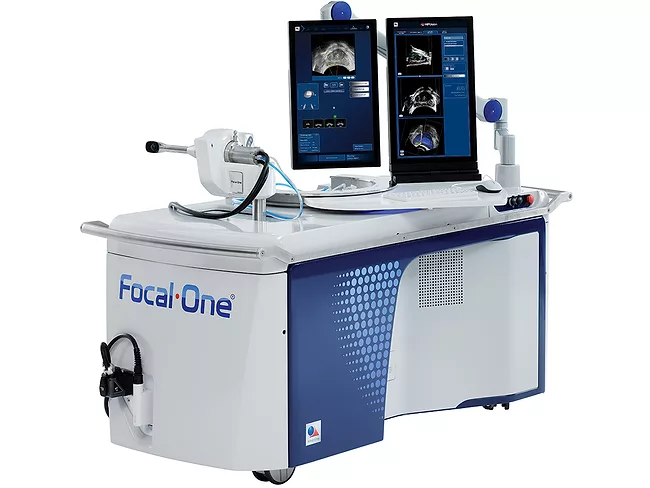
Edap TMS SA signed a €36 million (US$42 million) multi-tranche credit facility with the European Investment Bank, with the first tranche of €11 million expected to be disbursed in early November. The funds will be used to strengthen the company’s balance sheet to support the continued expansion of its Focal One high-intensity focused ultrasound technology in focal therapy and accelerate the development of new clinical indications.
 RSS
RSS