Galvanize Therapeutics Inc.’s Aliya pulsed electrical field system could enable surgeons to perform a biopsy and ablate lung tumors at the same time, a study in the Journal of Surgical Oncology indicates.
Phase Scientific International Ltd. raised $34 million in a series A round to accelerate research and development of its early disease detection technology for multiple cancers, women's health issues, and infectious diseases.
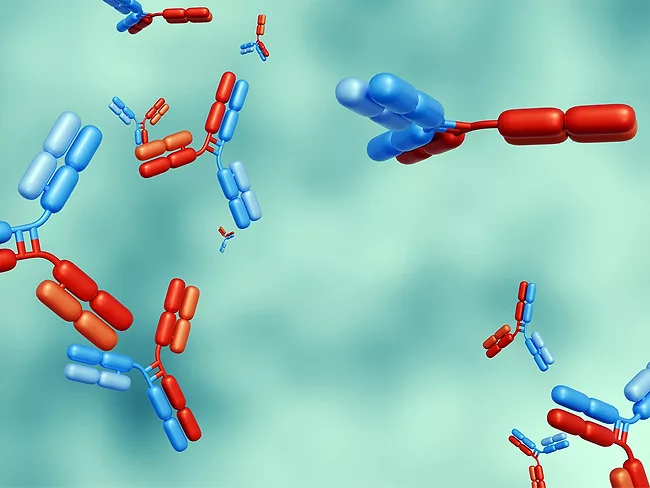
Pfizer Inc. is paying $1.25 billion up front and up to $4.8 billion in milestone payments to gain global, ex-China rights to SSGJ-707, a PD-1/VEGF bispecific antibody from 3Sbio Inc. that recently won China clearance for a phase III study in lung cancer as a potential first-line monotherapy. Announced after U.S. market hours May 19, the exclusive agreement for SSGJ-707 spells up to $6.15 billion combined for Shenyang, China-based 3Sbio, along with separate tiered double-digit royalty payments on sales of SSGJ-707, if approved.
Chengdu Zeling Biomedical Technology Co. Ltd. has described poly(ADP-ribose) polymerase 1 (PARP-1; ARTD1) inhibitors reported to be useful for the treatment cancer.
Scientists at Jubilant Biosys Ltd. and the University of Texas System have divulged fatty acid binding protein (FABP) inhibitors reported to be useful for the treatment of cancer.
Scientists at F. Hoffmann-La Roche Ltd. and Hoffmann-La Roche Inc. have identified macrocyclic compounds acting as GTPase KRAS (G12D mutant) and/or (G13D mutant) inhibitors reported to be useful for the treatment of cancer.
Bristol Myers Squibb Co. has disclosed proteolysis targeting chimera (PROTAC) compounds comprising a cereblon (CRBN) E3 ubiquitin ligase-binding moiety covalently bonded to a B-cell lymphoma 6 protein (BCL-6)-targeting moiety through a linker. They are reported to be useful for the treatment of cancer and autoimmune diseases.
Oncolytic viruses trigger immunogenic cell death in tumors, releasing signals that activate innate immune cells and promote tumor-specific T-cell responses. While some oncolytic viruses, including FDA-approved T-VEC, have shown safety and some clinical benefit, their limited effectiveness as standalone treatments underscores the need for combination therapies.
Mucosa-associated lymphoid tissue lymphoma translocation protein 1 (MALT1) is an important factor from a complex downstream of Bruton tyrosine kinase (BTK) in the B-cell receptor (BCR) signaling pathway.
CAR T-cell therapy for B-cell malignancies has still to be improved regarding durability, manufacturing complexity or toxicity, among others. Precigen Inc. has presented data regarding the preclinical development and efficacy of PRGN-3008, a PD-1-expression inhibitor cell therapy targeting CD19 that was built in a next-generation ultra CAR T platform.
 RSS
RSS