In their efforts to develop next-generation drugs whose structures differ from those of conventional IMiDs, researchers at Fujimoto Pharmaceutical Corp. developed FPFT-2216 through optimization of a lead compound.
In their ongoing search for effective small-molecule inhibitors of focal adhesion kinase (FAK), researchers at Beijing Normal University and collaborators started from a promising lead compound that they previously described.
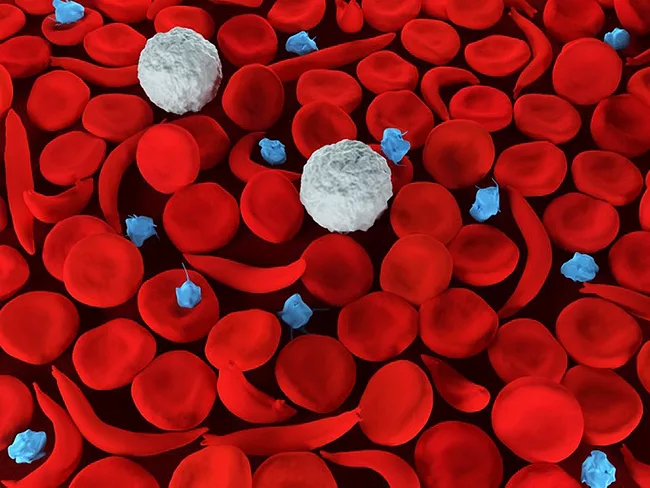
Individuals with both sickle cell disease (SCD) and sickle cell trait are at higher risk than others of developing renal medullary cancer (RMC), the rarest and deadliest subtype of kidney cancer. Researchers at MD Anderson Cancer Center have identified the molecular mechanisms behind the increased risk, gaining new insights into antitumor immunity more generally and, potentially, new ways to treat RMC, and possibly other tumors as well.SCD “has been studied for 30 years, but 95% of the effort [has been] working on the red blood cells … how red blood cells contribute to hypoxia and then reduce oxygen supply,” Chunru Lin told BioWorld.
Alteogen Inc. completed a merger between two subsidiaries – Altos Biologics Inc. and Alteogen Healthcare Inc. – branding the new entity as Alteogen Biologics Inc.
Adalta Ltd. is outlicensing all of its internal products and focusing instead on inlicensing early stage T-cell assets from Asia, mostly from China, Adalta CEO Tim Oldham told BioWorld. Dubbed its “East to West” strategy, Adalta is integrating Asia's prowess in T-cell therapy development with the efficiency and quality of Australia's clinical and manufacturing ecosystem to create a pathway connecting Eastern innovation in cellular immunotherapies with Western regulated markets and patients.
Imunon Inc. soared by 179% on the heels of phase II Ovation 2 data showing that its IMNN-001 immunotherapy led to a 13-month increase in overall survival among women with ovarian cancer. Patients in the intent-to-treat population, receiving the drug plus standard-of-care neoadjuvant and adjuvant chemotherapy (N/ACT), achieved median overall survival (OS) at 46 months vs. 33 months with N/ACT alone. Increased activity was seen among patients treated with poly ADP-ribose polymerase inhibitors, with the median OS not yet reached after more than five years vs. 37 months in the control arm.
Investor hopes rose sharply for Merus NV’s phase III trials – data should roll out next year – with bispecific antibody petosemtamab after mid-stage results impressed Wall Street in head and neck squamous cell carcinoma. Shares of Utrecht, the Netherlands-based Merus (NASDAQ:MRUS) jumped, too, closing May 23 at $55.14, up $13.54, or 33%, on interim data as of the Feb. 27 cutoff date.
Scientists at Jiangsu Hengrui Medicine Co. Ltd. and Shanghai Hengrui Pharmaceutical Co. Ltd. have described GTPase KRAS (G12D mutant) and/or KRAS (G12V mutant) inhibitors reported to be useful for the treatment of cancer.

 RSS
RSS