Scientists at Ascentage Pharma (Suzhou) Co. Ltd. and China Pharmaceutical University have synthesized molecular glue degrader compounds acting as eukaryotic peptide chain release factor GTP-binding subunit ERF3A (GSPT1)/CRBN interaction inducers for GSPT1 degradation reported to be useful for the treatment of cancer, viral infections, aging, immunological disorders and neurological disorders.
Pancreatic ductal adenocarcinoma (PDAC) is a highly aggressive cancer. The more common BRCA wild-type (wt) subtype is particularly resistant to standard treatments such as gemcitabine and DNA-targeting agents like olaparib.
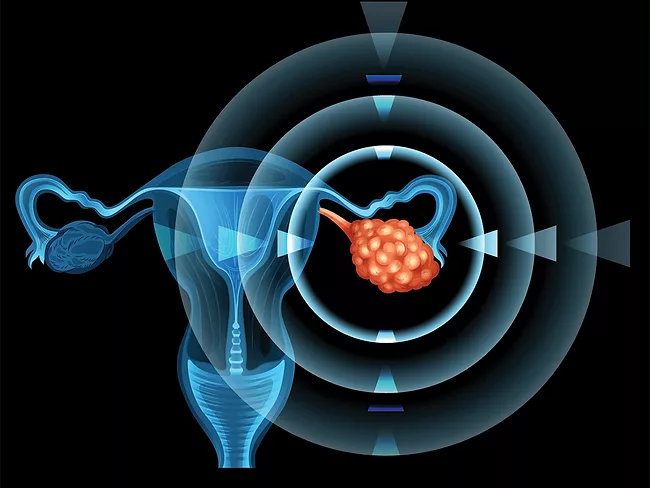
Ovarian cancer remains a leading cause of cancer-related deaths among women, with high recurrence rates and resistance to chemotherapy. CAR T-cell therapies present limited efficacy in solid tumors due to tumor heterogeneity and immune suppression in the tumor microenvironment.
Peptide-drug conjugates (PDCs) are emerging as a promising alternative to antibody-drug conjugates (ADCs), offering enhanced tumor penetration and reduced immunogenicity. Carbonic anhydrase IX (CAIX) and epidermal growth factor receptor (EGFR) are both well-validated targets in oncology due to their role in cancer cell survival, invasion and migration.
Avenzo Therapeutics Inc. has gained IND clearance from the FDA for AVZO-023 (formerly ARTS-023), a CDK4-selective inhibitor. The company also announced it has exercised its exclusive option for AVZO-023 from Allorion Therapeutics Inc., securing global (excluding Greater China) development, manufacturing and commercialization rights.
More telling than the U.S. FDA’s Oncologic Drugs Advisory Committee’s 4-5 vote May 21 on the overall benefit-risk of Urogen Pharma Inc.’s UGN-102 (mitomycin) is that the panel’s urology specialists and the patient representative all voted yes, saying the drug would be an important alternative to what is often a continuing cycle of surgery for patients with recurrent low-grade intermediate-risk non-muscle invasive bladder cancer.
Orionis Biosciences Inc. is sticking with Genentech Inc. in a second deal to discover small-molecule monovalent glue therapies for treating cancer. Privately held Orionis is getting $105 million up front and could earn more than $2 billion in R&D, development, commercial and net sales milestones, plus royalties. The multiyear collaboration calls for Orionis to handle discovery and optimization of molecular glues, with Genentech in charge of later-stage preclinical and clinical development, regulatory filing and commercialization of any small molecules the partnership produces.
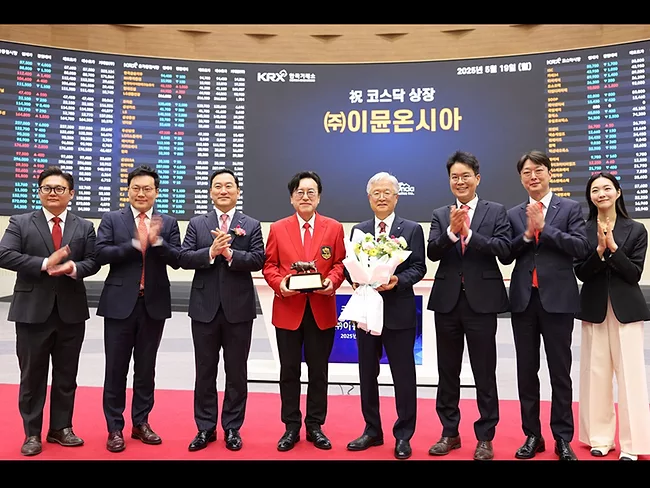
Immuneoncia Therapeutics Inc. raised ₩33.9 billion (US$24 million) from its Kosdaq listing May 19. Shares closed at ₩7,500 – 108% higher than its offering price of ₩3,600 per share. Immuneoncia, a joint venture founded in 2016 between Seoul, South Korea-based Yuhan Corp. and San Diego-based Sorrento Therapeutics Inc., noted that the funds will support R&D operations until 2026.
C4 Therapeutics Inc. has disclosed proteolysis targeting chimera (PROTAC) compounds comprising a cereblon (CRBN) E3 ubiquitin ligase-binding moiety covalently linked to a Raf kinase B (V600E mutant)-targeting moiety through a linker. They are reported to be useful for the treatment of cancer.

 RSS
RSS