Deephealth Inc., a subsidiary of Radnet Inc., completed the acquisition of breast health solutions company Icad Inc. in a $110 million all-stock transaction. The company also received U.S. FDA 510(k) clearance for Techlive – a remote scanning solution enabling centralized operation and supervision of MR, CT, PET/CT and ultrasound procedures.
Quantumpharm Inc., known as Xtalpi Inc., announced receiving $51 million up front from a potential $5.99 billion deal with Dovetree LLC on Aug. 6. The collaboration, first inked through a letter of intent between the two parties on June 23, will combine Shenzhen, China-based Xtalpi’s AI-based and robotics-driven discovery platform with Dovetree’s “biological insights.” The goal will be to select and validate potential first-in-class candidates for Dovetree across five areas of oncology, immunology and inflammatory diseases, neurological disorders and metabolic dysregulation.
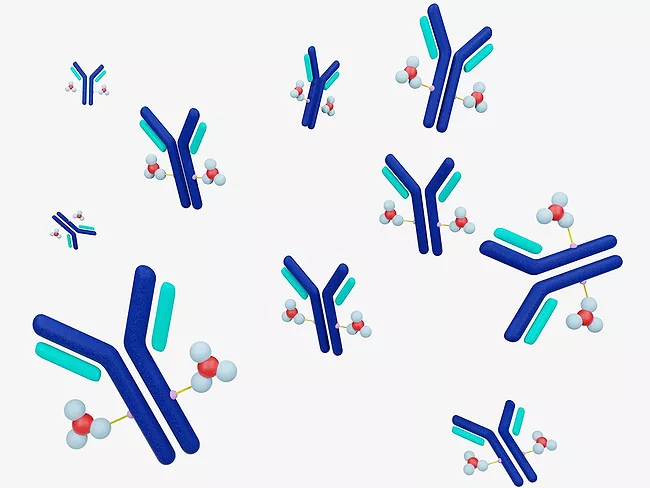
Minghui Pharmaceutical Ltd. announced it is raising $131 million in a pre-IPO financing round Aug. 7. The funds will be used to advance its cancer and inflammatory disease pipeline, which include a PD-1/VEGF bispecific antibody, antibody-drug conjugates (ADCs) and a topical Janus kinase inhibitor.
Precision medicine is becoming a reality in Asia Pacific as more targeted therapies are being developed that are tailored to individual patients, offering a potential cure for disease. But is Asia Pacific ready to harness this transformation, and if not, what are the hurdles that need to be cleared?
Syntara Ltd.’s stock plummeted 52% on news that the FDA recommended an additional phase IIb trial following a type C meeting about the company’s clinical development plan for lysyl oxidase inhibitor amsulostat (SNT-5505, formerly PXS-5505) in myelofibrosis.
With a packed pipeline of drug candidates targeting multiple markers of cancer, Bayer AG signed on for a new project, this time going after the KRAS pathway with a global deal that could bring Kumquat Biosciences Inc. up to $1.3 billion in payments.
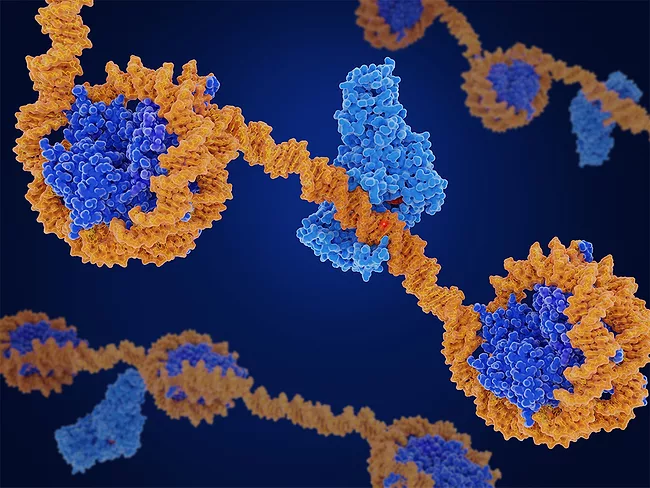
Experimental drugs that directly inhibit the NSD2 enzyme have shown potential as an effective strategy against hard-to-treat cancers, such as lung and pancreatic tumors driven by KRAS mutations. The therapeutic mechanism involves reversing a histone H3 methylation that promotes open chromatin and the expression of oncogenes.
Jiangsu Vcare Pharmatech Co. Ltd. has identified S-adenosylmethionine synthase isoform type-2 (Mat2A) inhibitors reported to be useful for the treatment of cancer.
Zhejiang University has synthesized isoquinoline derivatives reported to be useful for the treatment of cancer, infections, autoimmune disease, and cardiovascular, cerebrovascular and Inflammatory disorders.
LG Chem Ltd. has disclosed bromodomain-containing protein 4 (BD1 domain) (BRD4 BD1) and CREB-binding protein (CREBBP; CBP) inhibitors reported to be useful for the treatment of cancer, inflammatory disorders and autoimmune disease.
 RSS
RSS