The FDA has lifted a clinical hold on Carsgen Therapeutics Holdings Ltd.’s. CAR T products after issuing the company a warning letter following a December 2023 FDA inspection that found the company violated good manufacturing practices at its Research Triangle Park facility in Durham, N.C.
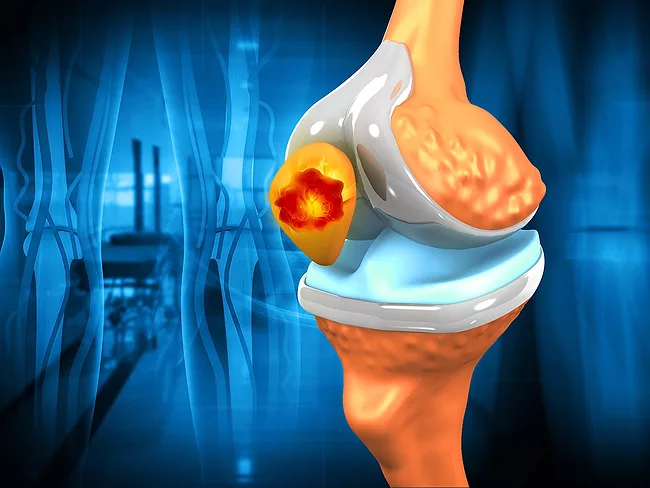
Abbisko Therapeutics Co. Ltd.’s colony-stimulating factor 1 receptor inhibitor, pimicotinib, met both primary and secondary endpoints in the phase III Maneuver global study evaluating pimicotinib for treatment of tenosynovial giant cell tumor.
Duality Biologics Ltd. presented preclinical data on DB-1419, a potentially first-in-class bispecific antibody-drug conjugate (ADC) consisting of a humanized antibody targeting B7-H3 and PD-L1 conjugated to a DNA topoisomerase I inhibitor under development for the treatment of cancer.
Aurigene Oncology Ltd. has described proteolysis targeting chimeras (PROTACs) comprising an E3 ubiquitin ligase binding moiety coupled to a probable global transcription activator SNF2L2 (SMARCA2; BAF190B; SNF2-α) and/or transcription activator BRG1 (SMARCA4; BAF190A; SNF2-β) targeting moiety via a linker acting as SMARCA2 and/or SMARCA4 degradation inducers reported to be useful for the treatment of cancer.
Beijing Double-Crane Runchuang Technology Co. Ltd. has disclosed protein arginine N-methyltransferase 5 (PRMT5) inhibitors reported to be useful for the treatment of cancer.
Gain-of-function mutations and overexpression of the EZH2 gene lead to H3K27Me3 accumulation, which in turn initiates tumorigenesis and tumor progression, thus making it a promising target for therapy.
Activin receptor-like kinase 5 (ALK5) is a member of the transforming growth factor-β (TGF-β) family associated with tumor development and progression that impacts cancer immune response within the tumor microenvironment.
Researchers from Canwell Biotech Ltd. presented preclinical data for CAN-2109, a novel long-acting immunogenic cell death inducer being developed for the treatment of cancer.
The use of interleukin-2 (IL-2)-directed therapies has been associated with systemic toxicities, regulatory T cell (Treg) activation and limited efficacy so far. Researchers from Regeneron Pharmaceuticals Inc. have described REGN-10597 (PD1-IL2Ra-IL2), a programmed cell death protein 1 (PD-1)-targeted, receptor-masked IL-2 immunocytokine.
Astellas Pharma Inc. presented the first preclinical data on ASP-1002, a bispecific antibody targeting claudin-4 (CLDN4) and CD137, for the treatment of patients with metastatic or locally advanced solid tumors.

 RSS
RSS